


SweetloreEncyclopedia of World Sweets (834)

Debesmanna
Debesmanna
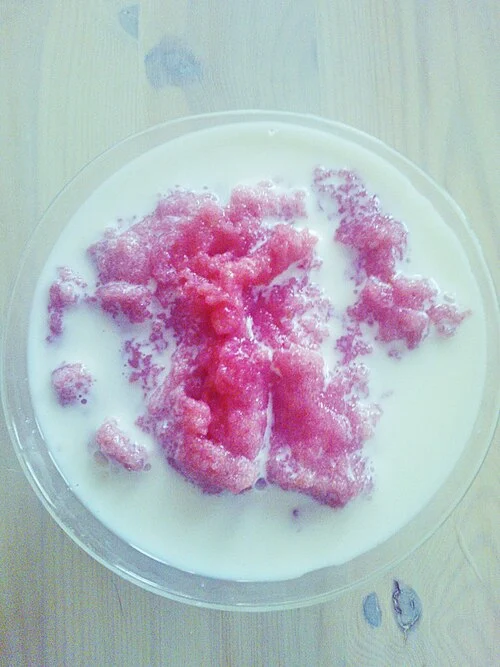
Pale cranberry foam floating on cold milk
Desserts / Latvia

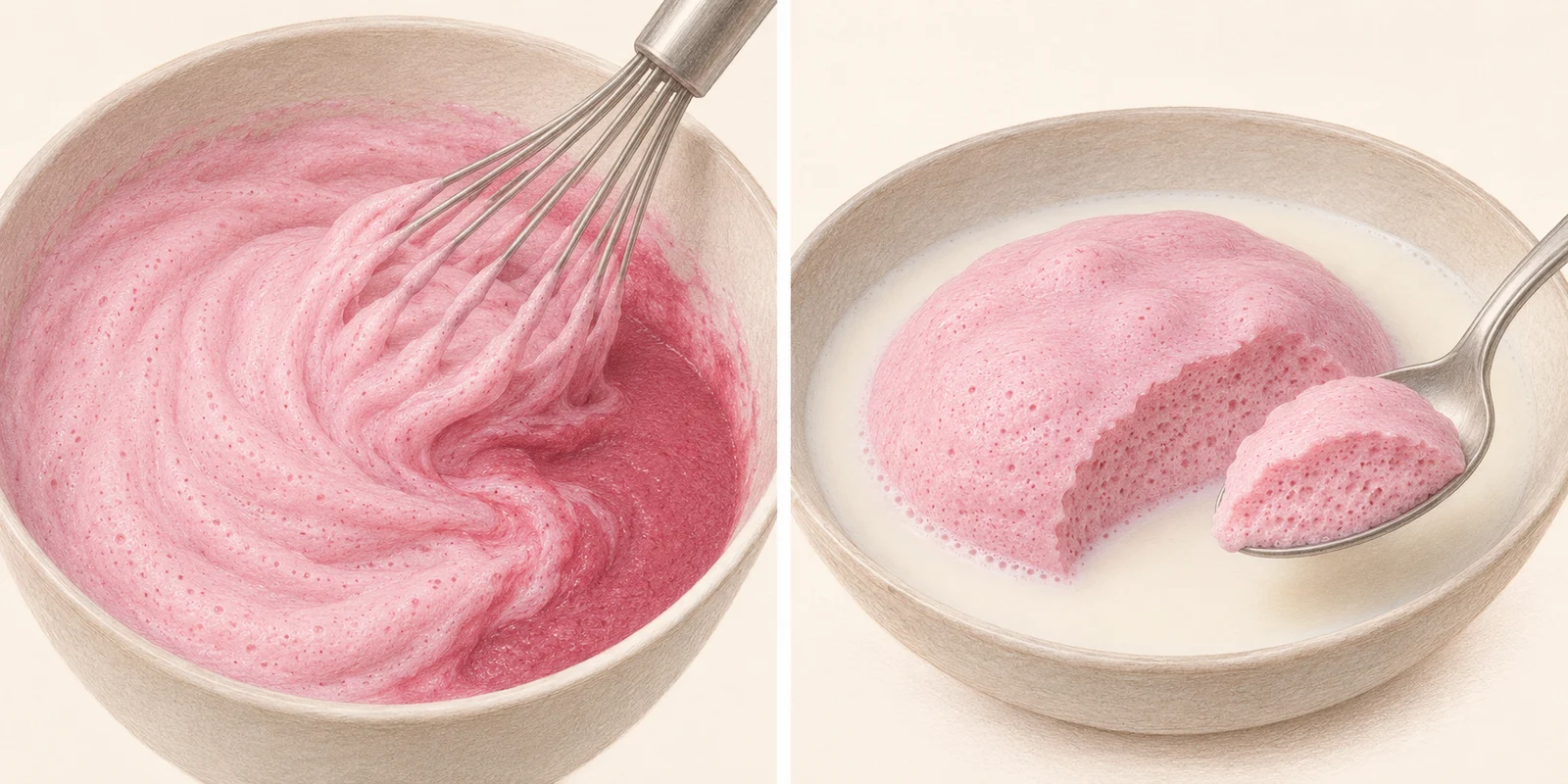
Bring a spoon close to cold milk in a deep dish and let a pale pink foam drop in. Floating on the milk with soft contours is Latvia’s debesmanna (Debesmanna). In the mouth, the tartness of the fruit and the mellowness of the milk spread together. In the classic cranberry version, the foam is made from wheat semolina cooked in the fruit juice. What was a deep red porridge in the pot turns whitish and increases in volume when it is whipped while cooling or after it has cooled. The rural tourism association’s food culture guide gives, as the sign that it is finished, a foam whipped well enough to float lightly on milk.
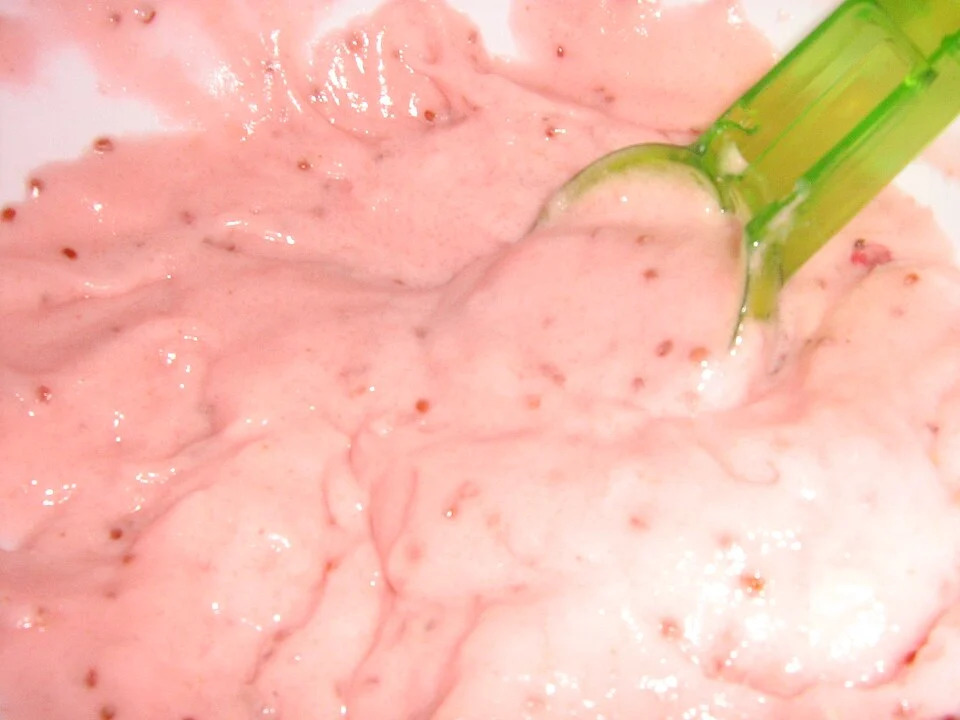
Porridge in the Pot, a Change of Color Under the Whisk
In the cooking magazine Pie Galda!, washed cranberries are covered with slightly warm water, crushed, and passed through a sieve. The rest of the water and the sugar go into a pot, and semolina is stirred into the boiling liquid. Without pausing the stirring, it is cooked over low heat for about 5 minutes. The wheat grains absorb the liquid and thicken until the porridge clings to the spoon. Because the fruit is broken down and the skins are removed first, the cooking liquid already carries the fruit’s color and flavor, and coarse skins are less likely to be felt in the mouth when the porridge is whipped.
A study comparing the steps in traditional dishes crushes the cranberries, simmers them in water for about 5 minutes, strains out the skins, and returns the liquid to the pot. Sugar is added, semolina is put in gradually, and the mixture is cooked for about another 5 minutes. The example gives 500 g of cranberries and 200 g of semolina to 1 L of water, with a note that the quantities should be adjusted to the nature of the grain. Adding the semolina gradually allows stirring to continue while the grains absorb water and turn into porridge. Whether the fruit is simmered first, as in the comparative study, or crushed with lukewarm water, as in the cooking magazine, also changes the extra step of returning the strained liquid to the pot. Another proportion, from the food outlet Santa, is 200 g of cranberries and 70 g of semolina to 500 g of water. Even with the same fruit, the ratio of water to grain varies, and before whipping begins the cook checks that the mixture has become a porridge that clings to the spoon.
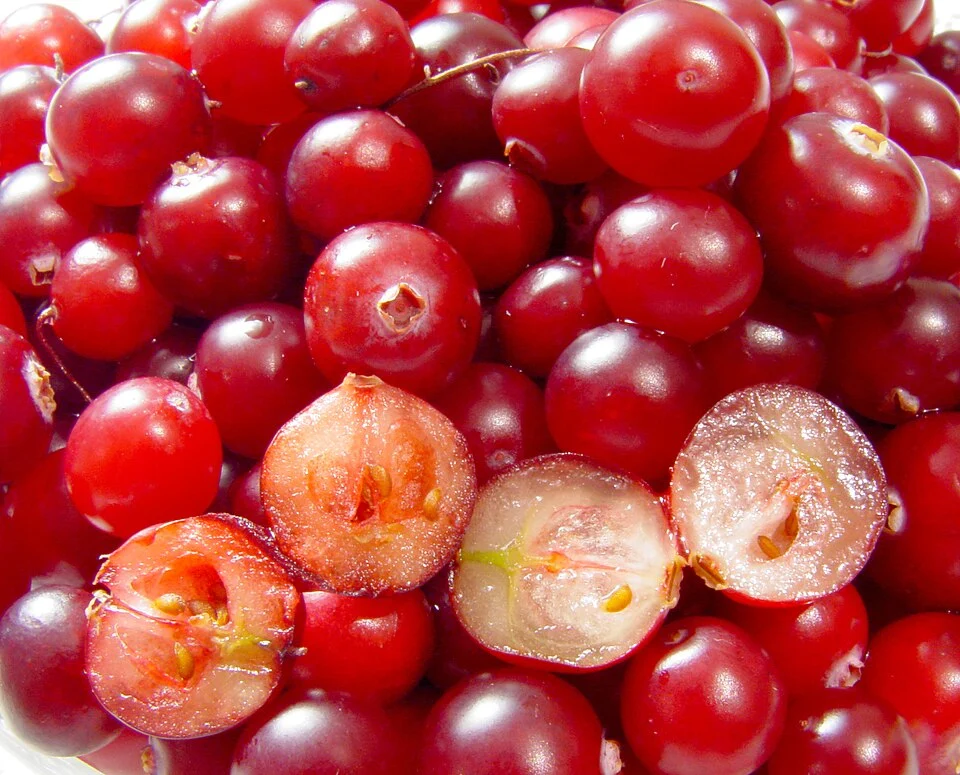
In Pie Galda!, the porridge is cooled to about 30 °C. When time is short, the pot is set in cold water, mixing begins with a mixer on low speed, and the speed is raised as the state of the porridge allows. In another example, from Santa, the container is left in cold water and the porridge is whipped until it grows in volume, brightens in color, and is cold. Whether cooling comes first or takes place partway through the work differs, and the cook judges the result by color, volume, and the texture of the foam.
In the comparative study’s example, the mixer is run and stopped once the porridge has turned pale and increased in volume by about 2 to 3 times. If you plan to transfer the liquid from the pot into a bowl of the same size, there is not enough room to support the foam. The pale color is not the result of changing the fruit that is cooked; it is how the same red porridge looks once it has taken in air. When a mouthful floating on milk is broken with a spoon and scooped up, milk flows into the soft foam that contains the fruit. Between the porridge when the grains were cooked with heat and the porridge after air has been worked in, even the shape of the surface the spoon touches changes.
Cookbooks That Echo the Name "Heavenly Food"
Astra Spalvēna, who studies food culture at the Latvian National Encyclopedia, links the name to the German Himmelspeise, that is, "heavenly food." Manna is a food that appears in the Bible, and in Latvian the word also refers to fine wheat grains that look similar. In the German-speaking Baltic region there was a sweet called Himmelspeise, and she writes that the German terms include Griessschaum, meaning semolina foam. The name of a wheat grain and the name of a sweet made light enough to float on milk meet in a single dish.
Old Baltic German cookbooks contain forerunners in which fruit puree is whipped with egg white or semolina. Under names such as Apfelschnee ("apple snow") and Rote Mannaspeise ("red semolina dish"), there were also other sweets in which fruit and egg white were whipped and then put in the oven. The typical modern debesmanna is a porridge of semolina cooked in fruit juice, whipped, and served with cold milk. Set beside the older sweets, it shows three contrasts: egg white supporting the foam in some, a porridge of cooked grains holding air in others, and heat applied either before or after whipping.
According to the same encyclopedia, the link between sweets made with cranberries and the name debesmanna took shape in the early 20th century. In Latvian-language cookbooks from the 1920s onward there was a tendency to group sweets made by whipping juice or puree under the name uzputenis, and by the 1930s, she writes, the term had become established. What was added to make the foam varied, and included egg white, wheat semolina, and rye flour. While publications within Latvia kept using uzputenis, the publications of Latvians who had moved abroad continued to use debesmanna. Some modern books use debesmanna only for the cranberry version and call versions with other fruit uzputenis, and some food outlets use both names for the same sweet.
Tools also bear on the choice of ingredients. Some recipes from the era of whipping by hand with a spoon or a twig implement say to keep going for at least an hour. The whisk eased the work, and in time machines could do the whipping. Older cookbooks sometimes added gelatin to make up for a lack of firmness, but in the late-1930s books Spalvēna examined, that instruction no longer appears. In today’s versions made with a household mixer, air is worked into the cooked semolina porridge so that it holds its shape.
When the Fruit Is in Season, and the Form It Takes in the Pot
The fruits found in interwar cookbooks include cranberries, apples, rhubarb, currants, and strawberries, and versions using dried apples or jam also became more common. In thrifty cookbooks from the Second World War, there are simple methods that combine locally available berries with flour or semolina and are eaten with milk. The combination of tart berries, semolina, and milk, which survives even in tourist guides, was handed down so that whatever fruit had been gathered or preserved food already on hand could be used.
Spalvēna contrasts the use in older versions of ingredients that had to be imported, such as lemon and almonds, with the interwar choice of local fruit and preserves such as marmalade. The simple form served with milk was the mainstream in cookbooks and periodicals until the end of the 20th century, and there were also versions with rhubarb or carrots. The way a sweet once served on holidays came to appear at the end of ordinary meals parallels the way the dish kept its form while the type of fruit changed.
Pie Galda! lists strawberries, blackcurrants, currants, gooseberries, cherries, and raspberries as summer examples. Autumn plums and apples are cooked first, and in winter the porridge can also be made with frozen berries, syrup, or jam. How the tartness of the cranberry comes through varies with the amounts of sugar and water, but with jam, the preserved fruit is dissolved in water and used as the cooking liquid in place of extracted juice. If the color or tartness of the foam changes, so does a mouthful that includes the surrounding milk. Some versions are served with cream or vanilla sauce.
The dairy company Valio’s example for Latvia crushes strawberry pulp with vanilla and adds water and sugar. The proportions are 300 g of strawberries and 150 g of semolina to 1 L of water, and, unlike the cooking magazine’s cranberry version, there is no step of straining out skins. The semolina is added to the liquid containing the pulp and stirred over low heat for about 7 to 8 minutes, and the heat is turned off once the whole has thickened. After cooling, the porridge is whipped for about 5 minutes, and cold milk is poured in at the table. Even after the cold milk is added, the aroma of strawberry and vanilla remains in the foam. The dairy’s version also gives a guide for whipping: whether the whisk is moved by hand or an electric mixer is used, it continues until air has gone into the porridge and made it light.
Compared with buberts, another Latvian semolina sweet, the roles of the pot and the plate are reversed. In the comparative study’s version, semolina is cooked in milk, egg yolk mixed with sugar is added, and whipped egg white is folded in. When strawberry sauce is poured over the cooled, pale mixture, the color of the fruit is on the outside. In cranberry debesmanna, what the grains are first cooked in is the juice, and the cold milk in the dish surrounds the pink foam. Both are cold sweets, but the positions of the fruit and the milk that the spoon touches first are different.
Across the Sea, Foam Also Floats on Milk
One Estonian example of mannavaht dilutes 200 ml of concentrated cranberry juice with 700 ml of water, adds semolina, and simmers it over low heat for about 10 to 15 minutes. The porridge is taken off the heat while still slightly liquid, cooled a little and whipped, and served with cold milk and berries. A collection of menus for children from the country’s National Institute for Health Development also includes a version in which semolina and kama (a grain flour) are cooked in apple juice and water. After the porridge is quickly chilled and whipped, cranberries are mixed in, cinnamon is sprinkled over it, and milk is served alongside. In the former, the juice runs through the whole foam; in the latter, a spoonful can take up the apple-juice foam together with the berries.
Lingonberries are often used in Finland’s vispipuuro. In a version from the home economics organization Martat, semolina is cooked in water for about 15 minutes, and crushed lingonberries are added to the slightly cooled porridge. Compared with cooking in juice, as in Latvia’s Pie Galda!, adding the fruit afterward changes how long it is heated and whether pulp remains in the porridge. The porridge is then chilled further before being mixed with a mixer.
In a traditional recipe collection from South Ostrobothnia in Finland, one finds that even within the same country there is a version in which lingonberries are first simmered, the skins are strained out, and the grains are put into the hot liquid. The porridge, cooked over low heat for 30 minutes to 1 hour, is chilled and whipped. It is also written that in winter the pot can be set in the snow to cool. Like the cold water introduced by the Latvian cooking magazine, it is a way of letting the heat of the pot escape from the outside in preparation for whipping.
A collection of linguistic studies from Daugavpils University discusses a scene in a work of Latvian literature in which milk and debesmanna are eaten at supper. In the Lithuanian translation, a term that makes clear it is a cranberry foam was used for the original word derived from "heavenly food." Even readers who do not know the connotations of the original name can, from that translation, picture a pale foam containing tart fruit and cold milk poured into a supper bowl.
Glossary
- Semolina (manna, mannas putraimi)
- Wheat ground into granules. In this sweet it is cooked with fruit juice to thicken it.
- Uzputenis (uzputenis)
- A name used in Latvian cookbooks for desserts of whipped fruit and similar ingredients, in a broad sense.
- Vispipuuro (vispipuuro)
- A Finnish whipped porridge. Some versions use semolina and lingonberries.


