DRUG

パレード伏見洋菓子店

SweetloreEncyclopedia of World Sweets (834)

SWEETS&CAKES

Hermit Cookies

Hermit cookies

Round hermits and bar hermits, with raisins and spices baked in

Baked Sweets / United States, New England

Two cut pieces of Hermit Cookies with rounded, light brown tops and brown cut faces; the front piece shows a few dark purple flecks.

Hermit cookies are a confection long popular in New England, in the United States. They are made by mixing dried fruit, such as raisins, and spices into the dough before baking. In the version in which molasses-enriched dough is baked as logs and then sliced, the fruit shows as flecks through a chewy interior. The shape varies even under the same name: the dough may be cut into rounds, dropped by the spoonful onto a baking sheet, or baked as a slab and then cut. Nineteenth-century cookbooks also include versions made with sugar and butter, without molasses.

Dropped by the Spoonful, Cut from a Slab

In the August 1952 issue of Yankee, a New England regional magazine, Ida L. Wilbur of Franklin, Maine, won first prize in a contest with a recipe she called “Great Grandma’s Harmony Hermits.” A later article in the magazine lists brown sugar, raisins, currants, cinnamon and nutmeg. The dough is not rolled out; it is dropped onto the baking sheet one cookie at a time.

With cut cookies, the diameter is decided first. With dropped cookies, keeping each scoop the same size makes the baking more even from one cookie to the next.

The editor Aimee Tucker tested the 1952 recipe with the shortening replaced by butter and the small amount of buttermilk replaced by milk. In her test, the edges were slightly crisp, and the center was dense and chewy.

This describes the texture of the cookie after those substitutions. A test of the 1902 recipe presented by the Richmond archives tasted of buttermilk. So even when cookies are made by the same drop-and-bake method, descriptions of the result differ with the milk, fat and flavorings used.

The Daily Herald of Prince Albert, Saskatchewan, for October 23, 1954, printed “Date Flake Hermits,” made with dates, nuts and bran flakes. They are sweetened with brown sugar, flavored with vanilla and almond, and dropped onto the baking sheet one cookie at a time. The article explains that the cereal gives them a crisp bite.

The recipe is similar in method and shaping to the 1952 Maine recipe, but the filling is chopped dates and nuts rather than two kinds of dried grapes. Cookies of the same name from the 1950s show attempts at a different chew.

“Soft Spicy Hermits,” taken from the 1969 Boston Globe’s Cook Book by a regional culinary history source, gives instructions for baking the same dough in two shapes. The dough can be dropped onto a baking sheet by the teaspoon and flattened with a spatula dipped in milk, or it can be spread over the baking sheet, baked and cut into rectangles while still warm.

The recipe uses sugar, fat, molasses, soured milk and spices, and the dried fruit is raisins, dates or both. In this example, the dough ingredients are the same for either shape. What changes is whether the dough is divided into individual cookies before or after baking.

Yankee’s modern bar version creams butter and brown sugar, then adds molasses, eggs, spices such as cinnamon and ginger, and raisins. The chilled dough is divided in two, each half shaped into a log about 30 cm (12 in.) long, and the tops are pressed lightly before baking. The logs bake at about 191°C (375°F) for around 15 minutes, until the edges are just beginning to firm.

While still slightly warm, the logs are drizzled with a thin glaze of confectioners’ sugar and milk and cut once the glaze has set. Each piece then holds side by side the faces that were inside the log until cutting and the long edges that baked directly against the oven.
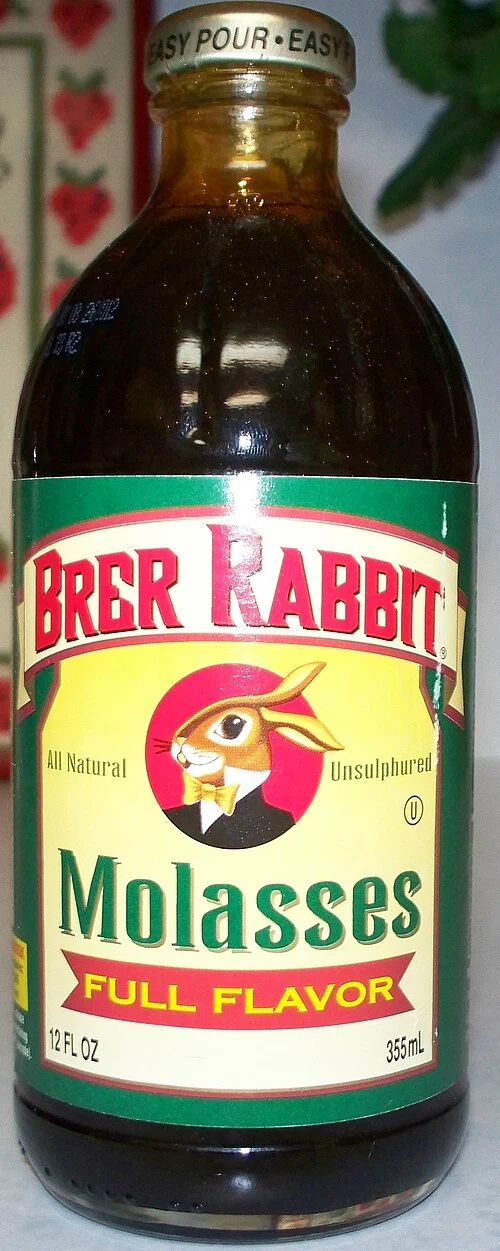
A jar of commercial molasses
An example of commercial molasses. The photo shows an ingredient used in molasses-based recipes and is not necessarily the product used in the recipe described in the text. Photo: Surv1v4l1st/Original source/パブリックドメイン。Commonsの縮小版。

In Susan Reid’s recipe for King Arthur Baking, the whole batch of dough is spread in a shallow square pan and baked. The spices paired with the molasses are allspice and cinnamon. It is taken out of the oven when the top has puffed and turned glossy and the edges are light brown.

She explains that as the bars cool in the pan the rise settles back, leaving a dense, fudge-like texture in the center. Yankee’s recipe, which makes two long logs, and Reid’s, which spreads the dough in a pan as a single slab, give pieces with different proportions of edge when cut.

Nineteenth-Century Versions Rolled and Cut into Rounds

“Hermits” in Maria Parloa’s Miss Parloa’s New Cook Book combines sugar, butter, eggs and flour with seeded, chopped raisins and spices. It uses one nutmeg, along with cloves and cinnamon, and the baking soda is dissolved in a little milk.

The recipe directs the cook to roll the dough to about 6 mm (¼ in.), cut it with a round cutter and bake it for about 12 minutes in a fairly hot oven. The thickness is set when the dough is rolled, and each cookie is already round when it goes onto the baking sheet. The chopped fruit and spices are mixed into the dough before it is divided into individual cookies.
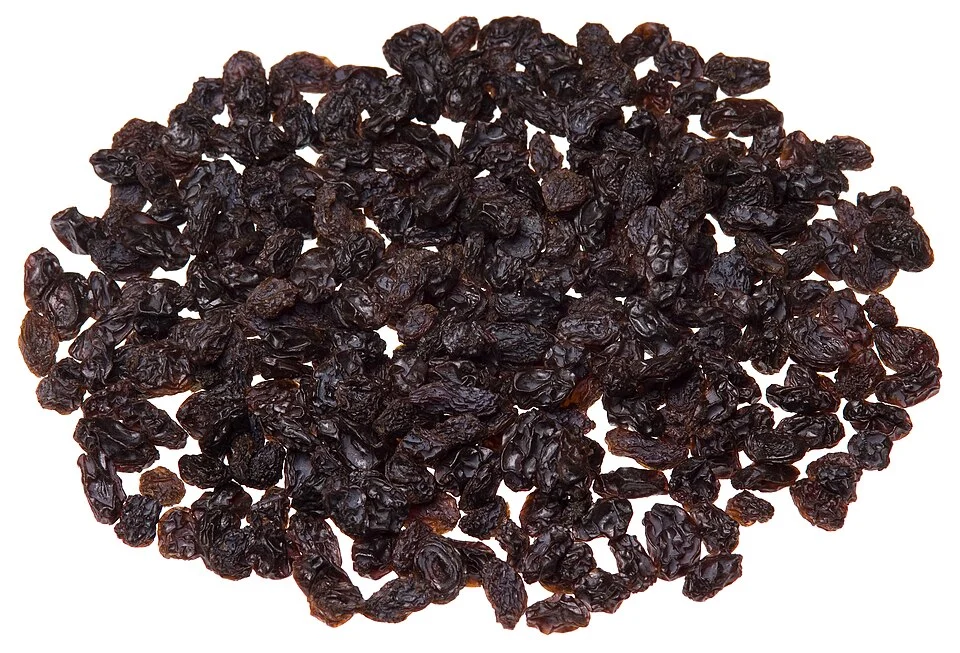
A photograph of dried grapes gathered together as raisins
An example of raisins. Parloa mixed seeded, chopped raisins into her dough. This photo does not show the fruit used in the recipe of any particular cookbook. Photo: Evan-Amos/Original source/CC0 1.0.

A regional culinary history source also reports that The Champlain Valley Book of Recipes, published in 1880 by Trinity Church in Plattsburgh, New York, includes “Hermits.” The place and year of publication can also be confirmed in the record of the digitized book.

The Plattsburgh recipe described by the regional source includes currants, a small dried fruit. The recipe given by Parloa uses chopped raisins.

Neither lists molasses as a sweetener. The New York church collection and the Boston cookbook date from close to one another, but that sequence does not allow either to be named as the place of origin.

Fannie Merritt Farmer’s 1896 cookbook, from Boston, also uses the heading “Hermits.” In addition to the cinnamon, cloves and nutmeg in Parloa’s recipe, Farmer’s recipe uses mace. Mace is a spice taken from the covering that surrounds the nutmeg seed.
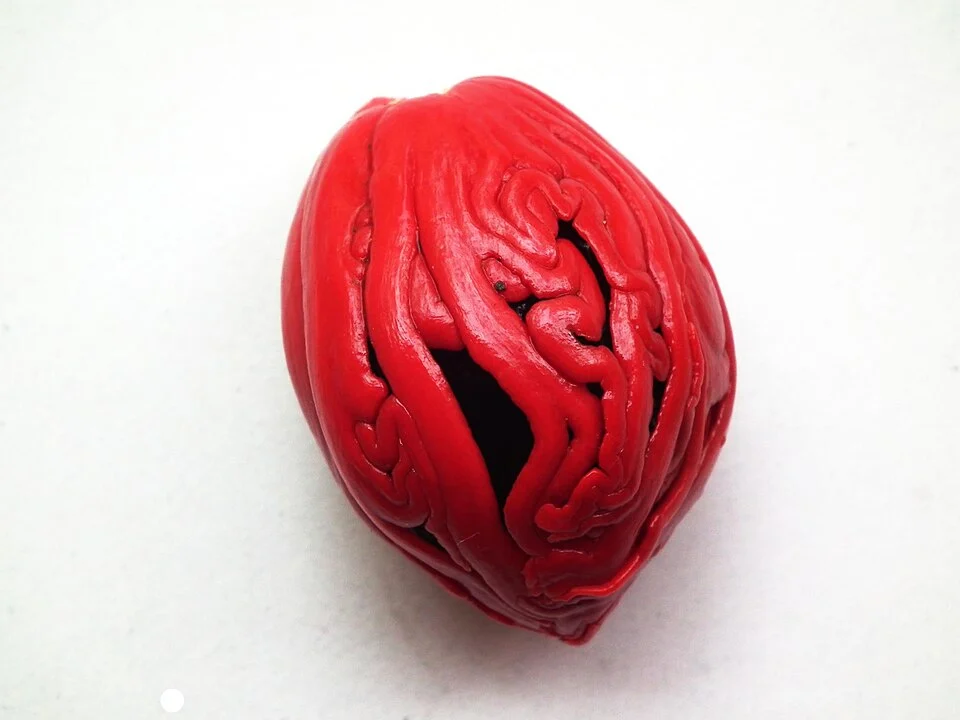
A photograph of the red mace that covers a nutmeg seed
The red mace that covers the seed. A stock photo showing the part that is dried and used as a spice; it was not used for the recipe in the text. Photo: Ramesh NG/Original source/CC BY-SA 2.0.

Farmer’s book also includes “Boston Cookies,” which likewise use dried fruit but add nuts and limit the flavoring to cinnamon. Checking the names that the cooks gave their recipes, and then comparing their choices of fruit and spice, shows how the texture and flavor of similar cookies differ.
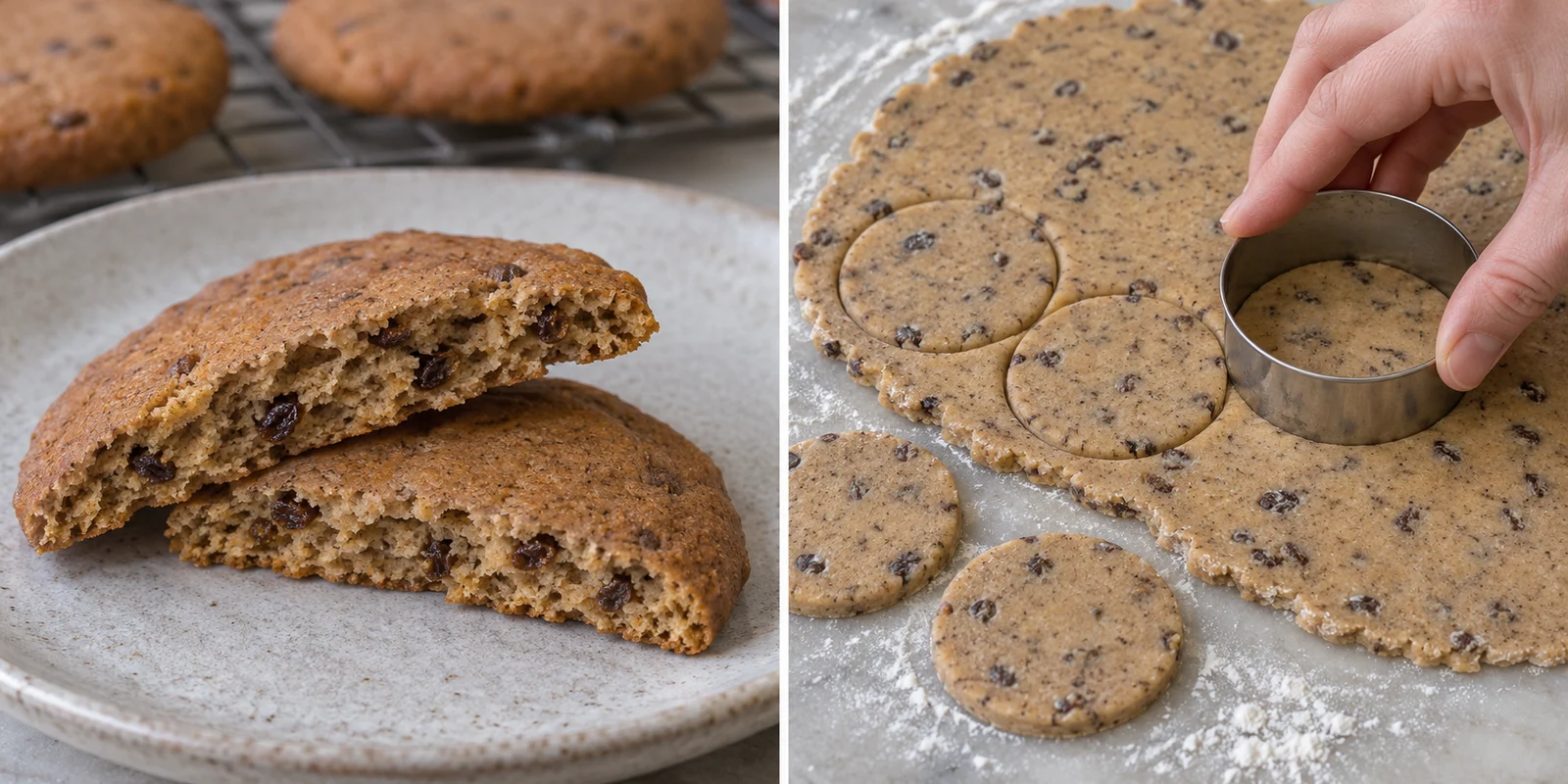
Reconstructed image (AI-generated). Left: a cross-section of a round hermit showing chopped raisins. Right: dough containing raisins being rolled out and cut into rounds.
Reconstructed image (AI-generated). Left: a cross-section of a cookie with chopped raisins mixed in. Right: the step of rolling the dough thin and cutting it into rounds. Based on the nineteenth-century recipe of Maria Parloa. Recipe from Miss Parloa’s New Cook Bookを参照。

Canadian Cookbooks and Family Recipes

The City of Richmond Archives in Richmond, British Columbia, has presented “Hermits” from the 1902 Woman’s Favorite Cook Book, which was handed down in the London family. Priscilla Huang, a baker with the Friends of the Archives, made them as drop cookies. She reported that they were not too sweet and that the buttermilk flavor carried a faint scent of nutmeg.

This is a case in which both the ownership of the book and the texture of a later trial are recorded. It is not known when or how often this family made the cookies, but a name seen in American cookbooks also survives in a book held by a farm family in western Canada.

The 1918 Canadian Aunt Hanna’s Cook Book prints two “Hermit Cookies” one after the other. M. Thompson’s recipe combines sugar, butter, eggs, chopped raisins and baking powder with enough flour to roll out.

In A. B. Reid’s recipe, raisins, eggs and milk are added to the fat and sugar mixture, and flour and a leavening agent are sifted in. It uses cinnamon, cloves, mace and nutmeg, and the dough is rolled thin on a floured board and cut with a small round cutter. On the same page, one recipe does not list its spices, while the other specifies four.

Next to them in the same 1918 collection, bran cookies and wartime cakes made with molasses appear under separate headings. Neither of the two “Hermit Cookies” mentions molasses.

That molasses was an ingredient in this book is a separate matter from whether the book’s hermits used it. It is an easily overlooked difference when old recipes are read back from today’s molasses-based logs. In Parloa’s nineteenth-century book and the 1918 collection, what first stands out is the shared method of combining fruit and flour, rolling the dough out and then baking it.

University Dining Halls and the Origin of the Name

The College of the Holy Cross in Worcester, Massachusetts, has also published a hermit recipe that was popular in its campus dining hall. The recipe, scaled down from the quantity made for students, uses shortening, white sugar, eggs, molasses, milk, flour and raisins, and is flavored with cinnamon, ginger and allspice. The dough is rolled into individual balls, flattened by hand or with a rolling pin, and baked at about 163°C (325°F) for 10 to 12 minutes.

The university’s text introduces the confection as a bar cookie, but the shaping in the recipe it publishes is cookie by cookie. Before deciding on a shape from the name, it is necessary to read how the recipe shapes the dough.

Art Colandanis, the college’s former dining services director, recalls that when he arrived in 1984, people around him told him not to alter the recipe because students and staff liked it. No record shows who created the college’s recipe; the account names Phil Shea, his predecessor, who also led the bakery, as a possible candidate.

What can be confirmed here is the recollection of someone directly involved, that the cookie was already being eaten at least by the time he arrived, and the method the college later published. Alongside the cookies baked in regional homes and cookbooks, the name and recipe also survived in a college dining hall.

“Hermit” means a recluse. As to the confection’s name, the university’s article presents one theory that links it to the image of a brown robe and another that ties it to the cookie’s long keeping quality.

Reid’s recipe explains that the bars keep in an airtight tin and that the flavor of the spices blends in a day or two after baking. Yankee’s retrospective article notes that the cookies have been thought to be popular with sailors as well, but one long-keeping recipe cannot establish the occasion on which the name arose or the customs of sea voyages.

Parloa’s recipe, cut into rounds before baking, the Maine recipe of dropped dough, and the recipe baked as logs and cut after the glaze has set all share the mixing of fruit and flavorings into the dough. In the mouth, how far the baked exterior extends and where the dried fruit and spices emerge change from one piece to the next.

Twentieth-century Canadian newspapers also carried versions with crisp cereal, and some cooks making today’s square-pan version take a moist interior as their guide. The confection handed down as the hermit shows traces of changes in shaping and baking, even when the same spices and fruit are used.

Glossary

Molasses
The syrup left over from sugar making. In the bar recipes it adds sweetness and a deep color.
Currants
Here, small grapes that have been dried. Some recipes use them together with raisins.
Mace
A spice taken from the covering that surrounds the nutmeg seed. It appears in the older recipes of Farmer and Reid.
Drop cookies
Cookies made by scooping up the dough one cookie at a time and dropping it onto a baking sheet to bake. They appear in the 1952 Yankee recipe.
TOPHermit Cookies | Cafe & Sweets Parade Kyoto

(FAQ)

All You Need to Know

Do you have gluten-free sweets made without wheat flour?

Yes. We offer sweets made without wheat flour, such as madeleines made with rice flour. However, they are made in the same kitchen as products that use wheat flour. If you have a wheat allergy or need to strictly avoid wheat, please consult our staff before purchasing.

Do you use additives such as preservatives or emulsifiers?

We do not add preservatives or colorings when making our sweets.

Some of our baked goods (such as madeleines and chocolat) use baking powder to help the batter rise. In addition, ingredients we purchase, such as chocolate, may contain additives such as emulsifiers that help maintain their quality.

To see the ingredients we use, please check the ingredients listed on each product page.

When is the Seasonal Citrus and Lemon Curd Cake available?

This cake is sold on an irregular basis.
It is often available on Saturdays, Sundays and public holidays. We post updates on in-store availability as needed in our Instagram Reels, so please check there.

Do you sell fresh cakes on Wednesdays?

We do not currently sell fresh cakes on Wednesdays.
On Wednesdays, we mainly sell baked sweets and drinks.

*Many customers have asked about this, but no decision has been made yet about selling fresh cakes on Wednesdays.

Can I request noshi paper (noshi kakegami) for gifts, presents, and the like?

For gift boxes in sizes M and L, we offer inner noshi (uchi-noshi) only, at 100 yen (tax included) per sheet. Please specify the top inscription and name inscription, and place your request at least 3 days in advance. For same-day requests, please consult the shop.

Do you offer OEM (manufacturing of original products)?

We are currently accepting consultations on OEM requests, depending on their details.
To start, please contact us through the inquiry form with details such as your product concept, desired quantity, and sales purpose.

Where is the shop located?

Cafe & Sweets Parade Kyoto is in Uoya-cho, one street south of the Otesuji Shopping Street, a 4-minute walk from Keihan Fushimi-Momoyama Station and a 5-minute walk from Kintetsu Momoyama-Goryomae Station. Parade stands in an area full of history and charm. Nearby are Torisei, a sake and yakitori restaurant run by a long-established sake brewery; Teradaya, said to be the place where Sakamoto Ryoma was attacked; the Fushimi Jikkokubune, wooden boats that take you along the canal; and many other places.
For the exact location and other details of Cafe & Sweets Parade Kyoto, please check Google Maps↗︎.

What days is the shop open?

We are open every Wednesday through Sunday from 11:00 to 18:00 (last order 17:30). We are regularly closed on Mondays and Tuesdays.
On public holidays, we are open on some days and closed on others.
We may also close temporarily on irregular days, or open on regular closing days. For the latest information, please check Instagram↗︎ or Google Maps↗︎.

How can I place a large order?

Yes, we accept orders through this inquiry form.
Large orders are orders of 21 or more units, or orders with 10 or more delivery addresses.

Can you tell me about allergens in your products?

Whether a product uses egg, wheat flour, peanuts, walnuts, other nuts or dairy products is stated on the allergen list page and on each product’s page.

Peanuts (groundnuts) and walnuts are shown separately from “other nuts” such as almonds.

Points of caution other than the items above, such as sesame, gelatin and honey, are written in the “Notes” section of each product. However, not all allergens are listed. For assortments such as gift boxes, the ingredients of each sweet included are listed under [Ingredients] on the product page.

If you have any questions, please ask our in-store staff or call us (075-644-4118) before purchasing.

Do any of your products contain alcohol?

Yes. We mainly use liquor in the following sweets:

• Canelé de Bordeaux (rum)
• Galette Bretonne (with rum)
• Madeleine au Chocolat (with liqueur: Grand Marnier)

The Galette Bretonne and the Madeleine au Chocolat are also available in “without rum” and “without liqueur” versions, respectively, made without liquor.

▼Gift boxes
• Classic Baked Sweets Gift Box L [9 Varieties, 15 Pieces]: includes 2 Galettes Bretonnes (with rum)
• Classic Baked Sweets Gift Box M [9 Varieties, 9 Pieces]: includes 1 Madeleine au Chocolat (with liqueur)
• Gluten-Free Gift Box [S] and Gift Box [M] with Higuchi Apiary: contain no sweets made with liquor

Even in baked sweets, a small amount of alcohol may remain. Children, pregnant women, people sensitive to alcohol and anyone who will be driving should take care.

For seasonal products, please check the “Notes” section on the allergen list page.

Is there parking?

The shop does not have its own dedicated parking lot. If you are coming by car, please use one of the paid coin-operated parking lots nearby.
If you are coming by train, the shop is about a 4-minute walk from Fushimi-Momoyama Station on the Keihan Main Line and about a 5-minute walk from Momoyama-Goryomae Station on the Kintetsu Line.

Can I eat and drink in the shop?

Yes, you can enjoy your order in our in-store eat-in space. Seating consists of 5 counter seats and 4 terrace seats (2 tables for 2 people each). High-speed Wi-Fi is also available.
Takeout is available as well. Opening hours are 11:00–18:00 (last order 17:30).

Where can I check the day’s cake selection and sold-out items?

The fresh cakes we sell change from day to day. We post updates on in-store availability as needed on Instagram↗︎.
Items may sell out after a post. If you want to be sure to get something, please call us (075-644-4118).

Do the 2 types of lemon cake differ in how they should be stored and how long they keep?

Yes. The lemon cake with icing must be kept refrigerated and keeps until the end of the day of purchase. The lemon cake without icing can be stored at room temperature and keeps for approximately 7 days from the date of manufacture. Please prioritize the date shown on the label of the product you have.

How long do baked-goods gifts keep, and how should I store them?

As a guideline, baked-goods gifts keep for about 2 weeks from the date of manufacture. Please store them in a cool place, away from direct sunlight and high temperature and humidity. The exact date is printed on the back of each individual sweet.

What payment methods can I use in store?

▼In store
• Cash
• Credit cards: Visa, Mastercard, JCB, American Express, Diners Club, Discover
• Transit IC e-money: Suica, PASMO, ICOCA, Kitaca, TOICA, manaca, SUGOCA, nimoca, Hayakaken
• Other e-money: iD, QUICPay+
• Code payments: PayPay, Rakuten Pay, d Barai, au PAY, Merpay, WeChat Pay, Alipay+, and others

Apple Pay and Google Pay can be used if one of the e-money services or cards listed above is registered.

What kind of cream puff is the Oven-Baked Cream Puff?

It is our classic cream puff: a crisp cookie-crust choux generously filled with a rich cream that combines fresh cream with custard made using “Sakura” eggs from a purely Japanese chicken breed.
It must be kept refrigerated; please eat it on the day of purchase. We also offer a caramel-flavored version, the “Oven-Baked Caramel Cream Puff.”
For details, please see the Oven-Baked Cream Puff product page.

What Are Meringue Cookies?

Meringue cookies are sweets made by baking and drying meringue, which is egg white and sugar whipped together. At Parade, we use kibi sugar (Japanese cane sugar) and finish them with a light texture: a crisp first bite, then an airy, fizzy melt in your mouth.

What kind of sweet is a sablé diamant?

True to its name, which means “diamond” in French, this is a sablé coated with sugar that sparkles around the outside. For the sugar coating, we use vanilla sugar that we make by hand in our shop from vanilla bean pods.
It keeps for about 3 weeks. Please store it in a cool place, away from direct sunlight, high temperatures and humidity. It is also included in our baked goods gift boxes.
For details, please see the Sablé Diamant product page.

Is the Galette Bretonne available both with and without rum?

Yes. It is available both with rum and without rum. The individually sold Galette Bretonne contains rum. The rum-free version is included in our gift boxes. Please contact the store to ask whether it can be purchased individually.

What kind of sweet is a Linzer torte?

The Linzer torte is a sweet associated with Linz, Austria, combining a nut pastry with jam. At Parade, we layer a cinnamon-scented pastry, almond batter and our house-made framboise (raspberry) jam, and bake them together.

What baked goods can I choose as a gift (temiyage) from Fushimi?

We offer Gifts M and L, assortments of our classic baked goods; Gift S, with sweets made with rice flour; and a gift that includes honey from Kyoto Higuchi Apiary. You can choose based on the number of pieces, the ingredients, and the recipient’s preferences. As a guideline, the baked goods keep for about 2 weeks from the date of manufacture.

How do the gift boxes differ by type?

They differ in the types and number of sweets they contain.
・Classic Baked Goods Gift Box M [9 types, 9 items]: 2 types of sablé (12 pieces each), Galette Bretonne, 3 types of madeleine, financier, Sésame Matcha, Boule de Neige Chocolat
・Classic Baked Goods Gift Box L [9 types, 15 items]: 2 types of sablé (12 pieces each), Galette Bretonne (2 each without rum and with rum), Honey Madeleine, Madeleine Chocolat (without liqueur), financier, Sésame Matcha, Boule de Neige Chocolat
・[Gluten-Free] Gift Box [S]: 4 Honey Madeleines, 2 Madeleine Chocolat (without liqueur), 2 Sésame Matcha, 2 Boule de Neige Chocolat
・Gift Box [M] with Higuchi Bee Farm: 8 classic baked goods in 7 types, plus Wildflower Honey (160 g) from Kyoto Higuchi Bee Farm
The sweets made with liquor are the Galette Bretonne (with rum) in the L box and the Madeleine Chocolat (with liqueur) in the M box. For full details, please see the list of gift boxes.

What kinds of honey, eggs and chocolate do you use?

The ingredients we use vary by product. Our main ingredients are as follows.
• Honey: Purely Japanese honey from Higuchi Apiary in Fushimi, Kyoto (Honey Madeleine, Caramelized Honey Canelé, etc.)
• Eggs: “Sakura” eggs from purely Japanese-bred hens (Oven-Baked Cream Puff, Canelé de Bordeaux, Honey Madeleine, etc.)
• Chocolate: Chocolate from Valrhona of France (Madeleine Chocolat, etc.)
• Butter: Cultured butter (Brown Butter Financier, Galette Bretonne, etc.)
Please check each product page for that product’s ingredients.

Is there an ideal temperature or way to warm the sweets so they taste their best?

Depending on the product, there are recommended ways to enjoy it.
• Canelé de Bordeaux: Warming it for 3–5 minutes in a toaster oven that has not been preheated makes the caramel on the surface crisp, giving it a texture close to freshly baked.
• Brown Butter Financier: Warming it in a toaster oven for about 1–2 minutes gives it a texture and aroma close to freshly baked.
• Linzer Torte: The ideal serving temperature is 5–20°C.
• Lemon Cake (with icing): We recommend letting it sit at room temperature for a little while to enjoy the fluffy texture of the cake, or, in summer, enjoying it chilled straight from the refrigerator.
Toaster ovens heat differently depending on the model, so please keep an eye on the sweets while warming them to avoid burning.

How many people do Size 4, Size 5 and Size 6 whole cakes serve?

Parade’s “Decoration Cake with Fresh Cream and Seasonal Fruit” serves approximately 3–4 people in Size 4, 4–6 people in Size 5 and 6–7 people in Size 6. Please choose a size based on how much will be eaten and whether it will be served together with other sweets.

How long can I carry a cake? Do I need ice packs or an insulated bag?

Please plan on carrying it for about 1 hour. Conditions vary depending on the temperature, the type of cake and how you travel, so if you are planning a long journey, please consult the shop before purchase.

Can I have a message plate or candles added to a birthday cake?

The “Decoration Cake with Fresh Cream and Seasonal Fruit” comes with an original cookie plate and 1 set of 5 candles. A charge applies to candles from the 2nd set onward.

Are the sweets for sharing at work individually wrapped? How many people can a gift serve?

The Classic Baked Goods Gift is an assortment of sweets packed in individual bags. Note, however, that “9 items” does not mean 9 pieces: some items, such as the sablés, contain several pieces in one bag. Please think separately about how many people you are giving to and how many bags you want to give each person.

What is the difference between a financier and a madeleine?

Generally, a financier is characterized by the flavors of egg whites, almonds, and browned butter, while a madeleine is typically based on a batter made with whole eggs. At Cafe & Sweets Parade Kyoto, we offer the Brown Butter Financier and a madeleine made with rice flour and honey.

Do canelés taste better warmed? How do you recommend eating them?

If you warm Parade’s Canelé de Bordeaux for about 3 to 5 minutes in a toaster oven that has not been preheated, the caramel on the surface becomes crisp, and you can enjoy a texture and aroma close to freshly baked. Because heating varies by model, please keep an eye on it while it warms.

Can cakes and baked goods be frozen?

Because ingredients and finishing differ from product to product, we do not state that all cakes and baked goods can be frozen under the same conditions. Please first check each product’s storage instructions and date label. If you plan to freeze a product, please consult the shop before purchasing and tell us the product name.

What is the difference between sablés, cookies and galettes?

“Cookie” is a name for a wide range of baked goods. “Sablé” is used as a name describing a texture that crumbles softly like sand, and “galette” is used for sweets with a flat shape, among other things. Parade’s Galette Bretonne is a thick-baked cookie made with butter.

Can I get paper bags, small bags for sharing or gift wrapping?

In store, paper bags, plastic bags, bags for baked goods and gift wrapping are available for a fee. Prices vary by type and size. Please let us know how many you need and any wrapping requests before purchase.

News Letter

We send the latest news from Cafe & Sweets Parade Kyoto and money-saving coupons exclusive to our followers. Add us as a friend on LINE. Something good should come your way.

* We usually send notices of sales launches on Sunday mornings.
* Depending on the content, messages may be sent only to certain segments of subscribers.

Thank you for signing up!
We hope you look forward
to our next email.

Access

Cafe & Sweets Parade Kyoto

〒612-8041

Heights Momoyama No. 105, 574 Uoya-cho, Fushimi-ku, Kyoto-shi, Kyoto

* If you are coming by car, please use a nearby parking lot.

VIEW MORE GOOGLE MAP