


SweetloreEncyclopedia of World Sweets (834)

Joe Froggers
Joe Froggers
A round cookie of molasses and spices, and the memory of a shop in Marblehead
Baked Sweets / United States · Marblehead, Massachusetts

Joe Froggers are round New England cookies from the United States that layer the deep sweetness of molasses with the aromas of ginger, cloves, and other spices. Some recipes bake them so that the edges hold their shape while the center stays soft. In Marblehead, Massachusetts, they are associated with the shop of Lucretia Thomas Brown and Joseph Brown. Under the same name, ingredients and shaping methods vary, from a recipe with salt water printed in a 1952 newspaper to modern versions that add dark rum.
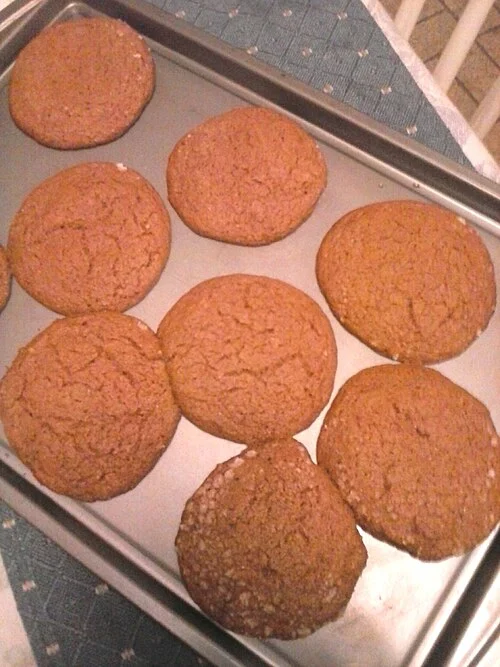
Mixing in Molasses and Leaving the Center Soft
In the recipe made by chef Albert Lukas at the Sweet Home Café of the National Museum of African American History and Culture, molasses, water, and dark rum are briefly simmered in a pot and then cooled. The flour is combined with salt, baking soda, ginger, cloves, allspice, and nutmeg. Separately, butter and sugar are beaten until fluffy, and the cooled molasses liquid is added, followed by the flour. No eggs are used, and the deep color of the molasses spreads throughout the dough.
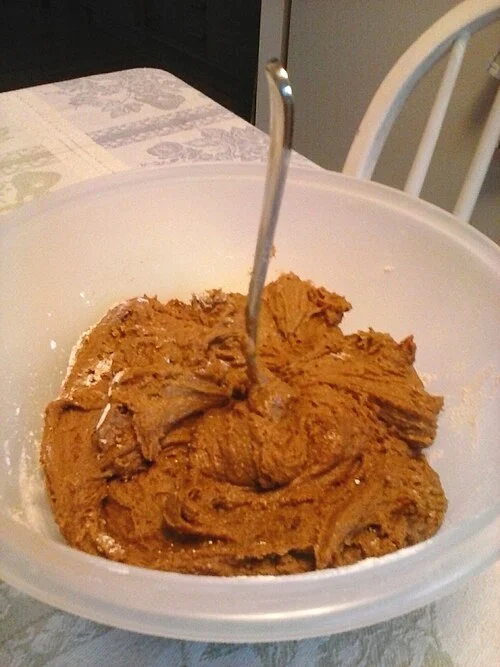
After chilling overnight, the dough is rolled out and cut into rounds on paper sprinkled with sugar. The baking sheets go into a 375°F (about 191°C) oven one at a time and are turned front to back partway through. The cookies come out after about 10 minutes, when the edges have set but the center still looks soft. The molasses worked into the dough and the sugar on the surface are both sweeteners, but they sit in different places.
The Herreshoff Marine Museum in Bristol, Rhode Island, presents two ways of shaping the chilled dough. In one, the dough is portioned with an ice cream scoop, rolled in sugar, and flattened slightly with the back of a soup spoon. In the other, it is rolled to about 1.3 cm on a floured surface and cut with a cutter or glass about 5 cm in diameter. With the latter, the cookies are transferred to the baking sheet before the sugar is sprinkled on. In both cases the dough becomes hard to handle as it warms, so it is shaped quickly while still cold.
In the museum’s recipe, molasses, hot water, and dark rum are mixed in a bowl and added alternately with the flour to the butter mixture. Vanilla or rum flavoring can be used in place of the rum. The step before mixing differs from Lukas’s method of first simmering the liquid in a pot, but in both the baking time is about 10 minutes, and the cookies come out while the center is still soft, even though the shape holds. Whether the sugar is rolled onto the outside of the dough or sprinkled on one side of the cut rounds also changes where it meets the hand and the mouth.
The version that the public broadcaster WBUR presents from Town of Marblehead materials uses vegetable shortening instead of butter and mixes light brown sugar with the molasses. The rum is combined with hot water and added alternately with the flour mixture. The dough is sandwiched between two sheets of wax paper, rolled to about 6 mm, and then chilled. The order is the reverse of Lukas’s example, in which the chilled mass is rolled out afterward; here the thickness before cutting is set first.
Forming the dough by hand in small portions and rolling it flat to cut with a cutter also differ in how the dough is prepared before baking. In the former, each piece is pressed down with a spoon; in the latter, the rolled dough is brought to an even thickness before it is cut. Both share the same benchmark: the center should stay soft once baked.
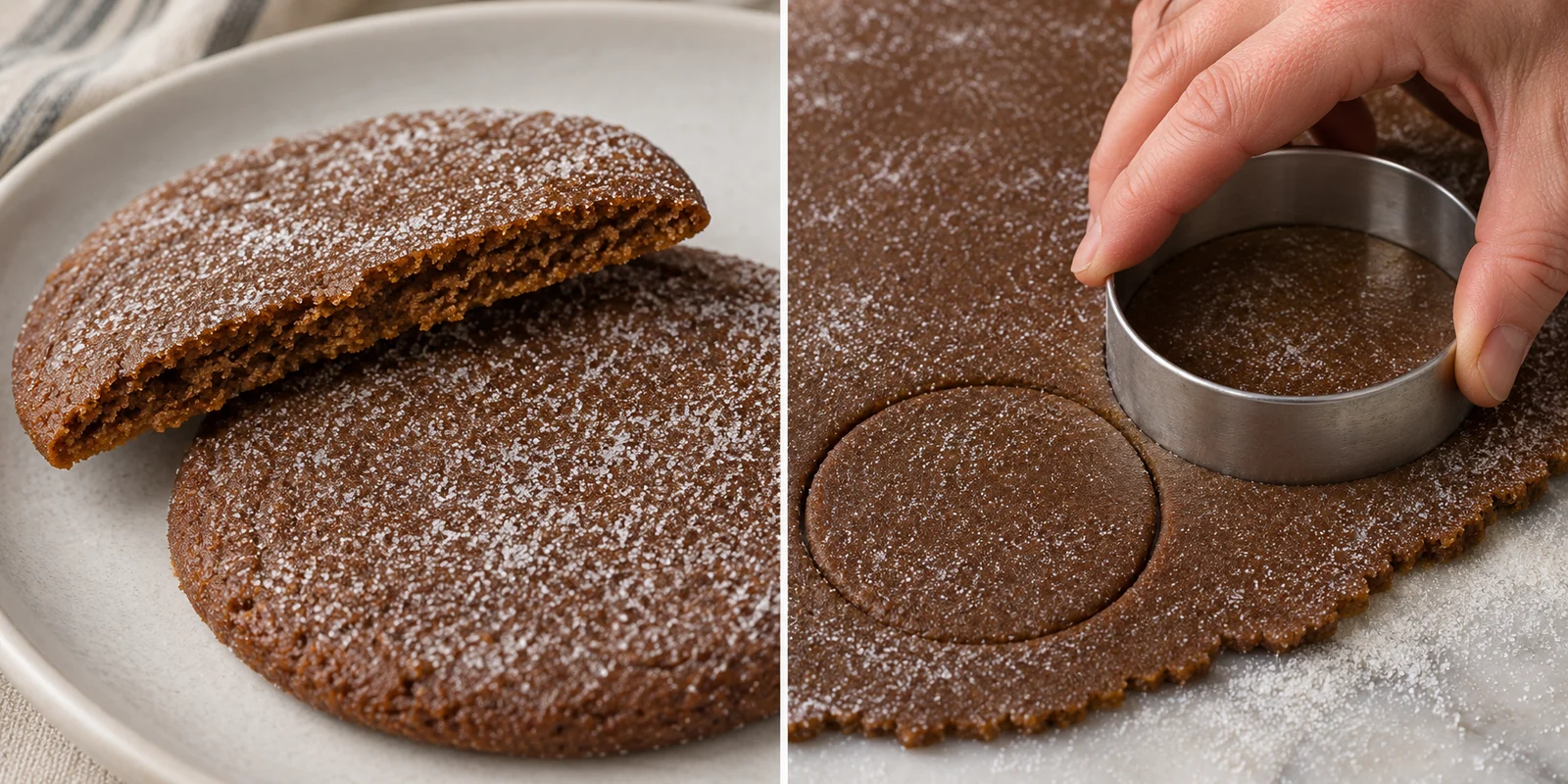
A Large Single Cookie, as Reported in a 1952 Newspaper
The August 7, 1952 issue of The Daily Herald of Prince Albert, Saskatchewan, Canada, carried a piece by Gaynor Maddox, who had lunch at the Village Tavern in Sturbridge, Massachusetts, in the United States.
The reporter described the Joe Frogger as a soft molasses cookie about 15 cm (6 inches) across, and introduced it as an old sweet that originated near Marblehead and that a child could buy for one cent apiece. In the article’s sample menu, beef, potatoes, and salad are followed by Joe Froggers and tea.
In the recipe printed on the same page, shortening and brown sugar are creamed together, and molasses, salt water, ginger, cloves, baking soda, and pastry flour are combined with them. As an alternative to salt water, salt can be added to tap water. The dough is rolled to about 6 mm, cut into rounds about 10 cm (4 inches) across, and baked at about 204°C (400°F) for about 15 minutes.
While the text describes the cookie as about 15 cm across, the cutter specified in the instructions is about 10 cm. The page does not state that the cookies measure exactly about 15 cm after baking. The size described in the article and the size of the cutter in the instructions can therefore be read separately.
The 1952 version contains no rum, and its spices are ginger and cloves. The Rhode Island museum’s version also uses allspice and nutmeg, and the cookies are either rolled by hand or cut with a small cutter.
The Town of Marblehead recipe, like the 1952 page, calls for shortening, but it adds dark rum. Ingredient names alone cannot assign a recipe to the maker’s locale, but comparing recipes whose date and maker are known shows how the combination of salt, fat, spices, and liquor supporting the sweetness of the molasses has changed.
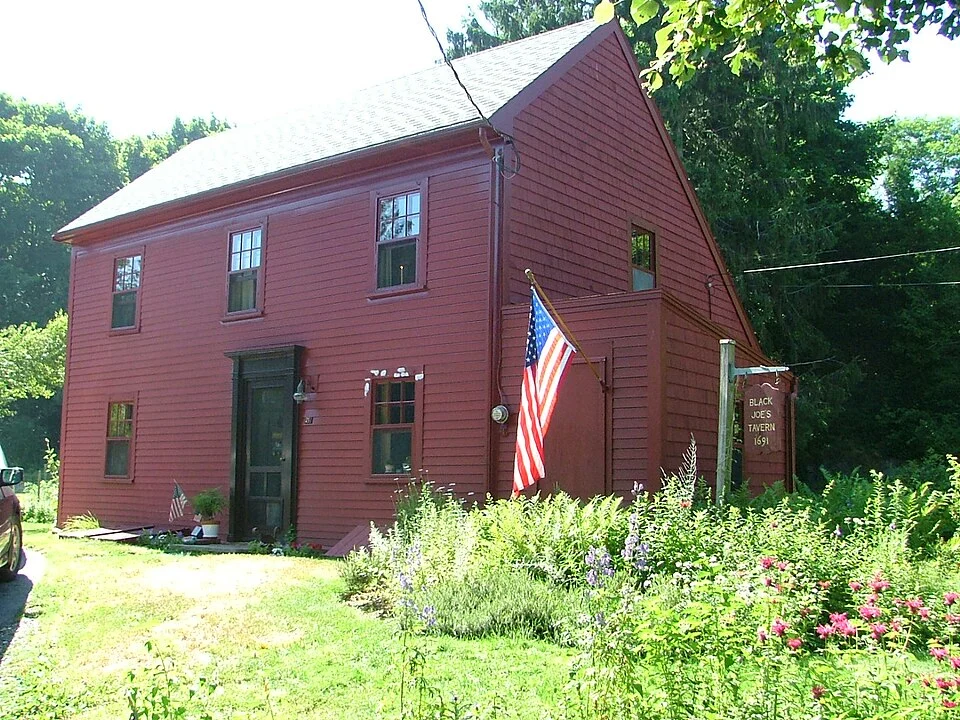
The Browns of Marblehead and Memories of Their Shop
According to research by the Marblehead Museum that traced public records and the town’s newspaper, Joseph Brown was born enslaved in North Kingstown, Rhode Island, and served in the Revolutionary War. In 1794 he married Lucretia Thomas at the Congregational church in Marblehead.
On Gingerbread Hill, where the couple lived, there was a place where neighbors gathered. A later recollection written by a townsperson conveys the bustle of the shop, but the museum says it has not been able to confirm records of the period, such as business licenses or registers.
The museum presents a recollection by a resident that was published in the Marblehead Messenger. During the week of the May election, the state legislature election was held in Boston, and locally there were militia drills and town events.
It is said that people gathered at the couple’s place, that Lucretia served customers drinks and sweets, and that Joseph played the fiddle. The recollection in the April 12, 1929 issue mentions the buns and cakes of that week. Even when set apart from the name of the later cookie, the serving of sweets at town gatherings shows how residents remembered Lucretia’s work.
The museum, drawing on local records, reports that Lucretia brewed beer to her own recipe, made wedding cakes, and made a business of scented water distilled from rose petals. A recollection in the November 25, 1929 issue features a gingerbread-like “’lassy cake” that she served to hungry people who came to the shop.
The museum says it is unclear whether the memory of this molasses sweet conveys, unchanged, the recipe of the cookie now called Joe Froggers. A piece of writing that tells of the sweets Lucretia made and a modern measured recipe that can be baked today are sources of different kinds.
Amelia Simmons’s cookbook American Cookery, published in 1796, includes a gingerbread made by kneading molasses, flour, and butter. It combines cinnamon with coriander or allspice and is leavened with pearlash dissolved in water. It directs that in summer the butter be rubbed into the flour, and in winter the butter and molasses be warmed and then poured onto the flour.
The surface is brushed with egg white and sugar before baking. In Lukas’s recipe, the rum-containing liquid is cooled, and sugar is applied to the surface of the rolled-out dough. That a sweet made with molasses and spices had already been printed in the couple’s lifetime is a separate matter from knowing the recipe of the sweet sold in their shop.
The 1860 edition of Mary Randolph’s cookbook includes “Tavern Biscuit.” Flour, sugar, and butter are combined with mace and nutmeg and flavored with brandy or wine. The method is to add milk and knead, roll the dough thin, cut it with a cutter, and bake it quickly.
It resembles modern Joe Froggers in its use of liquor and spices, but its sweetness comes from sugar, and no molasses is added. In comparing similar sweets in old cookbooks, reading down to what is mixed in and what is brushed on before baking, rather than deciding a lineage from a shop’s sweet with a similar name, makes it possible to describe each flavor separately.
Joe Frogger Eaten at Sea, and the Pond Tale
George H. Procter’s record of the fisheries, published in 1873, contains an account by a person aboard a vessel bound for Georges Bank in the winter of 1862. When he first hauled up a large flatfish, the Portuguese-born steward brought him hot coffee and a pancake with plums in it.
The person aboard states that the fishermen called it “joe-flogger.” The name sounds like that of the molasses cookie that is cut round and baked on land, but what was brought out in this record is a pancake containing fruit.
“Joe-flogger” also appears in Kirk Munroe’s 1889 fishing novel Dorymates. In the story it is a food eaten aboard ship, served with butter or sugar and alongside coffee. A boy even dreams of the food.
A novel cannot settle what fishermen’s meals were like in general, but it can be confirmed that a similarly spelled word was used both in a text of the same period set in the fisheries and in a fisherman’s memoir. Neither records any way of linking the Browns’ cookie to the ship’s pancake.
Among the explanations of the sweet’s name passed down in Marblehead is one that likens the large cookie to a frog in the pond near the shop, or to the water lily leaf a frog sits on. The Herreshoff Marine Museum also presents another story, in which the shape of the cookie baked in an iron frying pan was likened to a frog.
The Smithsonian Libraries also raise the question of how the fishermen’s word “joe-flogger” relates to the name of the sweet on land. There are several traditions about the pond and the shape of the dish, and no document has been found that shows both the recipe and the naming of that time.
At Old Sturbridge Village, the museum shop still presents as a product the sweet introduced in the 1952 newspaper article. At the Sweet Home Café in Washington, D.C., the cookie appears on a menu that conveys the history of food shaped by African Americans. The 1952 recipe uses salt water, and the café’s recipe uses rum and four spices. When the memory of the town of Marblehead passes to another place, the choices of which ingredients to use and how large and round to bake the cookies also reflect the judgment of the makers who pass it on.
Glossary
- Molasses
- A dark brown syrup that is the source of the cookies’ sweetness and of the color of the dough.
- Shortening
- A solid fat used in baking and similar cooking. It is used in the 1952 newspaper recipe and the Town of Marblehead recipe.
- Allspice
- A spice. In modern recipes it is used together with ginger, cloves, and nutmeg.
- joe-flogger
- The name for a pancake containing plums, found in a 19th-century fishing memoir.


