


SweetloreEncyclopedia of World Sweets (834)

Mawa Kachori
Mawa Kachori
A reduced-milk filling in a wrapped shell, finished with sugar syrup
Fried Sweets / Jodhpur, Rajasthan, India

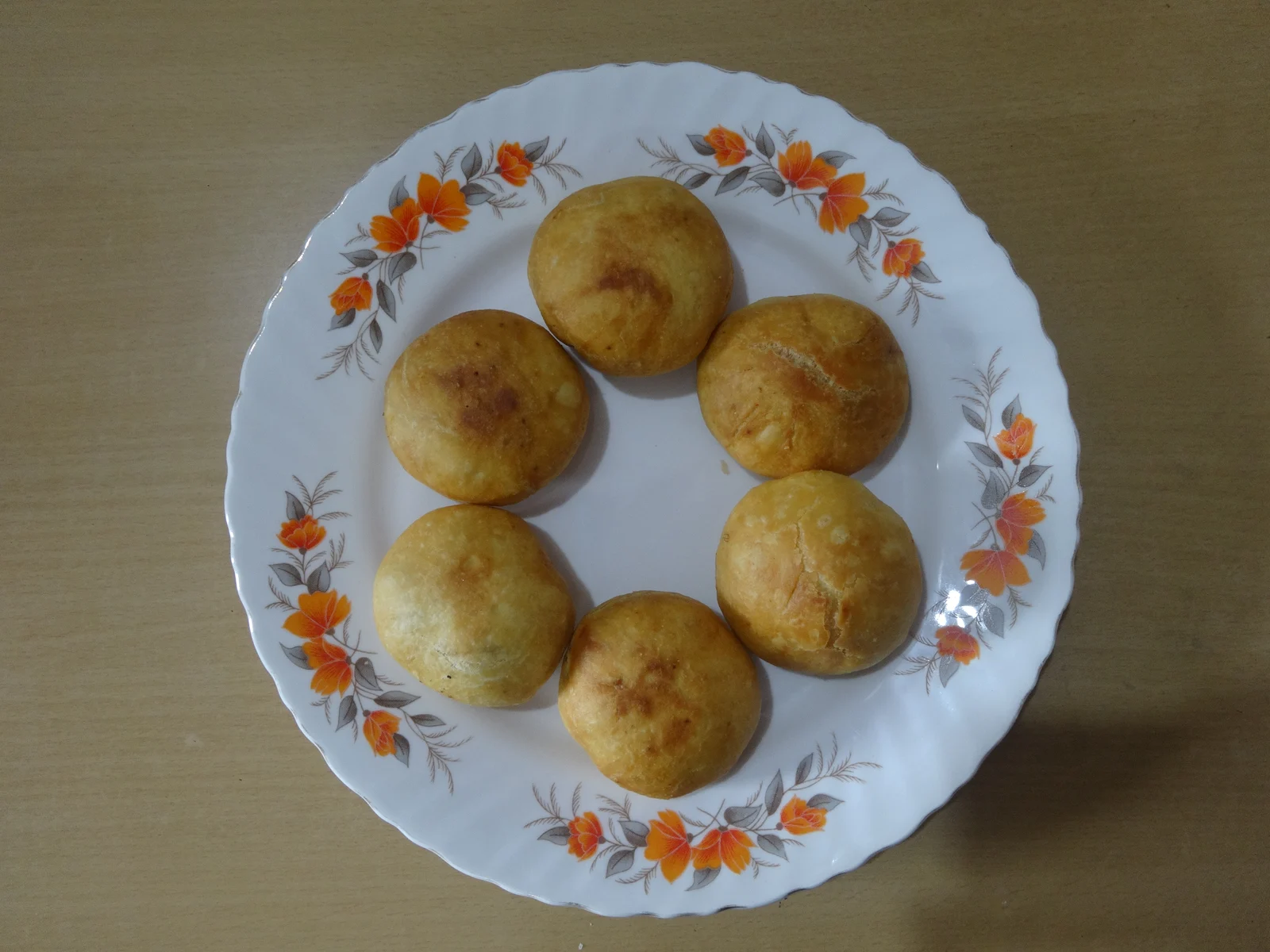
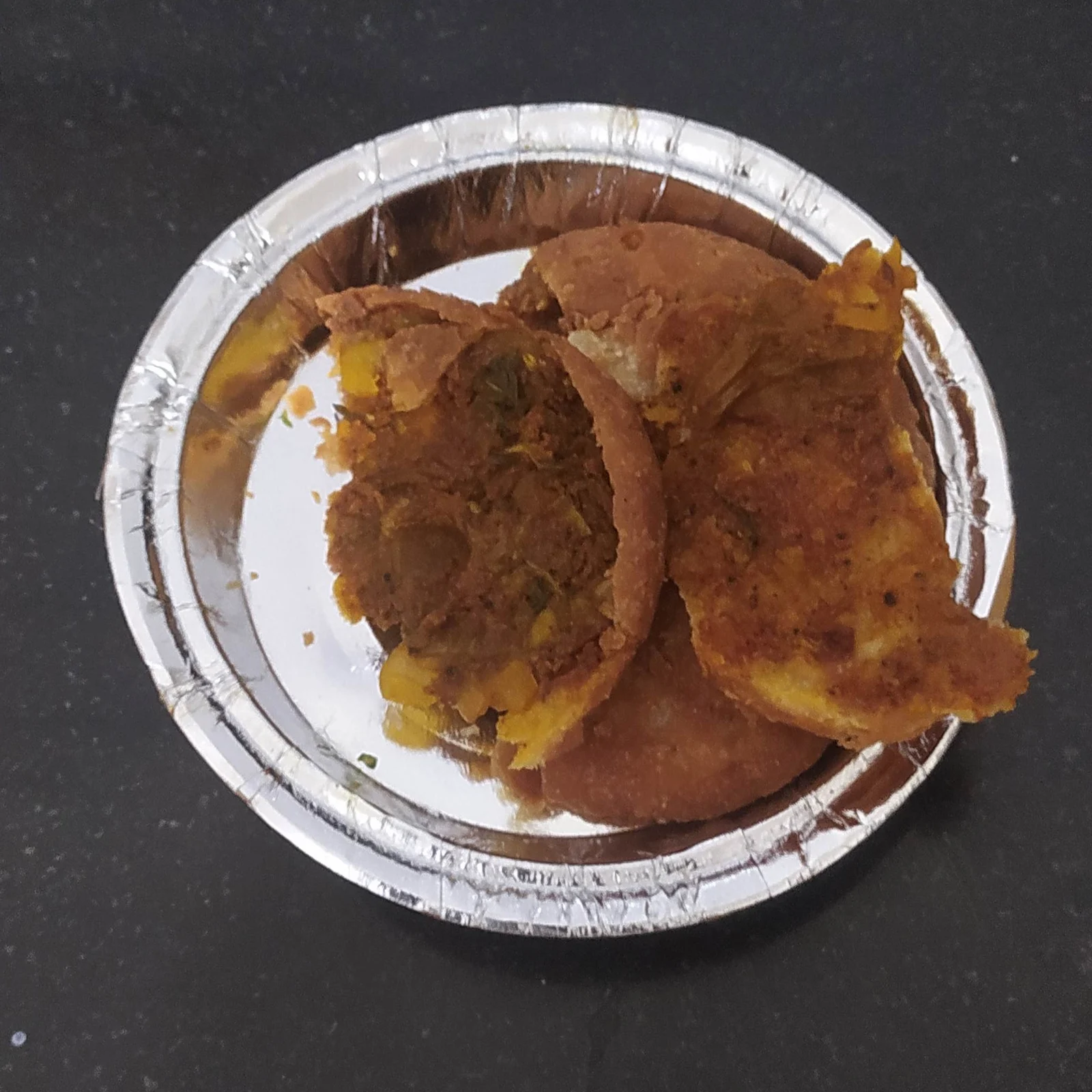
Mawa kachori (Mawa Kachori/मावा कचौरी) is a sweet fried pastry known in Jodhpur, in Rajasthan in northwestern India. Mawa, which is milk cooked down to a solid, is wrapped with nuts inside a round shell of wheat-flour dough. After frying to a golden brown, the pastry is either coated on the surface with sugar syrup or pierced on top so that syrup can be poured inside. The outer shell breaks against the teeth, followed by the rich milk filling and nuts. Where the syrup adds its sweetness also varies, depending on whether it is poured after the shell is split or the pastry is soaked whole.
Reducing Milk into a Filling That Can Be Wrapped
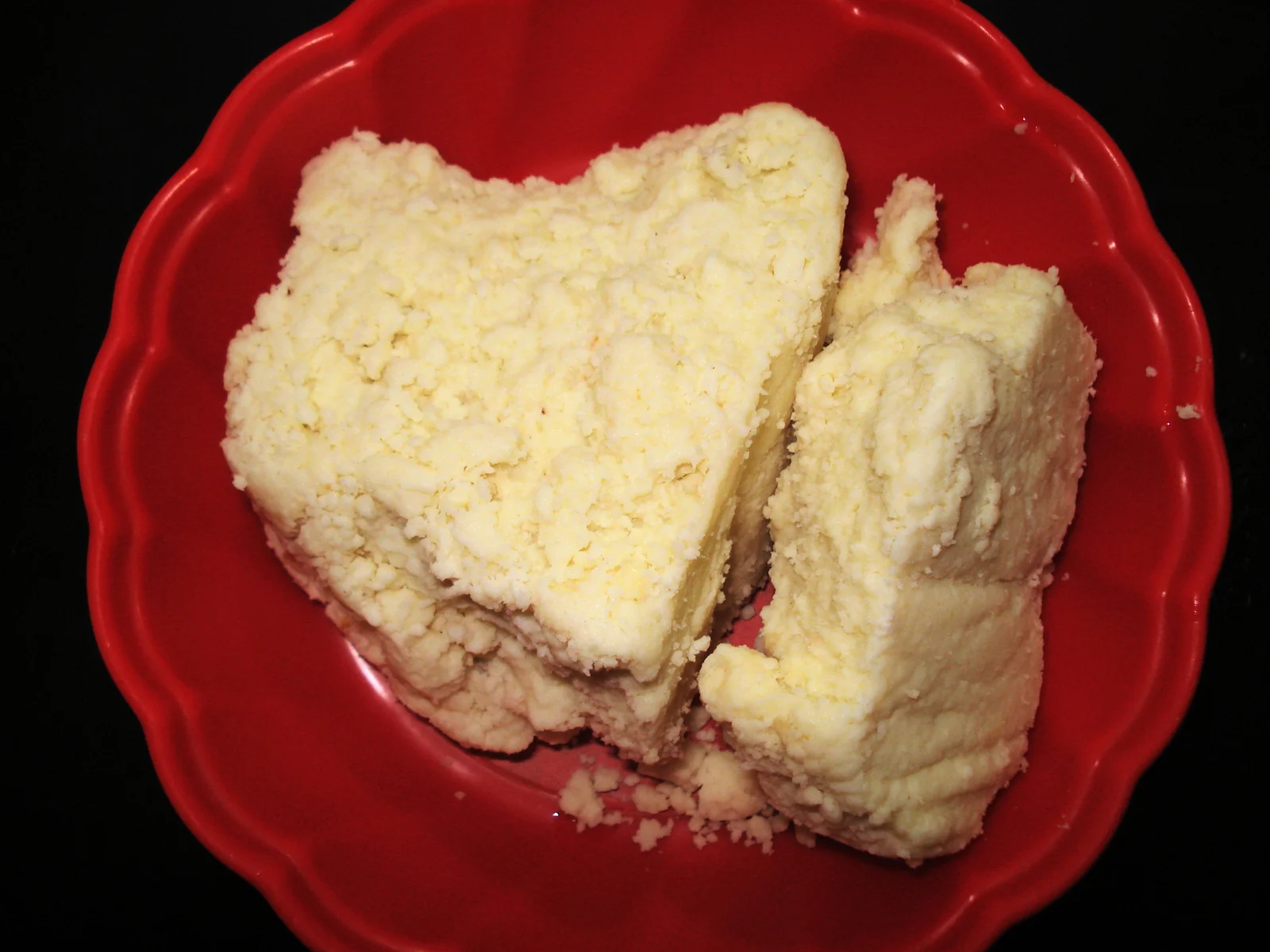
The mawa used as the filling is a milk-based material also called khoya. Cow’s milk, buffalo milk or similar is heated to reduce its water until it can be handled as a mass. The dairy products teaching material of India’s Central Board of Secondary Education describes it as a semi-solid material from which water has been driven off by heating. Liquid milk is hard to portion into a wheat-flour shell, but once concentrated in advance it can be mixed with nuts and powdered sugar and divided to suit the size of each shell. The reason the milk-rich filling stays inside when the pastry is broken open is that the milk is not soaked in from outside; it has been turned into a form that can be wrapped.
Mawa itself comes in types, such as pindi, which is smooth and firm, and danedar, which keeps a granular texture. The same teaching material also describes making danedar, the granular type, by adding soured milk or an acid. Milk cooked down as in the photo can be handled as a lump, but how smooth the mawa used for the filling should be depends on the maker or the household recipe. Pindi and danedar are categories used in teaching materials that cover mawa in general; they do not indicate grades of filling in Jodhpur shops or any common standard.
While the milk is cooked down, it is stirred continuously, with the milk that clings to the sides of the pan scraped back in. A teaching material from an Indian food-processing training institute has the milk boiled in small batches in an open pan, scraping the bottom more carefully once it approaches a paste, and takes the mass beginning to come away from the surface of the pan in one piece as the sign that it is done. Dhap, which appears in the same material, is a mawa that is moister than pindi or danedar, smooth and sticky. Some gulab jamun, in which a ball of milk dough is itself fried and soaked in syrup, use dhap. Kachori differs in the form in which the milk goes into the oil, since the milk filling is wrapped in a shell before frying. Both use milk that has first been firmed to some degree, but in kachori the line between flavor and texture is drawn by the wheat-flour shell.
Nuts and spices add a bite and aroma that milk alone does not provide. For eight pieces, Rajasthani Recipes uses 1 cup of crumbled khoya, 1/4 cup of chopped almonds and pistachios combined, 1/2 teaspoon of cardamom powder and 2 tablespoons of powdered sugar. Its method is to warm the mawa over low heat first to release its aroma, then let it cool before mixing in the nuts and other ingredients. A Hindi home recipe uses cashews as well as almonds and pistachios. Of the milk, wheat and nuts, it is the nuts that change in kind and amount from one recipe to another.
In Nag Ratna Sahu’s method, almonds, cashews, pistachios and raisins are first sautéed in ghee for 20 to 30 seconds. 200 grams of mawa is added and stirred for about 1 minute until lightly colored, and the pan is then taken off the heat; once cool, powdered sugar is added. Compared with the formula that heats the mawa first, Sahu’s recipe exposes the nuts and raisins to the fat first. The cooled filling is divided into small balls so that it does not spill out when the edges of the shell are gathered. Khaana wraps the mawa only after it has cooled completely, because if warm mawa is wrapped and fried, the filling may leak out or the shell may split.
A Shell Thicker in the Middle, Gathered and Sealed at the Edge
Apart from the milk fat in the filling, some methods also use ghee in the shell. Ghee is rubbed into the flour with the fingertips, cold water is added a little at a time to make a stiff dough, and the dough is rested and then divided. Ghee is the milk fat left after water and other components are removed from butter. Working fat into the flour before adding water affects how crumbly and crisp the fried shell is. Sahu uses milk instead of cold water, adding saffron-steeped milk if desired. Cardamom also goes into the flour, so the aroma comes first from the shell at the first bite, and then the milk and nut filling follows.
When rolling the portioned dough into rounds, Sahu and Khaana leave the center thicker than the edge. The filling is placed in the center and the thin surrounding dough is lifted and gathered. The base, where the filling first sat, is therefore thick, and the thin edges collect at the seam on top. In another recipe, the filling is rolled into a ball smaller than the dough, the edges are sealed firmly, the excess dough is removed, and the parcel is then flattened. If the seam is open, the filling, softened in the oil, escapes. Cooling the filling completely and sealing the edges of the shell are both steps to keep the shape in the pan.
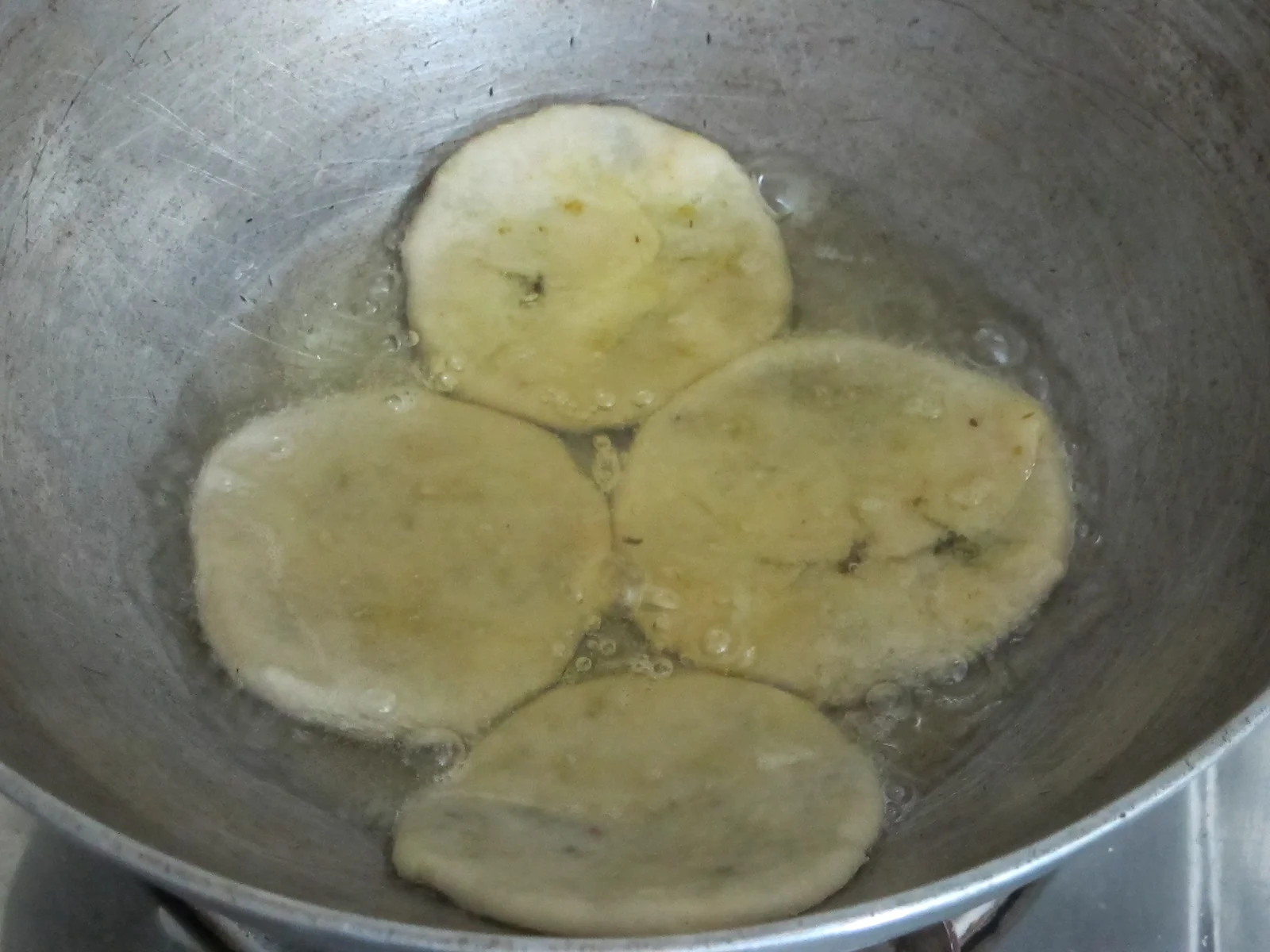
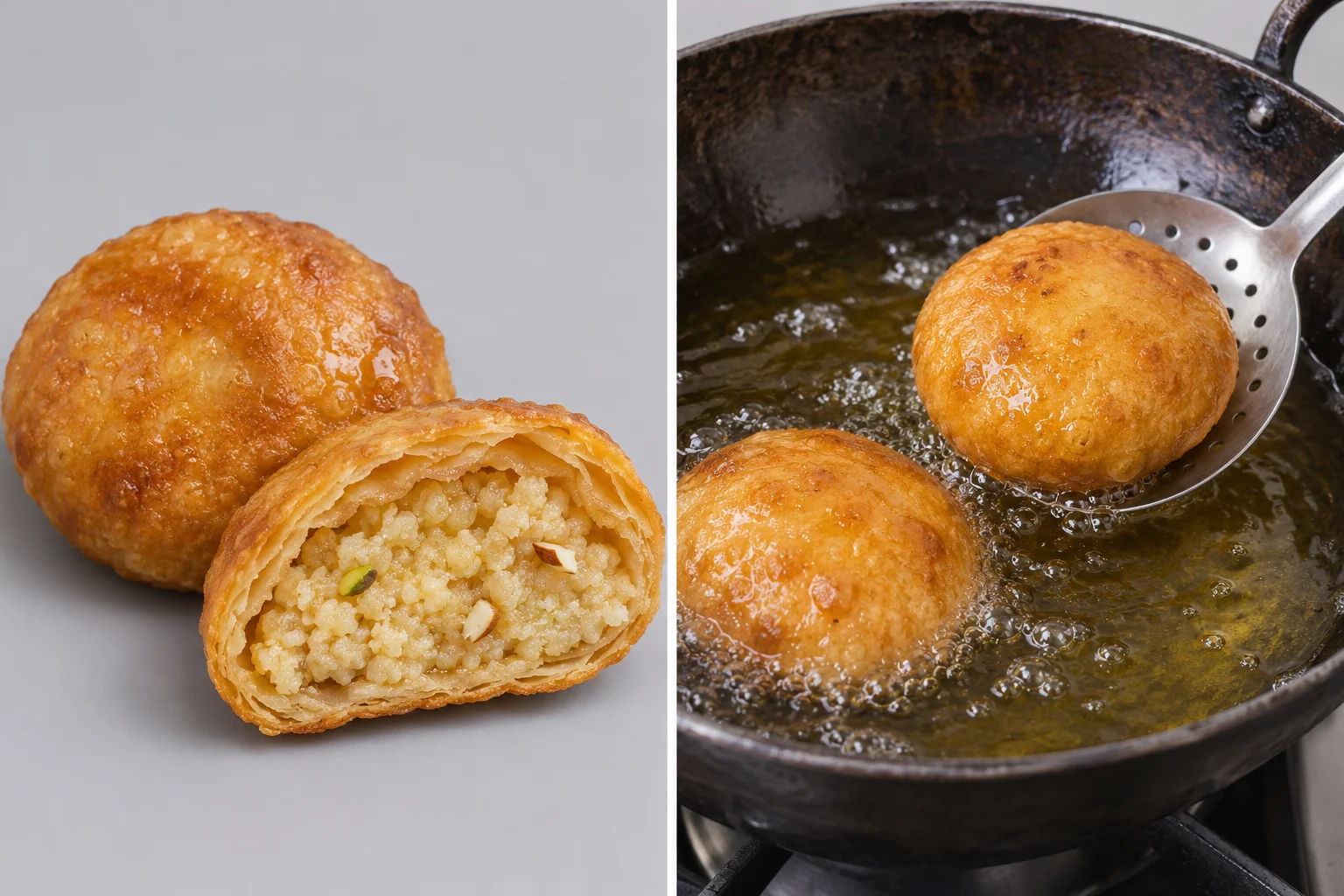
The wrapped pastries are fried in oil or ghee. A Hindi cooking article calls for low heat and plenty of time, so that the inside is cooked through while the outside turns crisp. Temperature and time vary with the size of each piece and the method. Sahu turns the pastries when the dough begins to puff and browns both sides to golden. The mawa inside is already milk cooked down, so after leaving the oil it remains as a filling distinct from the shell. Even though both shell and filling contain fat, the outside breaks and the teeth meet milk and nuts inside because the filling is wrapped in wheat dough and fried.
Even figures from the same cook vary depending on where the measurement was taken. Sahu rolls the shell to about 13 centimeters in diameter before wrapping, puts 3 to 4 teaspoons of filling on it, wraps and rounds it, then presses it out to a diameter of about 8 centimeters. After warming the ghee over medium heat, she fries the pastries in one batch for 10 to 12 minutes over medium to low heat. In the Khaana example, the shell is rolled to 9 centimeters in diameter and the wrapped pastry shaped to about 7 centimeters. It is rested seam side down for 10 minutes and then fried, 4 pieces at a time, for 12 to 14 minutes at a guide temperature of 140 degrees. The explanation given is that if the shell colors early, the inside may still be raw. Read together with the batch size and the size of the pastries, the figures from the two recipes show how the waiting time until golden brown differs.
Syrup Brushed on the Shell, or Poured in Through a Hole
Chashni is a sugar syrup made by boiling sugar and water. If saffron is added, the syrup eaten with the pastry gains an aroma of its own, separate from the milk filling and the cardamom in the shell. Rajasthani Recipes uses 1 cup of sugar to 1/2 cup of water, boiled until lightly sticky, and applies the warm syrup thinly to the fried shells with a spoon or brush. The pastries are not soaked for long, so the finish keeps the outside crisp. Khaana has an example in which 350 grams of sugar and 175 milliliters of water are boiled to a one-thread consistency, meaning a single thread forms between the fingers. A lightly sticky syrup and a one-thread syrup are guides used in separate recipes.
When a small hole is made in the top of the shell, the sugar syrup reaches the filling from the outside. In the recipe in a Hindi article, the fried pastries are cooled slightly and warm saffron syrup is poured into the hole in the shell. Some is left to go inside, and the surface is coated as well. Sahu soaks the fried pastries in syrup for 1 to 2 minutes, cuts them in half, pours on more syrup, and scatters almonds and pistachios over them. A single recipe includes both soaking and pouring because it uses syrup thinly coated on the outside and syrup that touches the cut surface. Compared with a method that keeps the shell whole until the syrup is poured, finishing the pastry cut in half also shows the milk filling and pieces of nuts.
In Khaana, the freshly fried pastries are soaked for about 30 seconds in that one-thread syrup and then lifted out. After the surface is broken, a little more syrup is poured in and pistachios are added. Sahu’s method is separate: 250 grams of sugar and 100 milliliters of water are briefly boiled with cardamom and saffron. Even though the two syrups are made differently, they share the idea of passing the pastry through syrup once and then delivering more liquid to the cut-open part. Compared with a thin coating on the outside only, the filling on the cut surface also takes on sweetness.
Sweet Parcels in Jodhpur’s Confectionery Shops
When buying kachori in Jodhpur, the name alone does not tell you whether it is filled with sweet milk or with onion and spices. On the same page, the Rajasthan Tourism department introduces a sweet kachori filled with mawa and nuts and a savory pyaj kachori made with onion. At Janta Sweet Home in Jodhpur, too, Mawa Kachori and Dry Kachori are separate products. The product description of the Dry Kachori also mentions sweetness, so on seeing the name in a shop you cannot judge from the single word "dry" that it contains onion. The shop explains that it uses desi ghee in its sweets, but its product list does not give the detailed composition of the filling or any standard common to all shops in the city.
NDTV’s report mentions Janta, which operates at Nai Sarak, a walk from Jodhpur’s clock tower, as well as Jodhpur Sweets, which sells sweet kachori as gifts to take away. The same reporter also writes of a shop in Chennai, in southern India, where an owner originally from Jodhpur serves two kinds, one with onion and one with sweet mawa. It is one example of the combination of sweet and savory being carried to a shop away from Jodhpur.
Mawa kachori also appears in the environmental assessment of Jodhpur by the Rajasthan state urban development body as one expression of the city’s food culture. As to its origin, a Hindi news report says it is said to date back about 70 years or about 120 years from the time of the interview. One account given in the same article is that around 1920 an artisan, Jairam Das, put a sweet filling in place of a savory one and the dish came about by accident. Another local profile names Rawat Mal Deora as the inventor. Both are stories told in later years, and neither modern city documents nor shop displays show a contemporary record that could establish who created it.
Mawa kachori bought in Jodhpur also becomes a sweet carried out of the city. Sahu recalls her family opening a box that arrived from Jodhpur during the Diwali holidays, and presents it as a sweet also eaten at weddings, festivals and other special occasions. Not everyone takes it home. In design documentation from the Indian Institute of Technology Bombay, tourists and local customers are recorded eating kachori outside the shop at the takeaway counter of Janta Sweet Home. When the mawa version is cut and shared among a family, there is a method in which the syrup is poured on the spot, and when it is eaten at the shop, some are served with the round shell already sweetened. Who eats it and where varies, but the wrapped form is the same: the teeth first break the wheat shell and then reach the milk and nuts.
Glossary
- Mawa / khoya
- Milk solids made by cooking down cow’s or buffalo milk to reduce its water. Used for confectionery fillings and similar purposes.
- Ghee
- Milk fat from which water and other components have been removed from butter. In some recipes it is used in the shell and as frying fat.
- Chashni
- A sugar syrup made by boiling sugar and water. Its thickness and flavoring differ by recipe.
- Pyaj kachori
- A savory kachori filled with onion and spices.


