


SweetloreEncyclopedia of World Sweets (834)

Quesadilla Salvadoreña
Quesadilla salvadoreña
A sweet Salvadoran quesadilla baked with cheese mixed in
Cakes / El Salvador

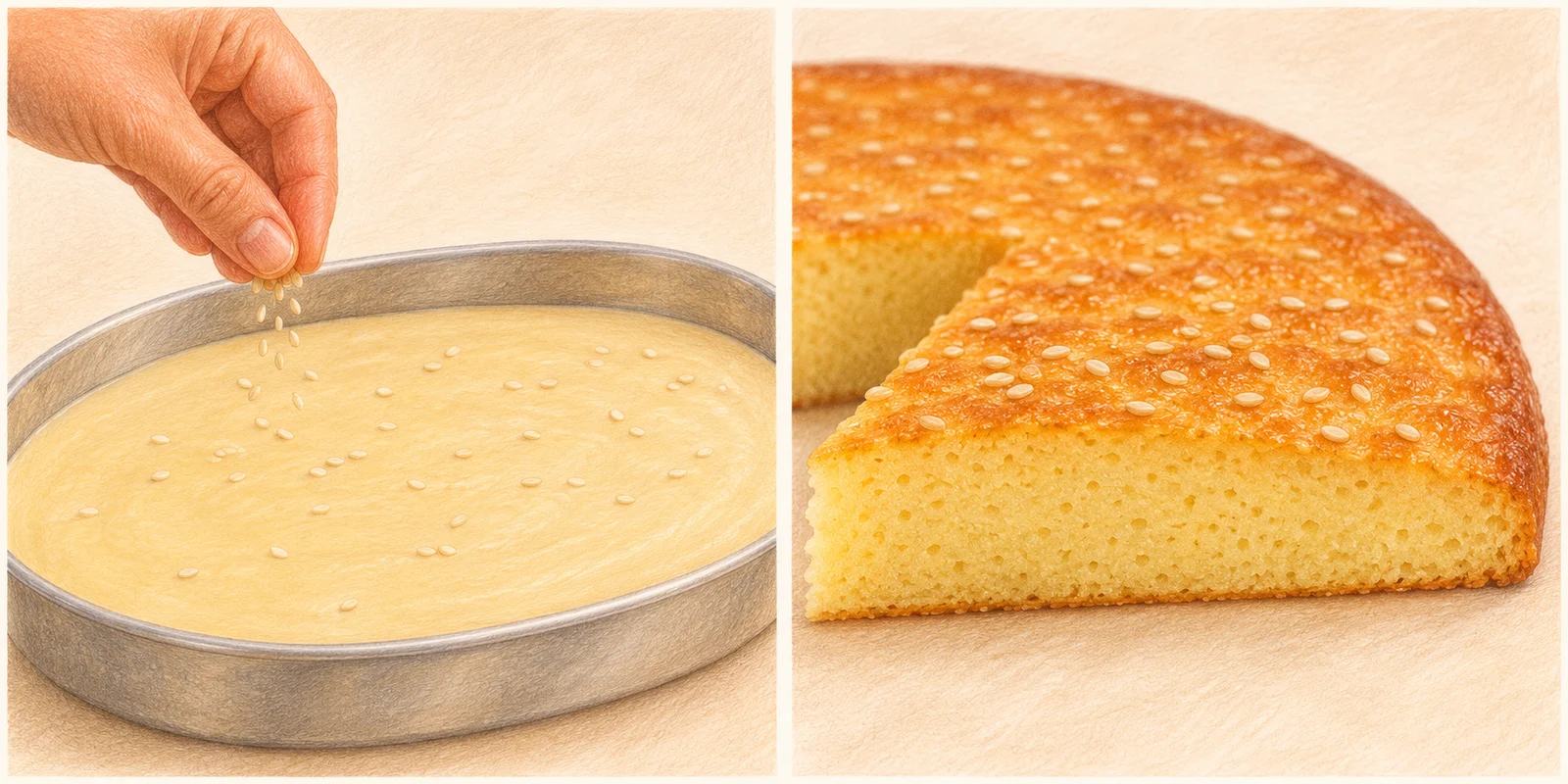
When you cut through the browned, sesame-topped surface, the flavor of finely blended cheese runs through the crumb. Quesadilla salvadoreña is a Salvadoran sweet bake made by combining rice flour or wheat flour with dairy. In the east of the country there is also a version made from ground corn, and the ingredients differ from one cook to another under the same name: some bake in wood-fired ovens, while others grate whatever cheese is available where they have settled.
Grating the cheese and mixing it through the batter before baking
A University of El Salvador source says rice flour is most often used, but also records versions made with a corn batter. For the dairy, it names fresh cheese and cuajada (curd), and it describes the baked result as soft and moist. When a batter containing flour and dairy is baked, the cheese flavor spreads through the interior, so every bite of a cut slice tastes of milk. This differs from a dish with a layer of cheese sandwiched in the middle, because here the cheese is mixed into the whole batter.
A home recipe published by El Diario de Hoy, a Salvadoran newspaper, uses equal volumes of soft (low-protein) wheat flour and finely grated hard cheese, along with sugar, milk, melted margarine and eggs. Milk is mixed with sugar and egg yolks, then the cheese, the flour combined with baking powder, and the margarine are added in turn. Separately whipped egg whites are folded in, and the batter goes into a pan. Sesame seeds are scattered over the surface before baking. This example shows both the use of wheat flour and the step of keeping the egg-white foam in the batter.
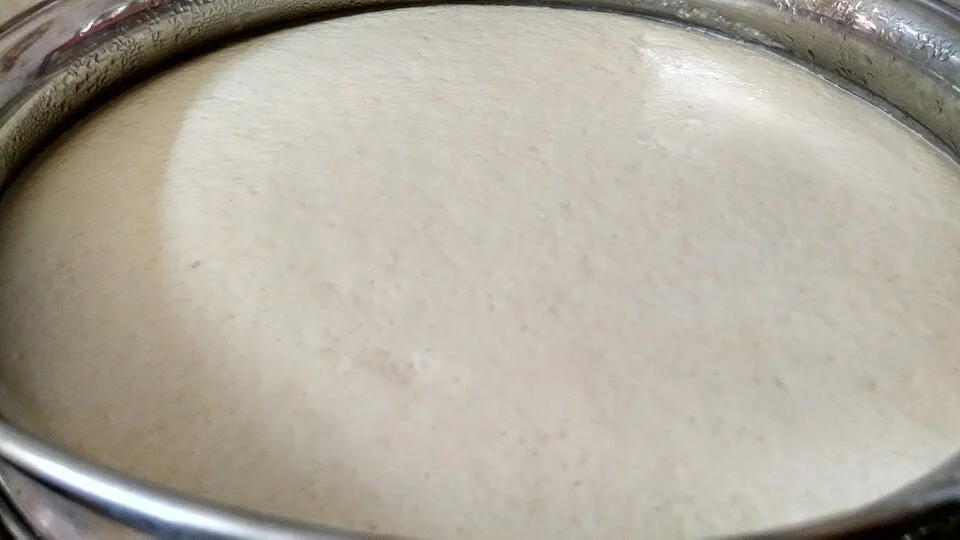
Reducing the cheese to fine pieces and mixing it with the wet ingredients first helps it spread through the whole batter more readily than cutting up a large block would. The egg whites are folded in last, so any dry flour pockets or large lumps need to be worked out of the batter before that point. When the batter is poured into a pan and baked, the sesame adds aroma and a grainy texture to the browned surface, which is distinct from the milky flavor inside. Beyond the type of flour and cheese, the way the foam is incorporated and how the surface is finished set apart the texture of pan-baked versions.
A home recipe for rice-flour quesadilla published by a Canadian dairy company also separates the eggs and combines rice flour with dairy. Compared with the wheat-flour example from the local newspaper, separating the eggs is a step independent of the choice of flour. A rice-flour batter lacks the gluten that wheat flour provides, so a batter mixed with cheese and eggs does not hold together in the same way as in the wheat-flour example. What the two recipes show is that, whichever flour is used, the cheese flavor can be worked into the batter and the foam can keep it from becoming too heavy.
In the east, ground corn changes the form as well
ITCA-FEPADE, which surveyed eastern El Salvador, recorded a corn quesadilla called shashama in places such as Conchagua in La Unión department. The dough is made from corn that has been heated with lime and then ground, and it is mixed with grated queso duro blando or cream. The report describes the result as firm on the outside, with air pockets inside, and moist. What it shares with the cake-like rice-flour versions is sweetness and dairy, but the base grain and the steps before milling differ.
The same survey notes that the name and method for shashama vary between the north and south of La Unión department, with some versions adding panela, a solid cane sugar, and others omitting panela and using sesame. Even when sesame seeds are visible on top, you cannot tell without the ingredient list whether the batter is made from rice flour or from ground corn.
Even though the dairy in the batter links the flavor to the name, the choice of sweetener and the finished result are not the same across versions.
In the same report, a folded form found in Morazán department and elsewhere, called tamalitos in Guarococtí, rolls out part of the dairy-enriched corn dough into rounds and encloses a filling in which the rest of the dough is mixed with panela, cinnamon and allspice. The baked exterior is described as firm and the inside as easy to crumble. Unlike pieces cut from a batter poured into a pan, each piece is shaped individually before baking. The sugar and spices in the filling gather on the inside of the half-moon, while cheese also goes into the corn dough.
Small square quesadillas were also surveyed in Santa Rosa de Lima and Anamorós in La Unión department, and in Morazán department and elsewhere. The four corners of a thinly rolled corn dough are pinched with the fingers to form a shallow vessel, and a filling mixed with cuajada and other ingredients is placed inside. The record says that after baking, the thin outer parts keep a chewy bite. A large baked cake cut into squares and a piece whose corners are formed before baking may both look square from outside, but they differ in whether the firmer part surrounds each piece as a rim or whether cut edges are exposed.
In Conchagua and Anamorós, a rice-flour baked sweet called torta polosa is also confirmed to be called quesadilla de arroz in some places. The recipe from the surveyed area grinds rice that has been soaked and dried, then combines it with wheat flour, powdered milk, eggs and fat. It contains no cheese; the baked interior crumbles easily and the outside is crisp. It is one example of why a name alone is not enough: even when something is called quesadilla, you need to look at the type of dairy and the baked form to tell it apart from a cheese-containing sweet.
A San Miguel bakery and a neighbor’s wood-fired oven
The University of El Salvador’s history of baking in San Miguel records that around 1935 the city’s bakery La India made sweet breads such as quesadilla in addition to French bread. The oven of that time was wood-fired, and there was no sales counter at the shop; the makers carried their goods in baskets and sold them. This is a case from the 1930s compiled by a later study. It offers clues to the kinds of sweets a bakery handled then and how they were sold, but the account contains no contemporary recipe.
The San Miguel baking history records that other bakeries, such as Lorena, were founded later. For the quesadilla sold at La India, the study preserves only the product name and the baking and selling conditions of the time. It shows how several bakeries came to exist in the same city, but that alone does not establish that the sweets of each shop used the same recipe.
In Usulután department, a 2021 report described Victoria Castro borrowing a neighbor’s handmade oven twice a week to bake quesadillas and other goods, which she sold by carrying them in baskets. Unlike a shop in town waiting for customers, the baker travels between settlements to bring the sweets to buyers. Comparing this directly reported case from another time and place with the basket selling in 1930s San Miguel recorded by a later study, the ways baked sweets reach those who eat them also reflect local life.
The University of El Salvador survey lists, as present-day outlets, not only bakeries but also shops serving traditional food and supermarkets. It also describes a village case in which an earthen oven is heated with firewood, the wood is removed, and baking is done with the heat of the remaining embers. Buying from a home oven directly is different from buying through a shop or sales counter, because the time and place at which people encounter the sweet differ. The custom of pairing it with coffee is also tied to the fact that a sweet with a cheese flavor can be served in a single slice.
ITCA-FEPADE’s survey of the east also includes another sweet, pan de tusa. In this example, corn husks are laid in a mold, the dough is poured in, left to ferment for two hours, and baked. The ingredients include wheat flour, sugar, margarine, yeast and eggs, and sesame is scattered over the surface. Its recipe is different from quesadilla, and checking how the lining and the filling are each made reveals the differences among baked sweets of the same region.
Using familiar cheese in Los Angeles shops
In 1995, the Los Angeles Times reported on sweet, sesame-topped quesadillas sold at a Central American bakery in Los Angeles. In the report, people who had thought of the Mexican tortilla dish with cheese in the middle on hearing the word quesadilla were surprised to see a baked sweet. According to the paper, shops selling Salvadoran and Guatemalan breads and sweets increased in the 1980s as people migrated from Central America. This record confirms sales in the United States; it does not indicate the origin of the sweet in El Salvador.
When KCRW, a public radio station in Los Angeles, interviewed Karla Vasquez, who works on collecting food stories and running workshops, it reported that some bakeries use Parmesan instead of queso duro blando.
The reasons given in the interview are the cost of importing cheese and the choice of an aged cheese that is readily available locally. Either can be grated and dispersed through the batter, but a different cheese changes the saltiness and aroma. Even when the place of residence changes, the method of mixing cheese into the batter, baking it and sharing it can be kept.
Also in Los Angeles, a 2018 article about Cuscatleca Bakery in Echo Park presents a version made only with plant-based ingredients that keeps the white sesame and the soft, cake-like form. The owner, Oscar Monroy, took over from his father’s bakery both the shop’s name and its policy of offering Salvadoran sweet breads, and turned it into a place where customers can sit and enjoy coffee and sweets. The article does not give the recipe for the plant-based version, but the shop’s efforts convey the white-sesame-topped baked sweet and the setting of having it with coffee to a different clientele as well.
Comparing the storefront recorded in the 1995 report with the shop visited in 2018 shows that selling in Los Angeles has varied. In the 1995 report, a sign indicating that the shop sold Central American bread was the cue for finding and buying it. The shop covered in 2018 welcomes customers who spend time inside with coffee, and it has added new recipes to the baked goods on its signboard. Including the basket selling recorded in San Miguel and Usulután department, people have met the same name at different points of sale.
Setting side by side the pan-baked versions in El Salvador, the corn-based versions of the east, and the ingredient choices in Los Angeles shows that, under the same name, the flour, the type of cheese and the point at which the shape is set all differ. In some versions the teeth meet the sesame decorating the surface first, while in others you break the edge of the enclosing dough and taste the spices inside. When you point at a quesadilla in a shop and ask about it, knowing which grain was used, what was mixed in and what shape it was baked in tells you about that particular item.
Glossary
- Queso duro blando
- A salty, fairly hard cheese. In some recipes it is grated and used in the batter.
- Cuajada
- Curdled milk. In eastern versions it is ground with the corn or added to the filling.
- Nixtamal
- Corn that has been heat-treated with an alkali such as lime. In the surveyed versions it is ground to make the dough.
- Panela
- A solid sugar made by boiling down sugarcane juice. In the east it is used to sweeten sweets.
- Tusa
- Here, the husk that wraps the corn kernels. It is the lining used for baking pan de tusa in the east.


