


SweetloreEncyclopedia of World Sweets (834)

Pío Quinto
Pío quinto
A baked cake soaked in rum syrup, layered with milk cream
Cakes / Nicaragua

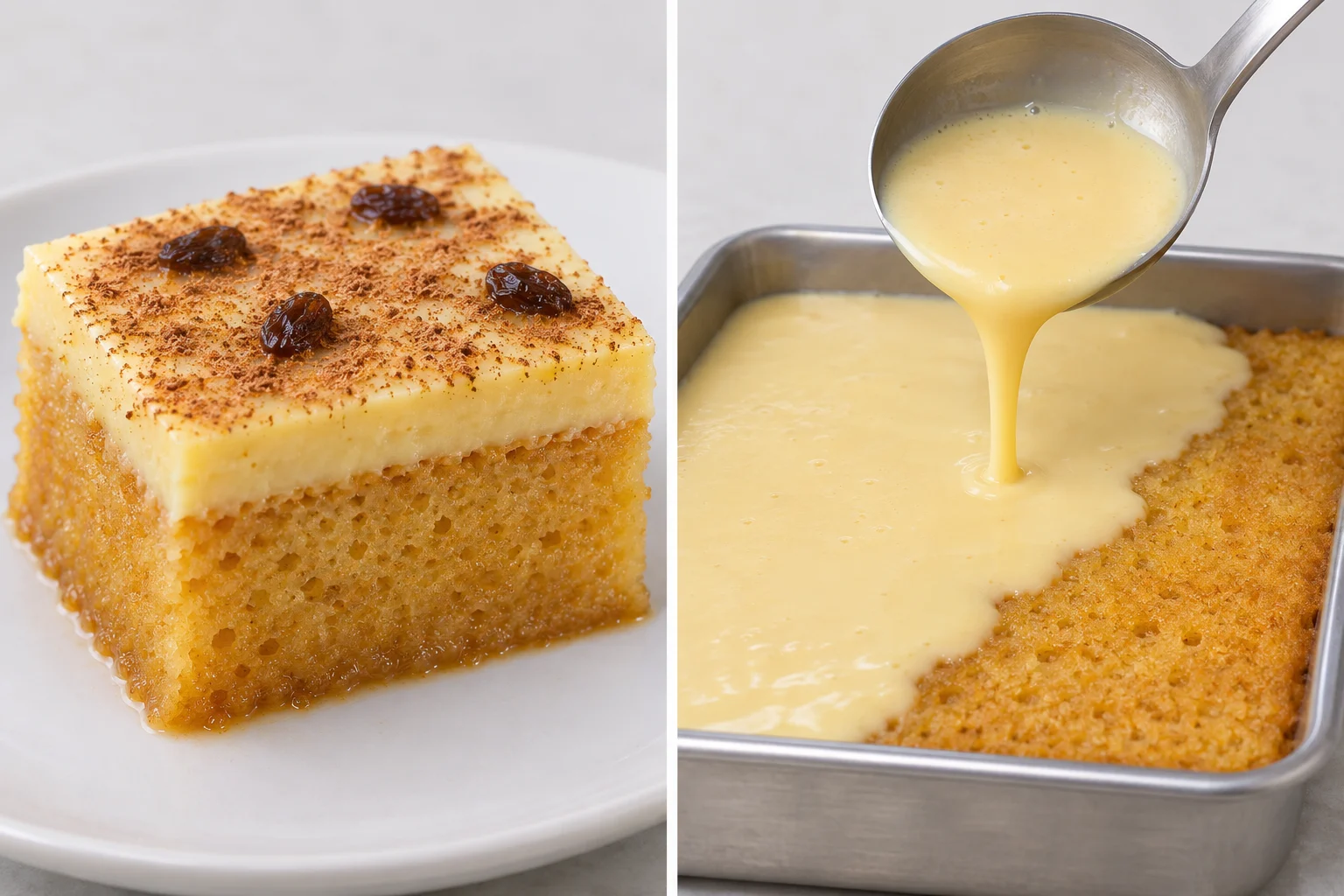
When you put a spoon into the milk cream, beneath it appears a cake that has soaked up a syrup of liquor and spices. Pío quinto (Pío V) is a Nicaraguan dessert in which a previously baked marquesote is moistened with syrup and topped with a milk cream. The syrup is soaked into the cake, and the cream is thickened by cooking before it is layered on. At year-end markets, the bases are sold slice by slice, and at home people assemble the dessert as a Christmas dish.
A Baked Cake Soaked in a Syrup of Liquor and Spices
In El Tiangue del Maíz, compiled by Nicaragua’s Ministry of Education, the marquesote that forms the base of pío quinto is cut into small squares and placed in a deep dish or soup plate. The syrup, listed in the ingredients as "miel," is made by dissolving sugar in water and simmering it with cloves and raisins. This syrup and rum are poured over the cake in the dish. Because the cake is cut before the liquid is poured, it absorbs the syrup not only through the baked surface but also through the cut faces.
Marquesote has a name as a baked sweet in its own right, before it is made into pío quinto. At a maize and sorghum conference held in Panama in 1971, the Nicaraguan food technologist Enrique Guerrero Lejarza presented various processed maize products. There marquesote is spelled "marquezote," and the recipe given combines beaten egg whites, sugar, lemon zest and pinol, baked in a flat pan. Pinol is a flour made from ground toasted maize.
The Ministry of Education’s vocational Manual de Cocina II includes a marquesote in which wheat flour is added to the pinol. Egg yolks, milk and the dry ingredients are combined first, and separately whipped egg whites are folded in afterward. The batter is mixed so as not to deflate the foam and then baked; once cool, the edges are trimmed and the cake is cut into squares or another preferred shape. Relying on the egg-white foam is something it shares with the 1971 recipe. The addition of egg yolks, milk and wheat flour is a difference that can be confirmed in this instructional manual’s version.
The recipe of Pinita, a cook who ran a restaurant in Managua, uses a cake baked with wheat flour. Eggs are whipped with sugar and vanilla, flour is mixed in, and the batter is baked in a square pan. Pinita also lists a plain cake mix as an easy substitute for home cooks. What the recipes have in common is that the cake is cooled, soaked with syrup and layered with cream. Marquesote containing maize flour appears repeatedly in Nicaraguan culinary sources, but in Pinita’s version it is the syrup the cake absorbs and the milk layer on top that support the structure of the dessert.
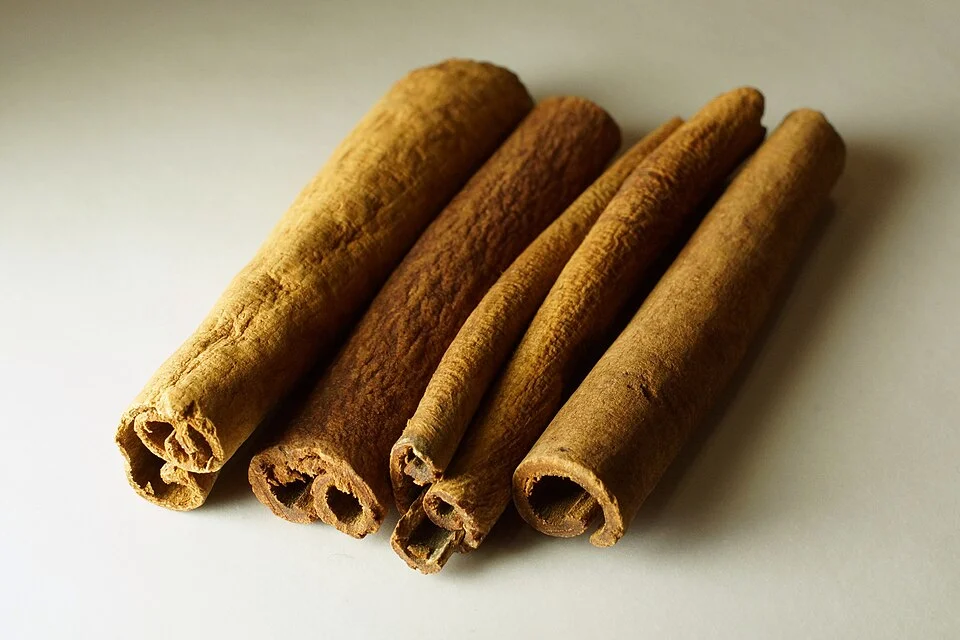
The syrup recipes differ in the stage at which the rum is added. In Manual de Cocina II, a little lemon is added to a syrup of sugar and cinnamon, and white rum is mixed in once the syrup has cooled completely.
In Pinita’s version, the rum also goes into the pot from the start, and the syrup is simmered with cinnamon, cloves and lime. After the spices are removed, raisins and prunes are cooked in it, and the syrup is reduced slightly and then cooled. Some of the fruit that has absorbed syrup is set aside to decorate the top later.
Thickening the Poured Milk Cream with Rice or Starch
The milk cream that covers the cake is called atolillo or manjar, depending on the source. The atolillo in El Tiangue del Maíz is a sweet milk dessert in which milk is thickened with cornstarch and flavored with cinnamon and cloves. For pío quinto, it is poured while still hot over the cake already soaked with liquor and syrup. It firms as it cools, so the book’s pío quinto recipe says it is best prepared the day before it is eaten.
The manjar in Manual de Cocina II is made by straining soaked and ground rice through a cloth and cooking the liquid with milk, sugar and cinnamon. A method using rice flour is also given. It is stirred continuously, even after the heat is lowered, so that it does not stick to the bottom of the pot. Adding cornstarch when the thickening is insufficient is an adjustment in this recipe. Manjar made with rice and atolillo made with maize starch both cover the baked cake and form a milk layer on the chilled dessert.
Pinita’s atolillo includes egg yolks in addition to cornstarch. Starch is dissolved in part of the milk, egg yolks are mixed separately into more milk and added to the pot, and the mixture is thickened while being stirred. After it is poured over the syrup-soaked cake, ground cinnamon and the reserved raisins and prunes are placed on top, and the dessert is cooled and served. With a spoon, you can scoop up the soft milk layer on the surface together with the syrup-soaked cake beneath. The amount of dried fruit in each bite also varies with how the top is decorated.
Elsewhere in the report, atolillo itself is also listed, described as a dessert in which milk is set with starch.
Home records also preserve cues for cooking atolillo. In the sisters’ recipe, the egg yolks are blended with part of the warm milk before being returned to the pot, and the mixture is stirred until it thinly coats the back of a spoon. After the pot is taken off the heat, the cinnamon stick is removed, and the atolillo is spread over the cake and refrigerated. This household gives at least 2 hours of refrigeration as a guide.
Sopa Borracha, Made with a Liquor Syrup, and Where the Names Divide
In his 1971 report, Guerrero Lejarza records marquesote cut into diamonds and topped with a syrup of prunes and spices to which a distilled spirit has been added as sopa borracha. Immediately afterward, he writes that adding cornstarch atolillo to sopa borracha makes pío quinto. The clue for telling the two desserts apart lies in the step of layering milk cream over the marquesote after it has absorbed the syrup.
El Tiangue del Maíz gives pío quinto and sopa borracha as separate recipes. Both contain marquesote and a liquor-laced syrup, and the pío quinto is finished with atolillo. The same collection also has marquesote bañado, in which marquesote is coated with whipped egg white and sugar and left until the surface sets. The same baked cake takes on different finishes: it becomes a base that absorbs syrup, or it is coated in egg white and eaten slice by slice.
This difference also shows in the names used at points of sale. Ángela Norori of Monimbó, Masaya, took part in a sweets event in Managua, where she sold pío quinto in cups and displayed sopa borracha as a separate product. The Ministry of Education’s cultural map introducing Granada also lists the two as separate desserts. The Ministry’s vocational manual also has a photograph of pío quinto in which the layers of cake and cream are visible through the side of a clear cup, with dried fruit on top.
A Christmas Dish, a Slice from the Market, and a Grandmother’s Flavor
In a 2016 contribution, the writer Sergio Ramírez presented pío quinto as a dessert served on Christmas Eve in Nicaragua. In his description, maize marquesote is soaked in syrup and distilled spirit, topped with an atolillo of cornstarch and egg, and decorated with raisins and prunes. His account conveys what the dessert served at the end of a meal at home looks like, along with what kind of cake is baked and what is used for flavoring. Ahead of Christmas and the New Year, markets also sell marquesote, the base for such desserts.
At Managua’s Roberto Huembes market, in November 2023, as the year-end approached, marquesote was sold by the whole cake, by the half and by the slice. The market report says the baked cake is in particular demand around the Gritería season celebrating the Virgin, on Christmas Eve and at New Year. A buyer can purchase only the base at the market and prepare a preferred syrup and cream at home. The ways of selling offer choices both for households that serve it several times during the festive season and for buyers who want to try just one slice.
It can also be found in markets in other seasons. In a report from around the start of Lent, Maricela Zúñiga of a confectionery shop called "La Granadina" said that they had pío quinto, candied pumpkin, cajeta and other sweets ready and were waiting for customers. This testimony shows that makers were selling the dessert even during Lent, well apart from the December season when it appears on the table. Together with the record of bases alone being sold in year-end markets and the example of the Monimbó maker who sold the finished dessert in cups, it shows that the dessert can be obtained in different forms both in the kitchen and at the point of sale.
A writer from Granada recalls the pío quinto eaten at the writer’s grandmother’s house as a sweet, well-moistened dessert, scented with cinnamon and containing raisins. After the grandmother died, the sisters researched the recipe, soaked cake with syrup, layered it with milk cream and fruit, and served it to the family. The father said the rum could be a little stronger, while other family members were surprised at how closely it resembled the flavor they remembered. The flavor that family remembered included not only the moistness of the syrup and the fruit on top but also the strength of the rum.
When the sisters made it, they adapted a recipe printed in a Managua newspaper. The grandmother had used a store-bought pound cake containing raisins; the sisters substituted a cream pound cake that they were able to get. Each cut slice was moistened with syrup and laid in two layers in a heatproof dish, and milk thickened with egg yolks and cornstarch was poured over the top. When the dish is served, the stacked layers of cake can be cut out together.
In cookbooks and educational materials, the name pío quinto is also written "Pío V." The Roman numeral V corresponds to quinto, Spanish for "fifth." A 2016 glossary from the National Autonomous University of Nicaragua gives an account that the dessert, served at a reception welcoming a governor in 1566, was named after the pope of the time, Pius V. Ramírez also links it to a dedication to the pope, in his piece introducing Christmas desserts. No contemporary document describing the occasion of the naming could be confirmed, so this origin can be read as a story handed down later.
What the 1971 technical report confirms is the dessert’s name and what combination of ingredients was then called pío quinto. Guerrero Lejarza’s interest lay in techniques for processing maize into foods, and he recorded a cake baked with pinol and a milk dessert thickened with cornstarch as separate items. Made into pío quinto, those two processed products come together in one dish. Current recipes include ones that bake the cake with wheat flour or thicken the milk with rice; even where the same name is used at the table, the flour or starch the maker chooses differs.
Glossary
- Marquesote (marquesote, marquezote)
- A baked batter made with beaten eggs. In Nicaraguan recipes, pinol, a flour of ground toasted maize, is added. It is also used as the base for desserts soaked in syrup.
- Pinol (pinol)
- A flour of ground toasted maize. Some marquesote recipes use it, and depending on how finely it is ground, it is also used in other dishes and drinks.
- Miel (miel)
- In pío quinto recipes, the name refers to a syrup made by dissolving sugar in water and boiling it. Spices are added, and it is soaked into the cake together with liquor such as rum.
- Atolillo (atolillo)
- A sweet in which milk is thickened with cornstarch or the like. In pío quinto, it is used as the topping.


