


SweetloreEncyclopedia of World Sweets (834)

Elaneer Payasam
Elaneer payasam
Young Coconut Water and Flesh in a Sweet Bowl
Desserts / Kerala, India

A freshly cracked young coconut holds clear water and, clinging to the inside of the shell, white flesh. Elaneer Payasam is a South Indian sweet that uses both. In Kerala it is also called Karikku Payasam. When the flesh is blended with water, it spreads smoothly through the whole dish once milk is added. When chopped flesh is stirred in afterward, soft small pieces touch the tongue even as the liquid is sipped.
Although all versions take the water and flesh from young coconuts, they diverge on whether a pot is used afterward. Some cooks reduce milk and condensed milk before adding them, some stir blended flesh into chilled milk, and some pour in coconut milk as it is. Another method melts jaggery and fries it with the flesh. The flavor of the young coconut stays at the center of the same glass or bowl, but the form the flesh takes in the liquid depends on what is done after it is taken out.
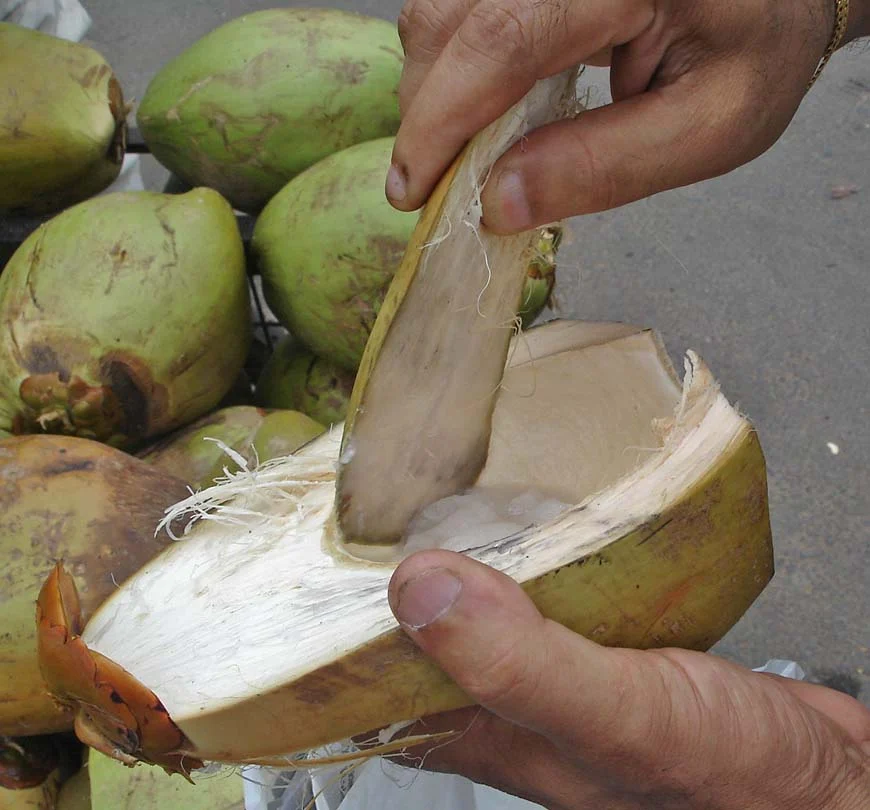
Taking the Water and the Flesh Separately from One Coconut
Coconut water is the liquid inside an opened coconut. Coconut milk, which is made by squeezing grated flesh with water, is obtained separately. Young flesh is moist and can be scooped with a tool such as a spoon. Mature, hardened flesh is better suited to grating and squeezing. If a recipe’s ingredient list includes both water and milk, the two names may look similar, but the reader can tell that the liquids come from different sources before they go into the dish. Veena’s Curryworld’s version likewise calls for both a part taken from the young coconut and coconut milk.
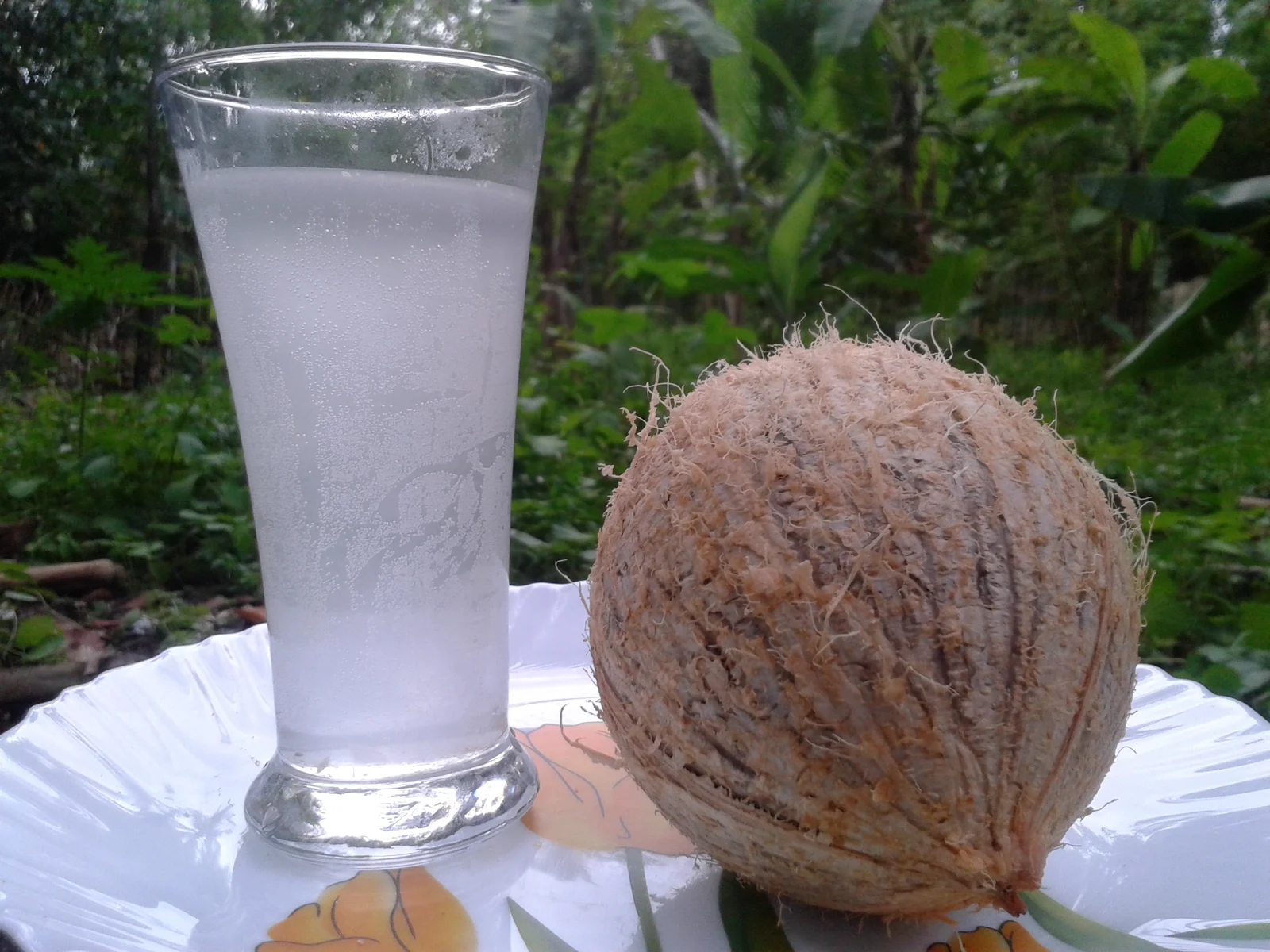
In K. M. Mathew’s recipe in Onmanorama, half of the young flesh is blended with coconut water. The other half is chopped and set aside. The smooth flesh and water are first mixed into the milk base, and the chopped portion is added later. When a spoonful is taken, one portion of flesh arrives together with the surrounding liquid, while the other keeps its shape as a soft garnish. Rather than grinding all the flesh from the same coconut at once, the cook adds it at different points to create two textures.
A home recipe from 2013 leaves some small pieces even when the flesh is blended with the water. It combines condensed milk with chilled milk and also includes roasted cashew nuts and raisins. At serving, more small pieces of flesh can be placed on top. Unlike a version blended until completely smooth, the fineness of the flesh spread through the milk can vary. Dassana Amit’s recipe advises choosing soft, moist young flesh. Besides blending everything until smooth, it also suggests grinding only half and finely chopping the rest.
A Pot in Which the Milk Is Reduced by Half First
In Mathew’s recipe, milk is warmed in a heavy-bottomed pot, then sweetened condensed milk and sugar are added, and the mixture is reduced to half its volume. The blended young flesh and coconut water are poured in only after the milk has thickened. The reserved flesh is added as well, and cardamom and lightly roasted nuts are scattered over the top. Had the young coconut water been added earlier, the milk would not have been reduced by half at that point. Cooking the milk for a long time and combining the flesh and water afterward lets the base be thick while the finished dish stays liquid. The payasam is said to be served either warm or chilled.
This recipe uses one cup each of coconut water and flesh, two cups of milk, and half a cup of sweetened condensed milk. All the coconut water goes in with the flesh to be blended, so no water enters the milk pot first. The degree of reduction is judged not by time alone but by how much the contents of the pot have decreased. Even after the water from the young coconut is added, the body that comes from thickening the milk first remains in the mouthfeel. Warming is done not only to dissolve the sugar but also because of the amount of liquid to be combined later.
Kavita R’s home recipe reduces 500 ml of milk by half over low heat, adds four tablespoons of sugar, and simmers for only two to three minutes before turning off the heat. Of two cups of flesh, 1.5 cups are blended with one cup of coconut water, and half a cup is chopped. The milk pot is finished first, and then the blended flesh is poured in, along with the chopped flesh and cardamom. The step of reducing the milk is the same as Mathew’s, but there is no step of adding sweetened condensed milk to thicken it. Even among recipes that use cooked milk, the ingredient that builds thickness and the point at which sweetness is added differ.
In the 2013 home recipe, instead of waiting for milk to reduce, chilled milk and condensed milk are prepared and mixed with the young flesh and water. If the mixture is too thick, milk can be added to taste, and the recipe also mentions avoiding too heavy a sweetness. It is served after at least thirty minutes of chilling, so the cooling is done before serving. Between a version that uses a pot so the payasam can be served warm and one that combines cold milk from the start and then chills it further, the point at which the same milk is used differs.
Another Karikku Payasam, presented by the Onmanorama editorial staff in 2020, puts both milk and coconut milk in the same bowl. Milk with sugar is boiled and taken off the heat when it begins to change color, then cooled before the blended flesh and the coconut water are combined with it. Coconut milk is mixed in there, and fresh flesh is placed on top at the end. When both kinds of "milk" are used, one is thickened over heat before the other is added. From this order, a reader can see that the two milky liquids were not cooked in the same way from the start.
No Heat: Combining Coconut Milk
In Dassana Amit’s no-cook method, a heaped cup of roughly chopped young flesh is blended with half a cup of coconut water and sugar. One cup of thick coconut milk and cardamom are mixed in, cashew nuts are used, and some are set aside for garnish. The coconut milk is either a thick commercial product or the thick portion first pressed at home. Even without the work of reducing milk, the thickness of the milk chosen at the start changes the mouthfeel. The time needed to make a cold glass does not include waiting for a pot.
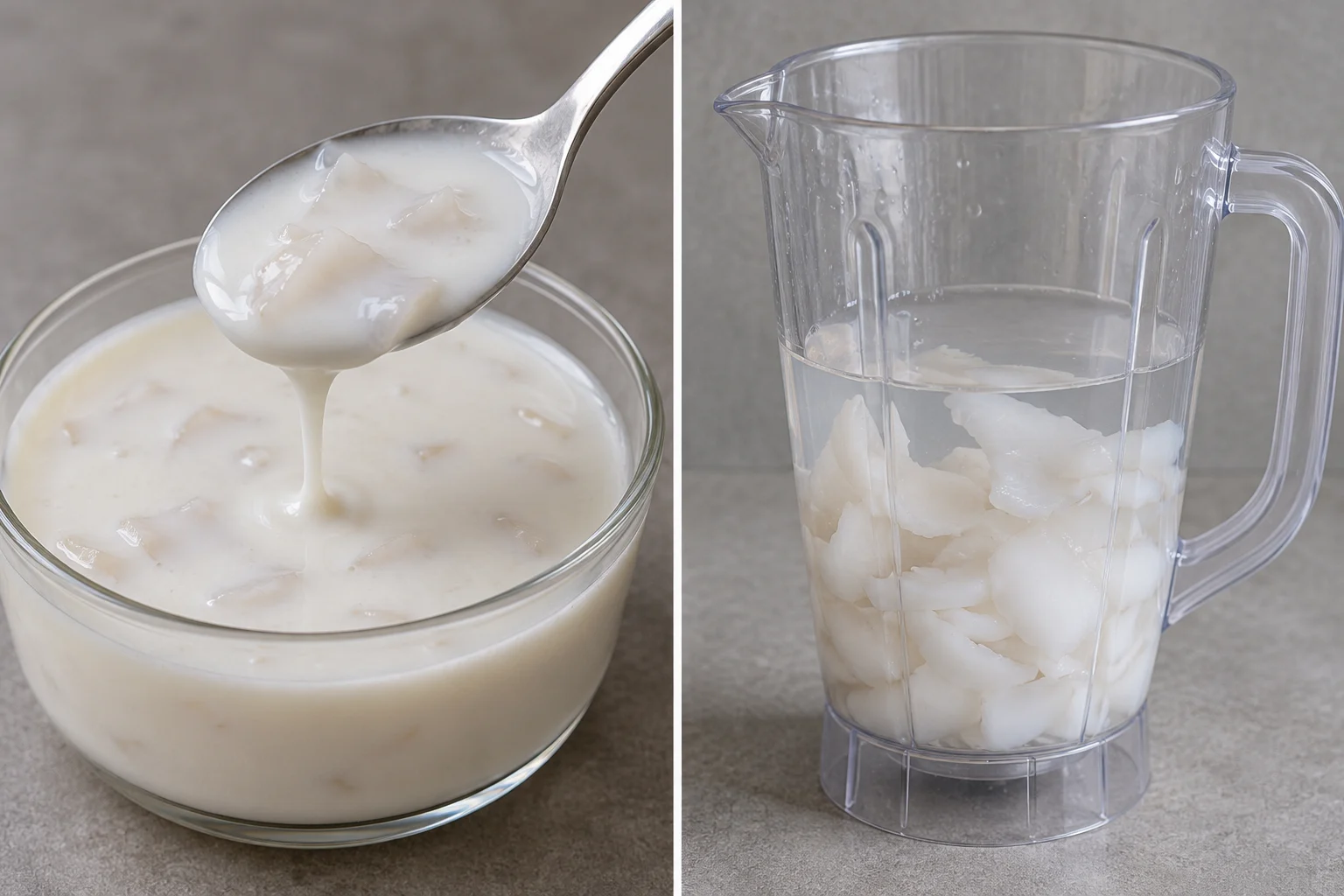
Dassana also gives a variation in which only half the flesh is blended: the coconut water is reduced to a quarter cup, and the remaining flesh is chopped to add texture. If the half cup of water meant for blending all the flesh were poured in unchanged, the proportion of blended flesh would change and that part would become thinner. Soft flesh is blended with the reduced water, and the chopped small pieces are returned afterward. Instead of adjusting by cooking down milk in a pot, the cook can vary the thickness of the dish through the amount of flesh blended and water used.
When cow’s milk is used, the aroma of added condensed milk or of cooked milk also goes into the dish. In the coconut milk version, the flesh, water, and pressed milk are all taken from coconuts. Dassana’s recipe contains no dairy, whereas under the same name there are households that use milk and condensed milk, and households that fry nuts in ghee before using them. The color of the dish alone does not show what the base is, so the ingredients must be checked to know whether milk or nuts are included.
Melting Jaggery and Thickening with Rice Flour
In MaherBan’s version on DineTable, jaggery is dissolved in water and strained. In a separate pot, ghee and young flesh are stirred together for about five minutes, the syrup is added, and the mixture is stirred for about eight minutes more. Once the jaggery has been absorbed into the flesh, one cup of coconut milk is added first. Rice flour is dissolved in a small amount of cold coconut milk and added to that pot through a strainer. When it comes to a boil, two more cups of coconut milk are added, the mixture is cooked while being stirred, and cardamom is put in. Unlike the recipes that reduce milk, here the milk is added after the flesh has been blended into the sugar syrup.
Jaggery is a sweetener made by boiling down the sap of sugarcane, palms, and other plants, and it appears together with young coconut, milk, and cardamom in Kerala Tourism’s introduction. Compared with a white base made of milk and condensed milk with sugar, the place where sweetness enters and the source of color and aroma are different. Because DineTable’s recipe also adds rice flour, the thickness is not determined solely by how far the young flesh is blended. The preliminary step of loosening the rice flour in cold milk leads to the thickness achieved in the hot pot.
In DineTable’s recipe, coconut pieces and cashew nuts are browned lightly in ghee in another frying pan, and raisins are added. Because these are returned to the finished base, the dish contains both the young flesh heated in the syrup pot and the coconut fried in the final fat. It is said to be served warm or cold. The 2013 home recipe also fries cashew nuts and raisins in ghee, but combines them with chilled milk. Which pot the coconut is cooked in changes where the cardamom-scented liquid and the pieces that meet the teeth overlap.
The Onam Table and a Cold Summer Bowl
Payasam is the name of a sweet used in South India, and there are other payasams in which rice and other ingredients are simmered. Dassana describes Elaneer Payasam as the equivalent of a kheer made with young coconut. Onmanorama lists sweets such as palada and ada pradhaman, while presenting the young-coconut version as an option for the Onam table in Kerala. DineTable’s jaggery version is also given as a recipe for the festive sadya. In 2016 the same paper also named an easy karikku payasam, which can be served warm or cold, among the cooking videos that were widely viewed. A festival includes several sweets, and even under the same name, payasam can feature rice, a milk-rich liquid, or young flesh as its main component.
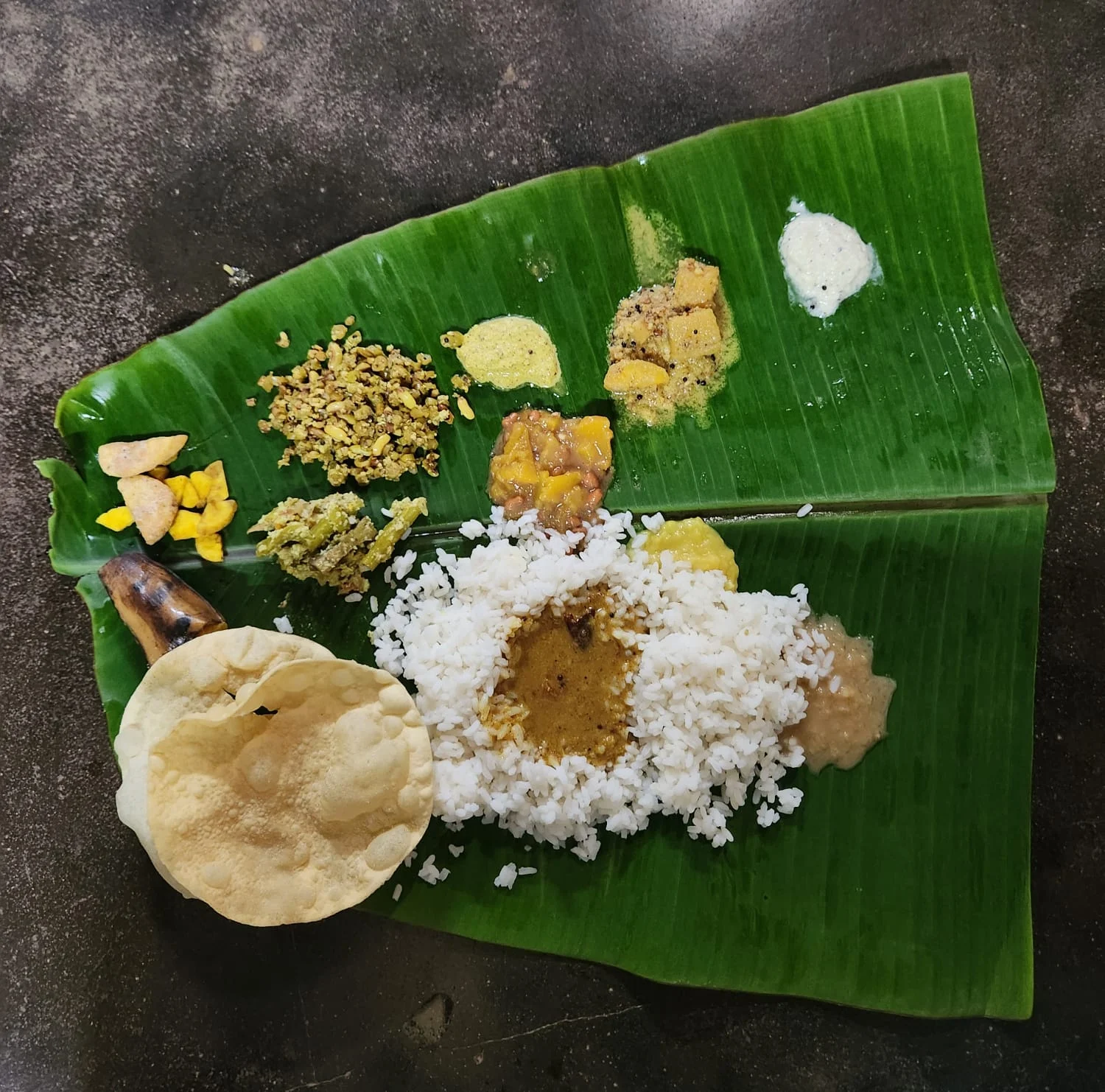
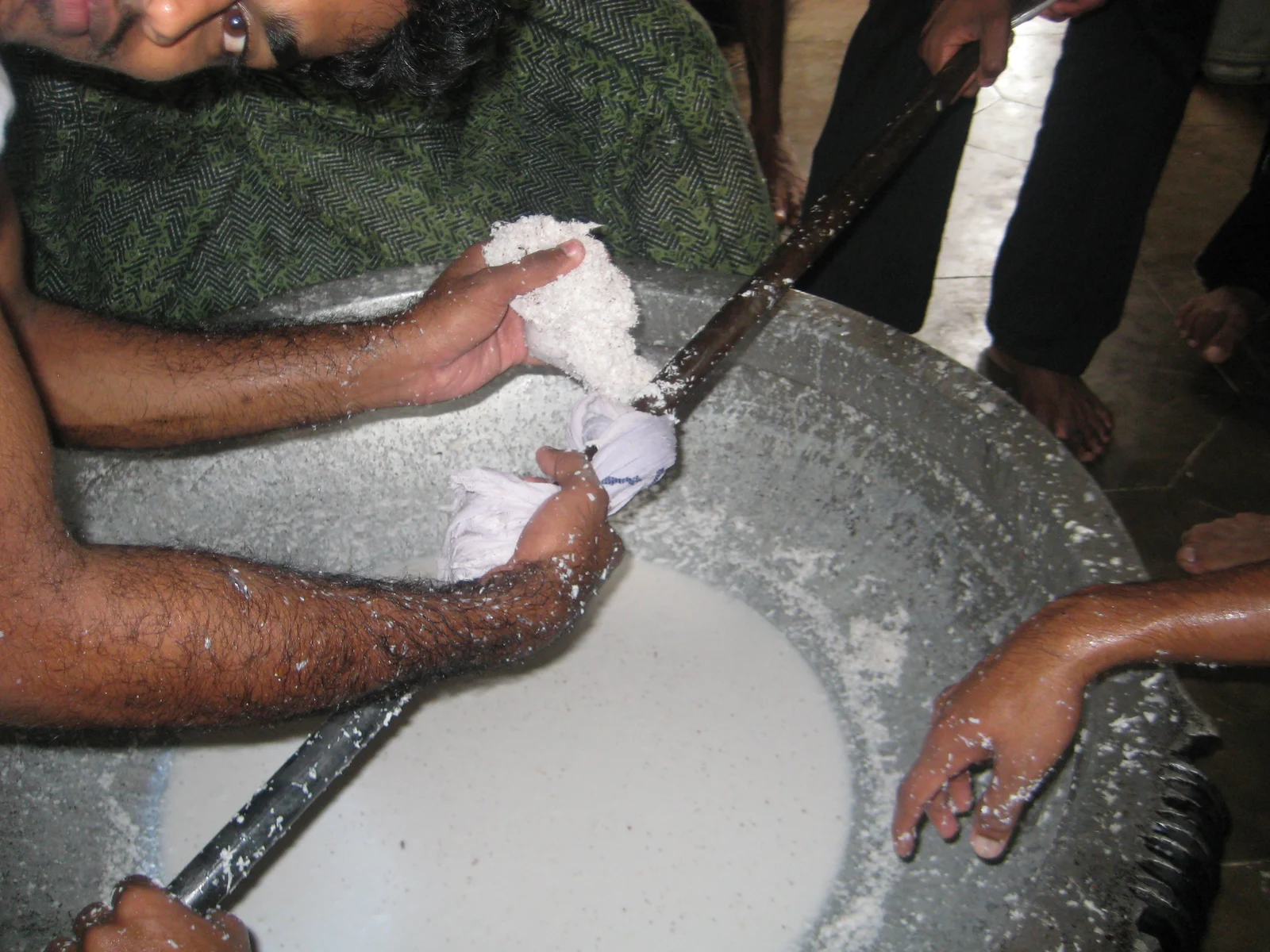
A photograph of hands extracting coconut milk for payasam was also taken as part of Onam preparations. The water obtained by cracking a young coconut comes from the inside of that same coconut. For the milk, separate flesh is grated and squeezed with water. Even on a day when dishes are laid out on banana leaves, what cooks recommend is not always only the sweet made with young flesh, and the ingredients prepared first and the number of pots used vary with the payasam chosen.
Besides the young-coconut payasam, Kerala Tourism presents a pudding that sets young coconut water and milk with agar. Even the work of chilling has two forms: setting a dish in a mold, and eating a flowing sweet at a low temperature. The 2013 home payasam, served chilled in summer, still flows while leaving small pieces that can be taken on a spoon. In the Mathew and Kavita versions, which can be served warm, the blended flesh is mixed into the reduced milk, after which the temperature can be chosen. Sweets using young coconut appear both on festival menus and as an everyday cold glass.
The publicly available home recipe from 2013 shows that by that year a method of blending coconut water and flesh and serving the result chilled had been recorded. These recipes and festival guides contain no source that identifies the first maker or the time when the present proportions were settled. Returning to the cracking of the young coconut, the water loosens the thickness of the milk, and the flesh left partly intact conveys, even in the liquid, the softness that fingers or a spoon could lift out. That what was taken from the same fruit was divided into two treatments can be seen within a single serving.
Glossary
- Payasam
- The name for a type of sweet used in South India. Its ingredients and liquids come in many combinations.
- Coconut water
- The liquid inside a coconut. It differs from coconut milk, which is squeezed from the flesh.
- Jaggery
- A sweetener made by boiling down the sap of sugarcane, palms, and other plants.
- Sadya
- A festive meal of Kerala. Some sources link the Onam table with young-coconut payasam.


