


SweetloreEncyclopedia of World Sweets (834)

Mustikkakukko
Mustikkakukko
Forest bilberries enclosed in a rye lid
Pies / Finland, Savo region

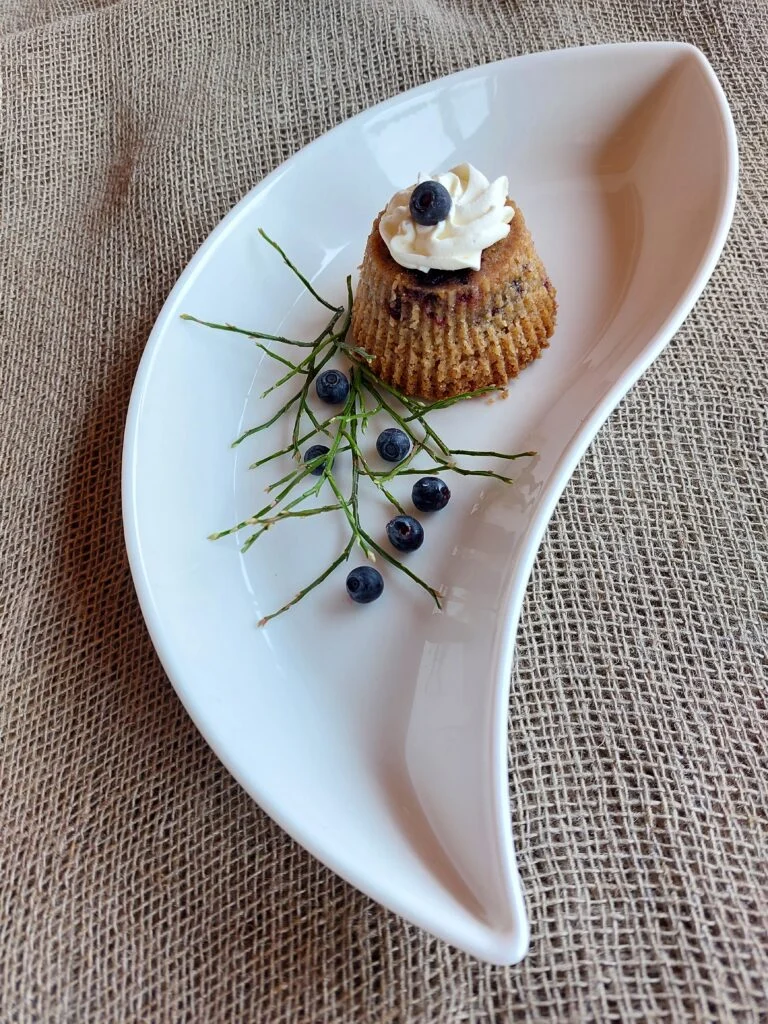
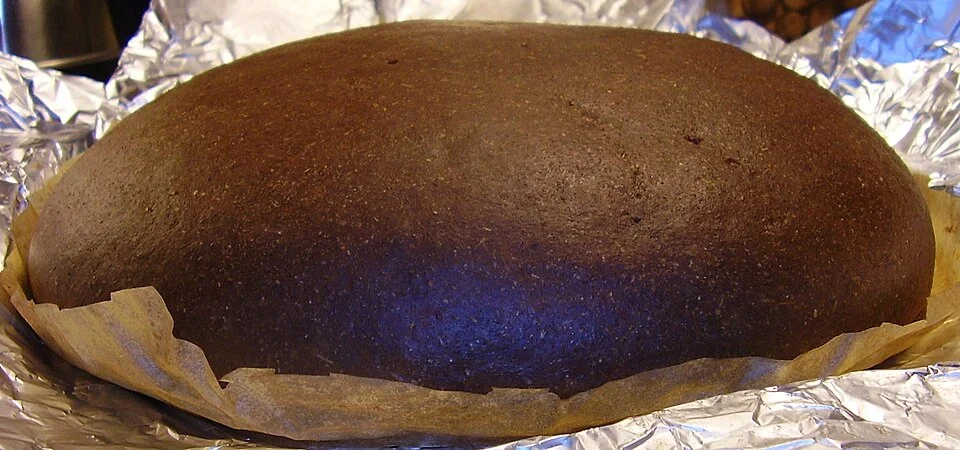
Put a spoon into the rye crust and the pale brown lid cracks, revealing deep blue-violet juice. Mustikkakukko is a baked sweet from Savo in eastern Finland, in which wild bilberries from the forest are enclosed in rye dough. A dish of berries is closed with a lid of the same dough and baked. Each spoonful holds a grain crust that crumbles softly and berries that still release juice after cooking. In North Savo it is also called rättänä. It is a home sweet made with summer berries, and it can also be baked in individual molds and served with coffee or after a meal.
Forest Fruit Stained Blue-Violet
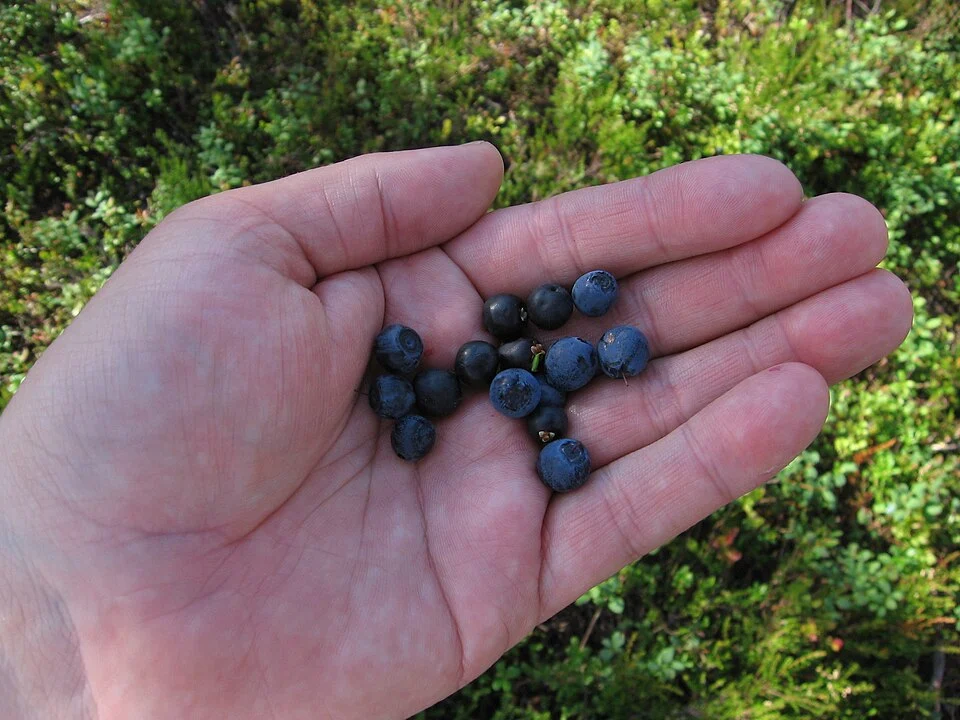
The Finnish mustikka is the wild bilberry (Vaccinium myrtillus). Whereas cultivated blueberries of North American origin often have pale flesh, this berry is deep blue-violet all the way through. Its juice is dark enough to color the crust, and it contains anthocyanins from the flesh. The picking season given by a Finnish wild-food association runs from about mid-July in the south to about early September in the north. A North Savo rural women’s association lists rättänä as a summer sweet made in years of good harvests. The small berries that fill a single mold in the kitchen are, first of all, picked in the forest.
A document submitted to the EU cites the background of berry gathering and rye growing in Savo. On land with slopes and clearings among the woods, the forest was also used for hunting, fishing and berry picking. Slash-and-burn cultivation, in which rye was planted on land where trees had been felled and burned, was practiced in eastern Finland, and the document states that the rye grew well. This shows that the conditions for enclosing berries in a flour crust were in place, but this description of everyday life does not reveal the year in which the sweet was first baked.
At the Telkkämäki heritage farm in Kaavi, North Savo, Metsähallitus, which manages state-owned land, has recreated slash-and-burn farming by traditional methods since 1993. The rye is sown in August, overwinters in the field, and is cut with a sickle in the autumn of the following year. The dried sheaves are threshed in a threshing barn to separate the grain. Seed of Kaavi origin is also preserved as a genetic resource. Unlike the small forest berries that can be harvested in summer, the grain that becomes the crust required work in which the crop was left to overwinter on the same land before being cut.
Before summer begins, berries frozen the previous year can also be used. The rural women’s association advises increasing the potato starch slightly, since it absorbs moisture when frozen berries are used. Fresh berries keep their shape and are easy to see when put into the mold, whereas frozen berries may release juice while thawing. Before the berries are put in and the lid is closed, the amount of starch to add can be decided by looking at how much juice there is. Because this is a sweet whose lid is opened for the first time only after baking, how the moisture is bound is a task to be dealt with when filling.
Standing the Dough up the Mold’s Edge and Closing the Lid
In the North Savo rural women’s association’s example for 10 servings, 400 ml of rye flour is combined with 100 ml of barley flour and mixed with 250 g of soft butter or margarine, together with sugar and baking powder. The dough is chilled for at least 1 hour. No water or egg is added separately; the dough is held together by the moisture in the fat. Rye is the main flour, and the small amount of barley is added partly to give a texture that breaks softly when a spoon is put into the lid. In the EU specification, barley flour is an ingredient used as needed, and the association also gives a method using rye alone.
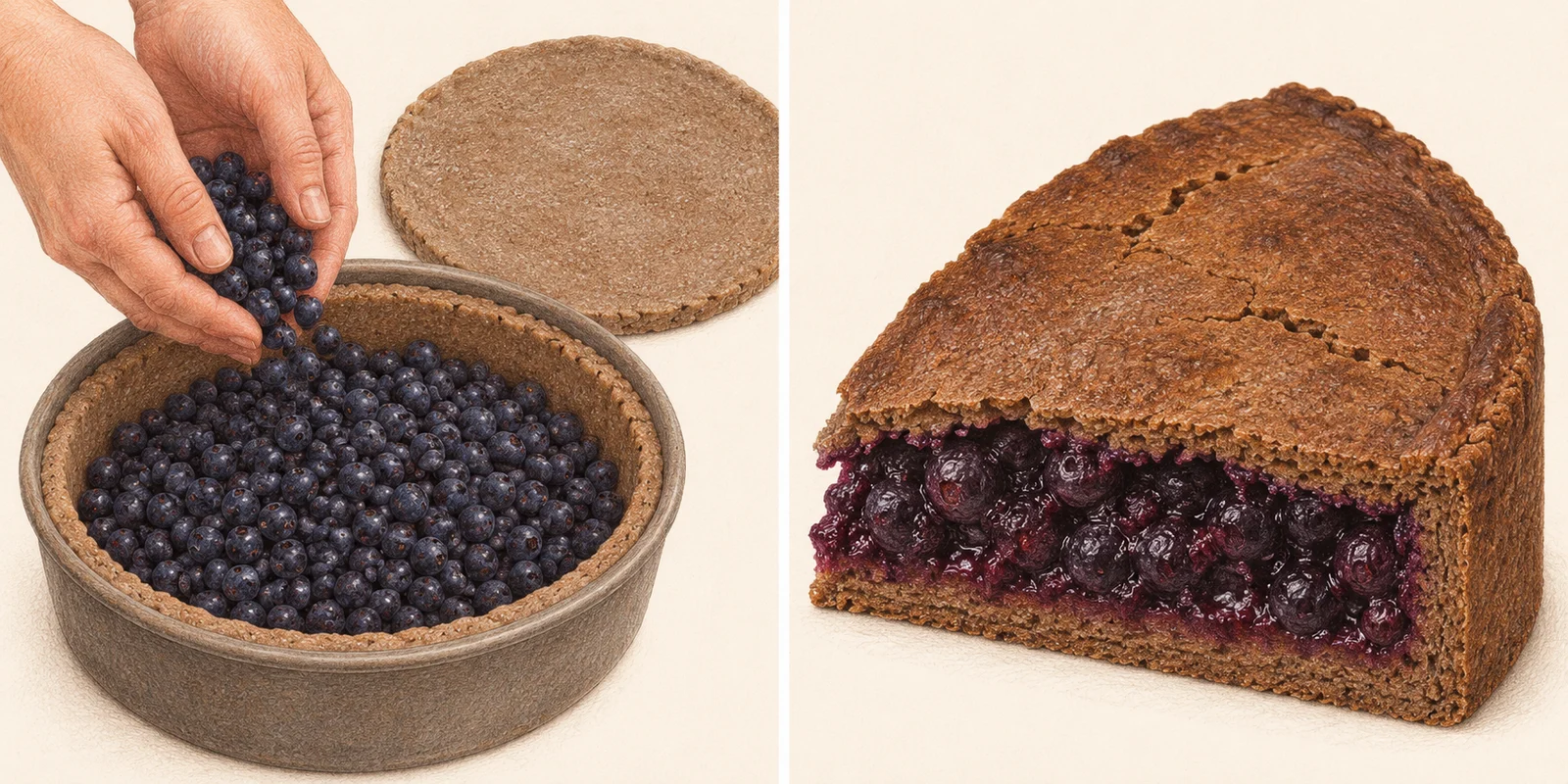
Take about two-thirds of the chilled dough and press it out with the fingers from the bottom of the mold up the sides. Dough is left in the corners of the base as well, and a wall is raised so that the berries do not escape to the sides. The example in the application document uses about three-quarters of the dough to cover the mold. Set aside the amount of dough for the lid first; for a large lid, the dough can be sandwiched between two sheets of cling film and rolled out to the outline of the mold, as the rural women’s association does. Another method is to press the dough out directly with floured hands. The thinned dough is lifted and transferred without stretching it, then pressed to the rim of the mold holding the berries.
An example that keeps the berries whole combines 1 liter of berries with 100 ml of sugar and 2 tablespoons of potato starch. Methods using crushed berries or jam also exist. The juice that comes out of the berry skins thickens as the starch holds water when heated, so after baking it can be scooped up together with the flesh. If the berries are crushed, or if sugar containing pectin for jam is used, the mouthfeel differs from a result in which some whole berries and flowing juice remain distinct. Once the lid is closed, the top, which receives the oven’s heat, takes on a light color, while the inside is in contact with the juice. The dough of the base, sides and lid cooks while holding the moist filling inside the mold.
The EU specification gives 170–200 °C for about 45–60 minutes. The rural women’s association’s recipe gives about 45 minutes at 200 °C as a guide, and allows the oven to be lowered to 180 °C once the surface begins to color. A home-cooking example from Kinuskikissa uses a 15 × 22 cm pan at 200 °C for about 35 minutes. That dough adds barley or wheat flour and also uses vanilla sugar. What can be observed while watching the time is the color of the surface and the closed shape. Even at the same temperature, if the thickness of the base and lid, the shape of the mold and the amount of fruit differ, the filling will not necessarily be done in the same time.
In Kinuskikissa’s example using a mold with a rim, the fat is applied not only to the base but also to the rim, and the remaining dough is pressed onto the berries once they are spread out. There is no instruction to bake the base first, so the lid and the base finish together while in contact with the juice. If the crust crumbles from a thin part of the rim, only the berries come out first. At the point where the crust is closed, this takes the same form as the method of placing small pressed-out pieces of dough on the berries and the method of stretching a large lid to the edge and laying it over them.
A Day to Share One Dish, and a Day to Bake in Small Molds
A sweet baked in a large mold is served by the slice onto plates, while a small mold can yield an individual portion as it is. The rural women’s association shows a method of fitting rounds of cut dough from the bottom to the sides of small heatproof dishes or cups. When the sweet is to be turned out of the mold, a low shape is baked in a silicone mold or similar. When several small dishes are used, each one needs dough for its sides. Because the base, wall and lid must be allotted from the same amount of dough, the association’s example allows somewhat fewer berries than when baking in a large mold. The specification also recognizes individual-portion molds suited to shops and restaurants.
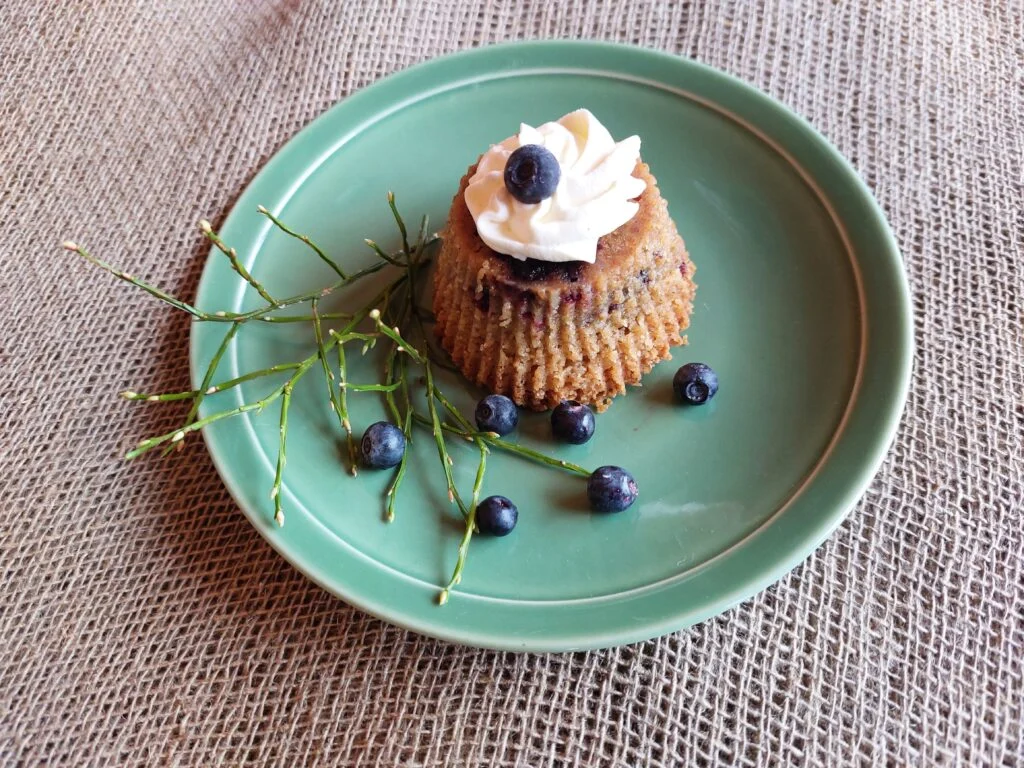
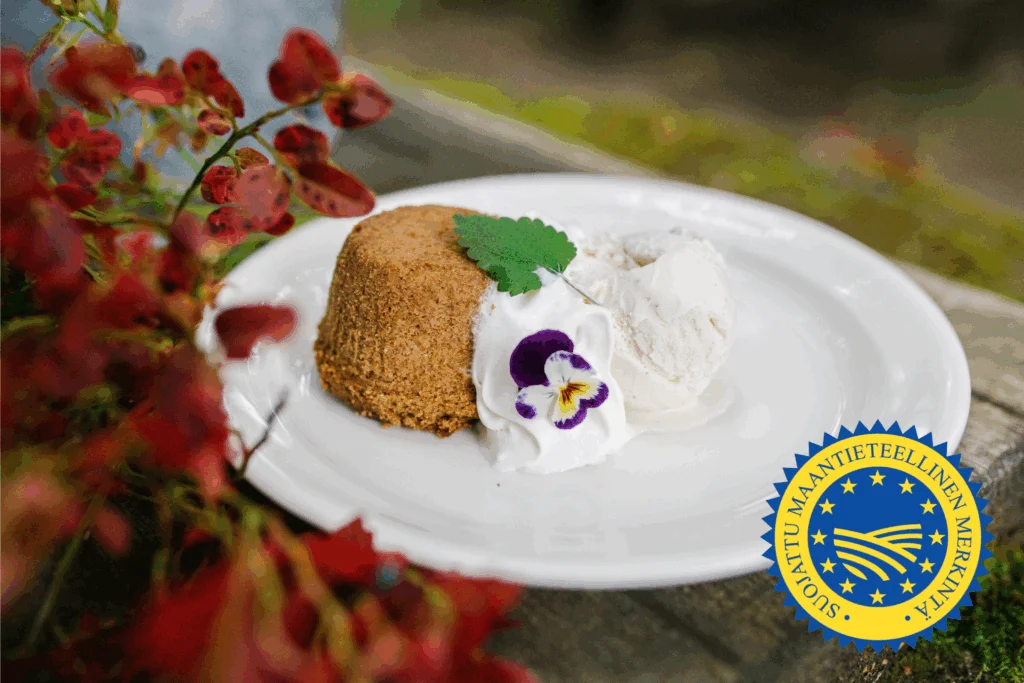
In a recipe that puts sugar in both the crust and the filling, the sweet, fragrant crust breaks first and the berries’ acidity follows. Kinuskikissa’s recipe uses less sugar on the berry side and flavors the crust with vanilla. Ice cream, whipped cream or vanilla sauce is served with a slice after baking. Cold ice cream adds a contrast in temperature, and sauce adds a flavor that soaks into the broken crust, in a single spoonful. Because the berries are enclosed and baked, and the dairy is kept separate until it reaches the plate, the diner is left to decide which part to combine first.
The rural women’s association recommends eating it slightly warm. If it is carried to the table in its mold, the moment when the lid breaks and the juice appears is transferred to each person’s plate. Ice cream served alongside melts gradually in the warmth of the crust and berries, which have just finished baking. A staff member of the regional council who presented a North Savo school project also said that she usually eats this sweet with ice cream. After the maker has enclosed the berries, the person eating opens them and adds the dairy.
Passing On Rättänä by Its Local Name
The South Savo food-culture survey cites, as an early use, issue no. 29 of the magazine Nuori Suomi in 1906, page 8, in a passage discussing another literary work. A document that carries the name shows that it was already called by that name at the time. A 1981 book on the food culture of North and South Savo and Bertta Räsänen’s 1985 cookbook leave records of its being treated as a local dish in the latter half of the 20th century. For Mikkeli, the document submitted to the EU cites a 1984 selection of local dishes, while the food-culture survey points to a list from 1986 on which it appears as a dish of the Mikkeli rural municipality, and says it cannot be confirmed in earlier lists. In 2024, the local newspaper Länsi-Savo also discussed how far back the tradition in Mikkeli and South Savo can be traced.
The North Savo rural women’s association has an account that when Räsänen popularized the dish in the 1970s, it was described as homely, and as coloring the teeth with the berries’ color. The association writes that this rättänä later also appeared in restaurants outside North Savo. In 2025, to coincide with a regional food day, the North Savo Regional Council started a project in which grade 8 pupils in basic education bake it in home economics lessons using local ingredients. Participating schools were sent baking molds in addition to the ingredients and recipe, and at the time of the announcement 14 schools and more than a thousand pupils were taking part. In addition to old home kitchens, regional cookbooks and cultural events, schools too now offer a place to learn, one pupil at a time, how to press the dough into a mold and enclose the berries.
The Savo Lid and the Open Pie of a Neighbouring Region
Savo’s kalakukko encloses fish and pork in a single sheet of thick rye dough, baked briefly at high heat to set the surface and then for a long time at low heat. It also became a packed meal for people working in farming and forestry. Mustikkakukko encloses the berries in a separately made base and lid, and uses a mold. Although both share the form of rye surrounding a filling, in the portable fish dish the sturdy crust serves as an outer case, whereas in the berry sweet the crust, made with sugar and fat, is broken apart and scooped from the plate together with the berries.
In Kainuu’s rönttönen, the rim of a small rye base is raised but the center is left open, and a filling made with cooked potato, rye flour and lingonberries is shown. This potato gives the filling its volume and mouthfeel. The potato starch added to mustikkakukko is a flour matched to the juice released by the main ingredient, the bilberries. When the North Savo rural women’s association replaces the bilberries with lingonberries and encloses and bakes them in the same way, it calls the result puolukkakukko. Even with the rye dough of the same region, the type of fruit and whether the lid is closed remain in the name and in the spoonful scooped up.
The Protected Geographical Indication (PGI) that the EU registered in 2025 is “Savolainen mustikkakukko”. All stages of production take place in North Savo and South Savo, the crust is made mainly of rye, and wild bilberries are used. There are round and rectangular forms, and there is no clause separately restricting the origin of the berries. The Finnish Food Authority treats the ingredients, process and location of the production site as matters to be checked. The TSG that protects kalakukko is conditional on traditional methods and characteristics. The name mustikkakukko is tied not only to the closed rye crust and the color of the bilberries but also to the place where it is made.
Glossary
- Rättänä
- An alternative name for mustikkakukko, used in introductory materials from North Savo and elsewhere.
- Bilberry (Vaccinium myrtillus)
- A berry of the heath family (Ericaceae) that grows widely in Finnish forests. Its flesh is also a deep blue-violet.
- Bertta Räsänen
- Author of a cookbook presenting Savo regional cooking. An anecdote about her role in spreading mustikkakukko is preserved by the North Savo rural women’s association.
- PGI
- The EU’s Protected Geographical Indication. For each protected name, it specifies matters such as the processes carried out in the designated area.
- TSG
- The EU’s Traditional Speciality Guaranteed. For each protected name, it specifies the traditional method and characteristics.


