


SweetloreEncyclopedia of World Sweets (834)

Bolinhas
Bolinhas Goa
Small Goan sweets of coconut and semolina, rolled and baked
Baked Sweets / India, Goa

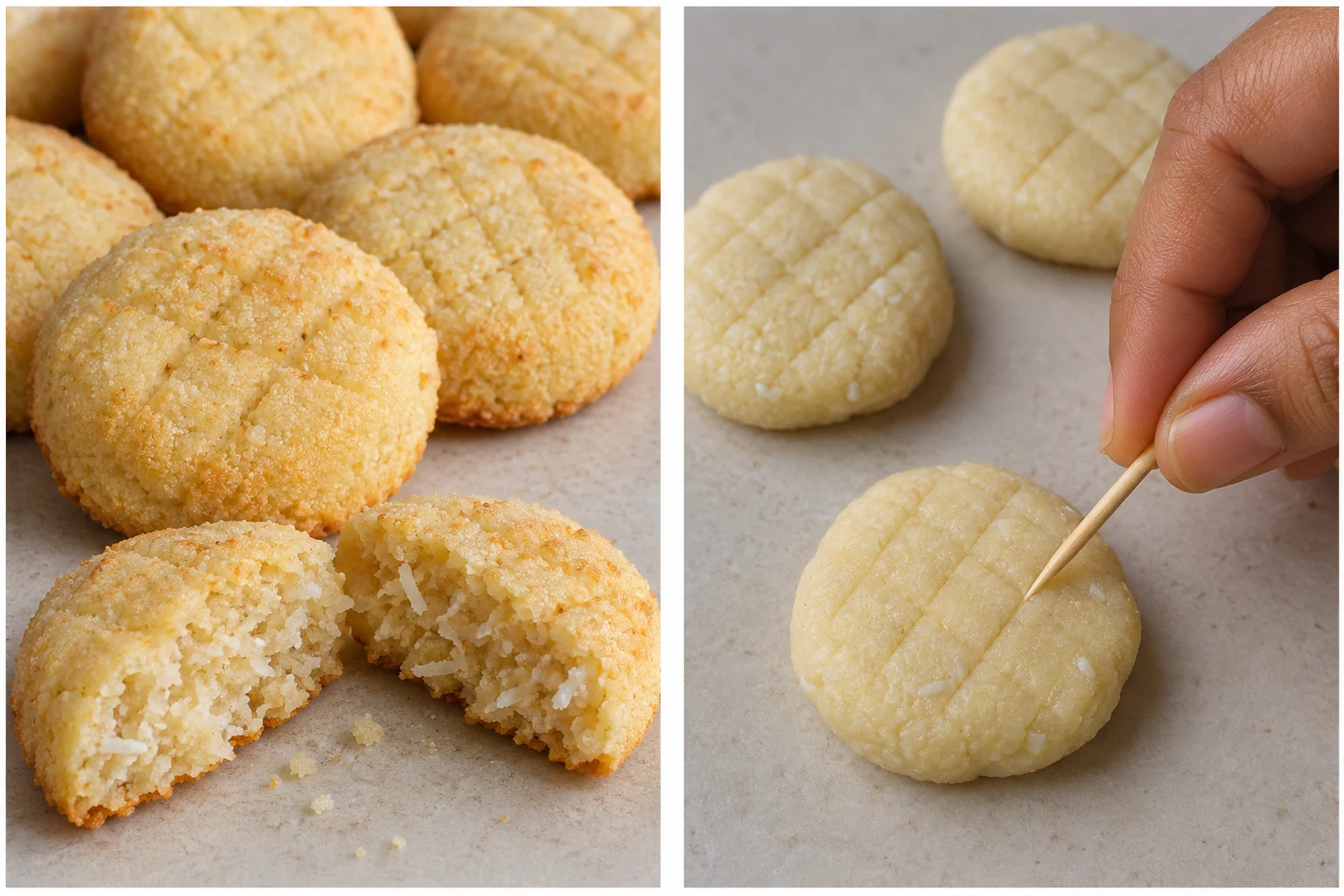
Press a small round of dough down slightly, then either draw a diamond pattern on top with a toothpick or press lines in with a fork before baking. Goan Bolinhas are baked sweets that combine grated coconut flesh and coarsely ground wheat semolina in a single dough. The outside colors lightly, and when you bite in, coconut fibers and fine grains of wheat remain inside. Versions made with cardamom leave the aroma of the seeds after the sweet coconut. In Goa, Bolinhas are placed one at a time in Christmas assortments and served alongside afternoon tea.
Grid Marks Added After Rolling
To make Bolinhas with a lattice, the cook Xanti Pinto takes about a tablespoon of dough and shapes it into a ball on a floured surface. The tool for drawing the diamond pattern on top is a toothpick. If the dough sticks, she dips the tip in flour; if using a fork, she flours it before pressing each line. If the dough is sticky before shaping, it is chilled in the refrigerator for 30 minutes to 1 hour. The flour goes on the work surface and the tools; this is not a method that adds large amounts of flour to the dough at the stage of marking the lines. Rolling the dough and pressing it slightly gives each piece a flat bottom, so the pieces can be spaced out on the baking sheet.
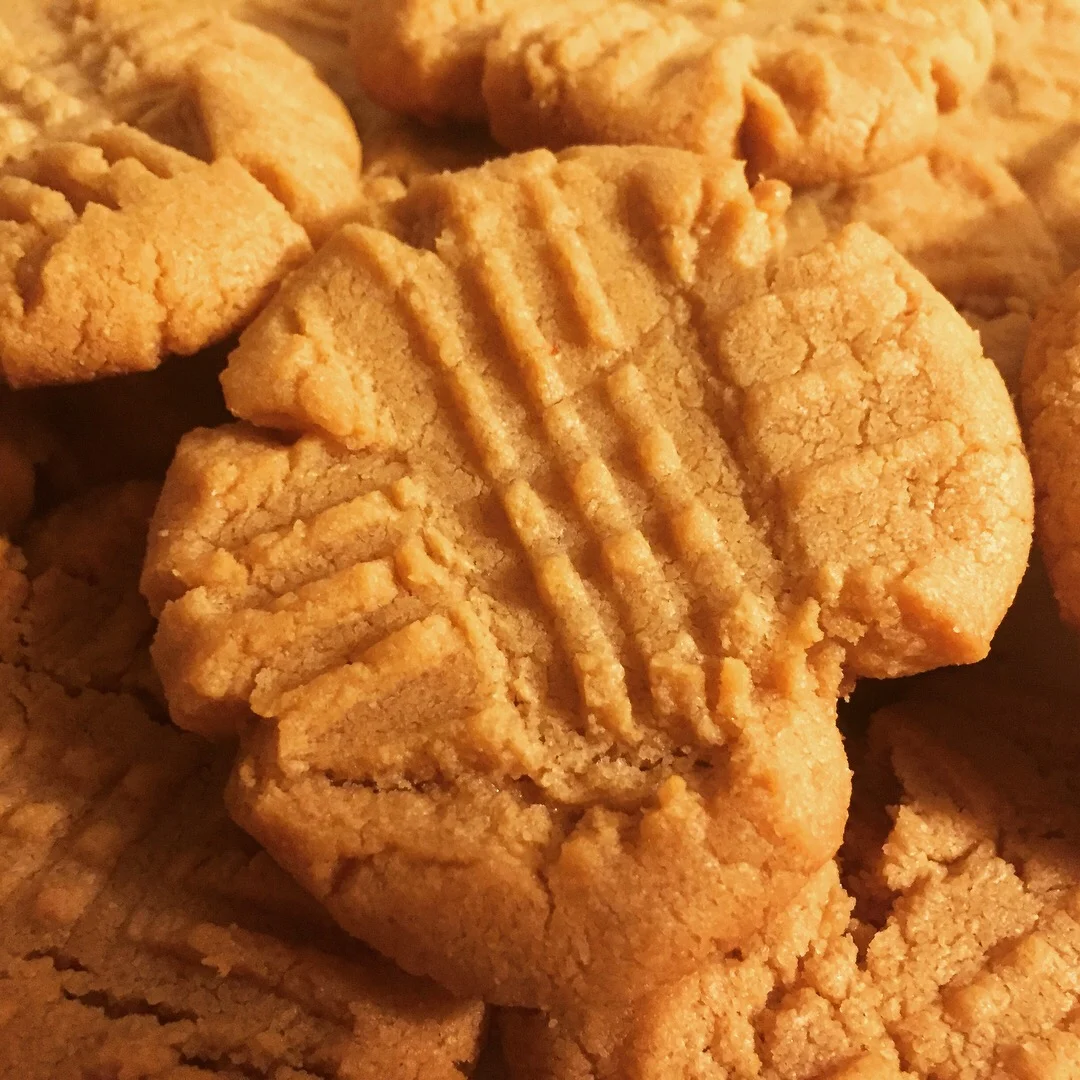
Lines can also be cut crosswise with a knife, and in the Big Fat Tummy example, three parallel lines are made. Celebration in My Kitchen has a version in which a small piece of cherry is placed on dough portioned to about a teaspoon, with no lattice. Whether the lines on top cross, run in a set of three, or are replaced by a red piece in the center is a finish decided after shaping. There is no need to cut portions for the family from one large sheet, since the size can be chosen at the rolling stage. In Pinto’s recipe, taking exactly one tablespoon of dough each time yields about 40 pieces.
A Dough That Keeps Its Grain Under the Bite
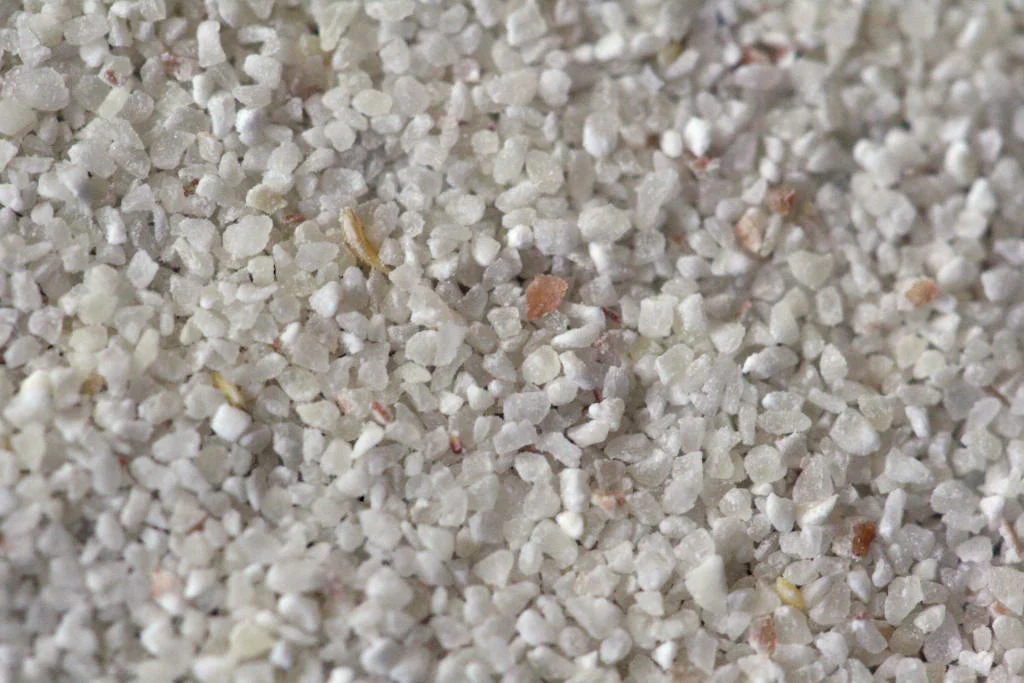
The flour called rava in Goan cooking is, here, semolina, the coarsely ground endosperm of wheat. A Portuguese-language dictionary of Goan cuisine describes two uses: coating the outside of fish or vegetables to give a crisp, fragrant finish, and mixing into a sweet dough to give a grainy texture. In Bolinhas, semolina is mixed throughout the dough, so the lines visible in the lattice on top and the grains visible inside a broken piece have different origins. The lattice is the mark of the hand that shaped the piece, while the grains inside come from the coarseness of the flour itself. The coconut is also not wrapped separately but is distributed through the dough as flesh.
Pinto grates the coconut flesh, grinds it with a little water, and mixes it into a pot of warm semolina. Jessie of Celebration in My Kitchen uses fresh grated flesh and chops the long shreds shorter. Both formulas make the fibers of the flesh more visible than pouring in coconut milk alone would. Finely ground flesh mixes in among the flour as small particles, and in doughs made with shreds, the short fibers give a bit of resistance when bitten.
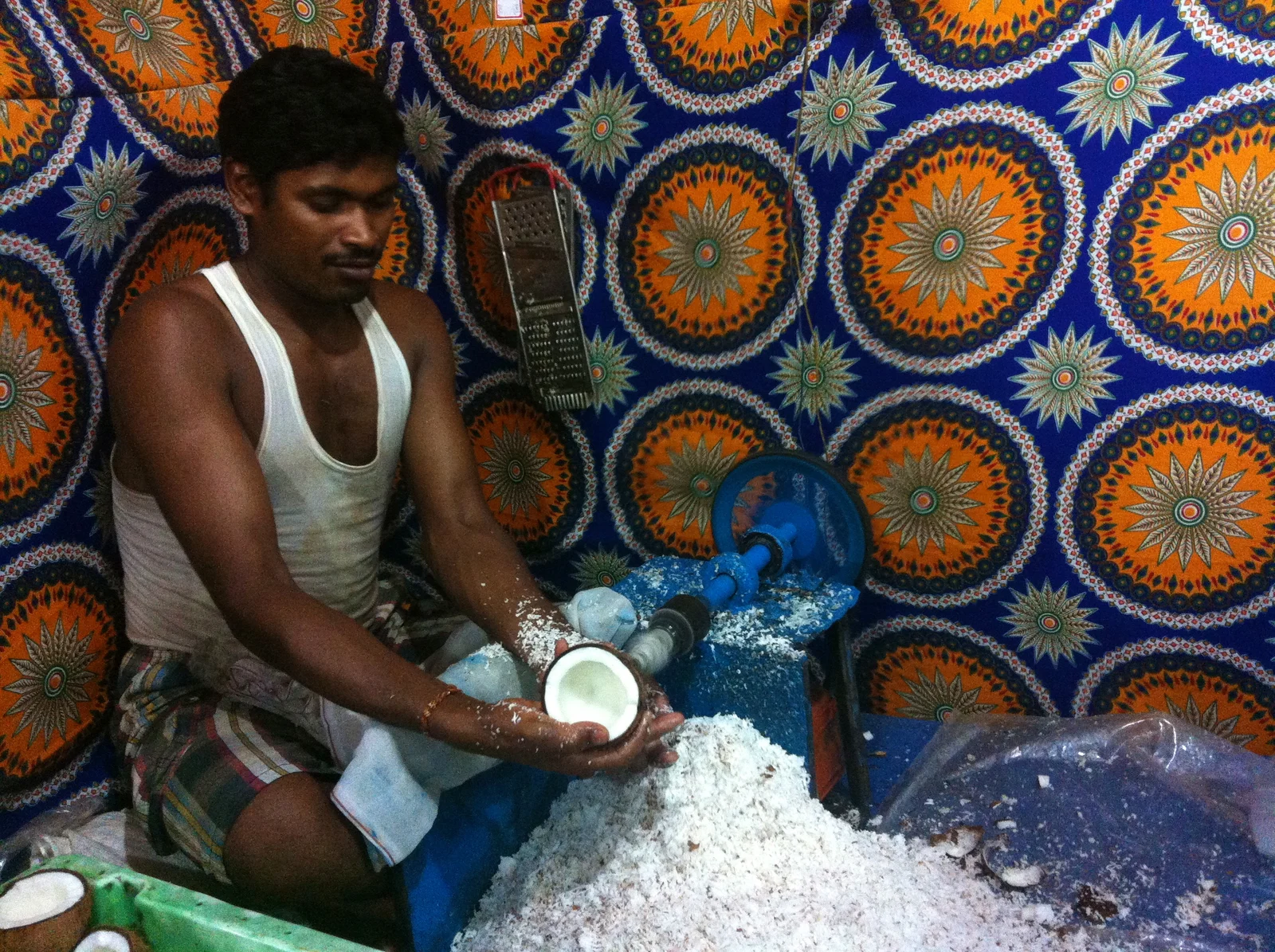
Jessie’s recipe also offers the option of frozen grated coconut or unsweetened dried coconut when fresh flesh is unavailable. Frozen coconut is thawed and drained of excess water, then sugar dissolved in a small amount of water is absorbed into it, and after cooling it is mixed with egg yolks and the other ingredients. The same sugar syrup method is given for dried coconut. Mixing fresh grated flesh in directly and letting the flesh absorb a sugar syrup beforehand change the route by which moisture reaches the semolina. When comparing the “coconut” in different ingredient lists, it helps to look not only at whether it is fresh, frozen, or dried but also at how much moisture it carries before mixing, since that gives an idea of how firm the dough will be when shaped.
Cooling from the Pot, or Mixing in a Bowl
Pinto boils 125 ml of water with sugar, stirs in the semolina, and cooks it over low heat for about 2 minutes. She adds the ground coconut flesh, mixes in salt and ghee or butter, and takes the pot off the heat. The eggs do not go into the pot: the cooled dough is left for 4 to 6 hours or overnight, and then egg yolks and whipped egg whites are mixed in, in that order. Cardamom, fine wheat flour, and baking powder are added afterward in this version. The coarse grains absorb the warm sugar syrup first, and the eggs are added only after the pot is off the heat. Separating the order of mixing keeps the eggs from setting in the heat of the pot and lets them be combined evenly through the dough.
In Jessie’s fresh-flesh version, butter or margarine and sugar are creamed together first, and then the yolks of 4 eggs, the semolina, and the flesh are combined in turn. Cardamom and vanilla provide the scent, and the dough is left for 8 hours. There is no step for adding egg whites or baking powder. Here the grains are given time to absorb moisture within a mixture that contains the flesh and egg yolks. Neither Pinto nor Jessie starts rolling right after mixing; both let the dough rest for a while so that its condition changes, and then portion it piece by piece. According to the sources, these rests can be read as a process of distributing moisture through the grains rather than as time for fermentation with yeast.
The quick version from Big Fat Tummy also warms sugar and water in a pot and adds coconut, semolina, and ghee. After the mixture cools to room temperature, eggs and flour are mixed in, and the dough rests for 2 hours before shaping. A reader on the same page reported that adding a whole egg to a crumbly dough made it too sticky. The author replies with an explanation of the weight of the eggs and of the flour dusted on the hands during shaping. Adding eggs to the dough changes even the core of the formula. Dusting flour only on the surface of the hands helps the dough release while rolling and keeps extra flour from going into the dough.
In the Onmanorama version, the semolina and sugar are 250 g each, and the grated flesh is 1 cup. It uses 1 tablespoon of ghee and 3 egg yolks, and only 1 egg white is whipped. A supplementary wheat flour and a leavening agent are also added. Jessie’s version uses 1½ cups of semolina and 2½ cups of grated flesh, and no egg white. Because one of them mixes weights and volumes, the ratio of flesh to flour cannot be compared directly. Even so, a difference is visible in what is mixed in before rolling: whether the dough is brought together with whipped egg whites and flour, or whether the shreds are left in and the dough is bound with egg yolks and fat.
Color on Top, and Heat That Reaches the Center
Pinto bakes in an oven heated to about 190°C for 15 minutes, and if using the top heat, she turns it on for about the last minute to color the surface. The Onmanorama version also heats from below at about 180°C and switches to the top heat at the end. Jessie allows 50 to 55 minutes at about 150°C and notes that the baking time should be shortened if the pieces are made smaller. Heating from below first allows the time for the base to set and the time for the top to color to be handled separately. In a method that bakes slowly at a lower temperature, the thickness of the portioned dough also affects the time. How quickly the browning develops depends not only on temperature but also on the moisture in the flesh, the amount of egg, and the size of each piece.
Onmanorama describes the cookies as crisp outside and soft inside. The surface facing the oven directly and the base touching the baking sheet take on color, while the inside holds the flesh and the semolina that has absorbed moisture. The quick Big Fat Tummy version bakes for 25 minutes on the middle rack at 190°C, and if more color is wanted on top, the tray is moved close to the grill for 2 to 3 minutes of heating. Jessie’s smaller cherry-topped version takes 40 to 45 minutes at the same approximately 150°C, and the number of pieces per batch ranges from 16 to 68. This shows that changing the size of each piece changes the baking time and the arrangement on the tray even at the same temperature.
Pinto and Big Fat Tummy both transfer the baked sweets to a rack to cool. Leaving space underneath lets steam escape from the freshly baked bases as well. In the hand it is a small cookie, but when broken open it has a thickness with coconut flesh at the center, which also connects to the descriptions that call it a small cake.
Trays Exchanged as Gifts, and a Borrowed Bakery Oven
In Portuguese, bolinha refers to a small round thing derived from bola, “ball,” and bolinho is the diminutive of bolo, meaning cake and similar items. In Goa the sweet is written both Bolinhas and Bolinhos de Coco; the former reflects the round shape and the latter shows that it is a small sweet made with coconut. The food historian Fatima de Silva Gracias lists Bolinhas, together with bebinca and batica, as egg-based sweets baked at home for Christmas. There are historical connections to the Portuguese names and to the custom of giving gifts. I could not find any source that establishes when the present formula of semolina and coconut began.
Kuswar is the Christmas custom of putting together an assortment of sweet and savory items and sharing them among households, and it is also the name of the assortment itself. Gracias’s recollection preserves a scene of small portions of homemade items arranged on trays lined with lace or crocheted cloth and delivered to neighbors and close acquaintances. The household that receives a tray returns it with its own sweets on it. According to Gracias, a household in mourning was an exception and returned an empty tray. The custom is found among Catholic families in Goa and in Mangaluru, Karnataka, and the items on the trays differ by region.
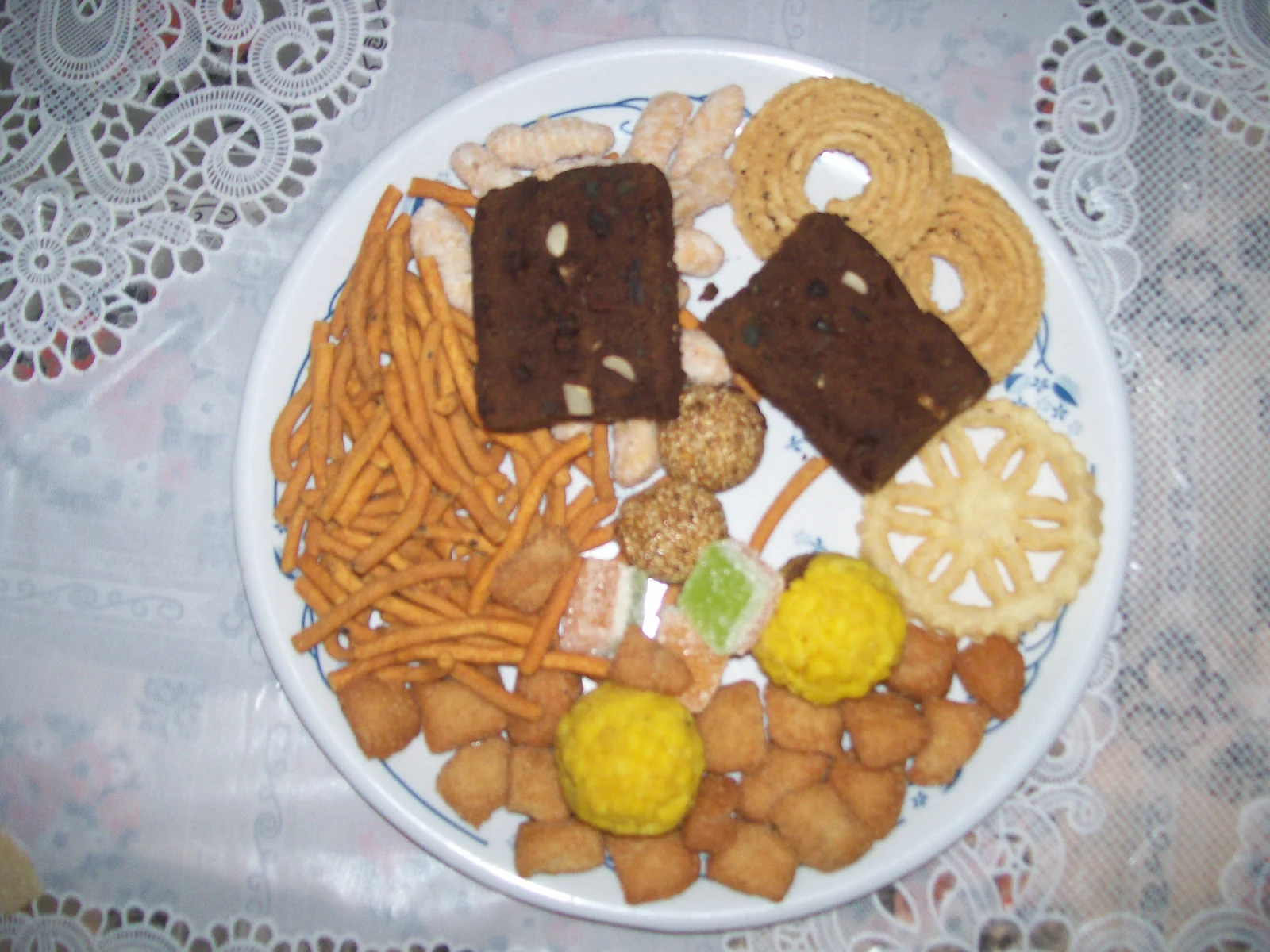
Coconut takes on different forms even on the same festive tray. Bebinca puts coconut milk, extracted from the flesh, into the batter and is baked layer by layer. Neureo encloses sweetened coconut flesh in a pastry shell that is fried in oil. Batica also combines coconut and semolina, but it is baked as a large cake and cut into portions. Bolinhas are sweets that can be taken as a small individual piece, each with its own baked base and top. Extracting milk, wrapping flesh inside, and mixing flesh with coarsely ground flour are three ways of using coconut, and on the tray they become different textures.
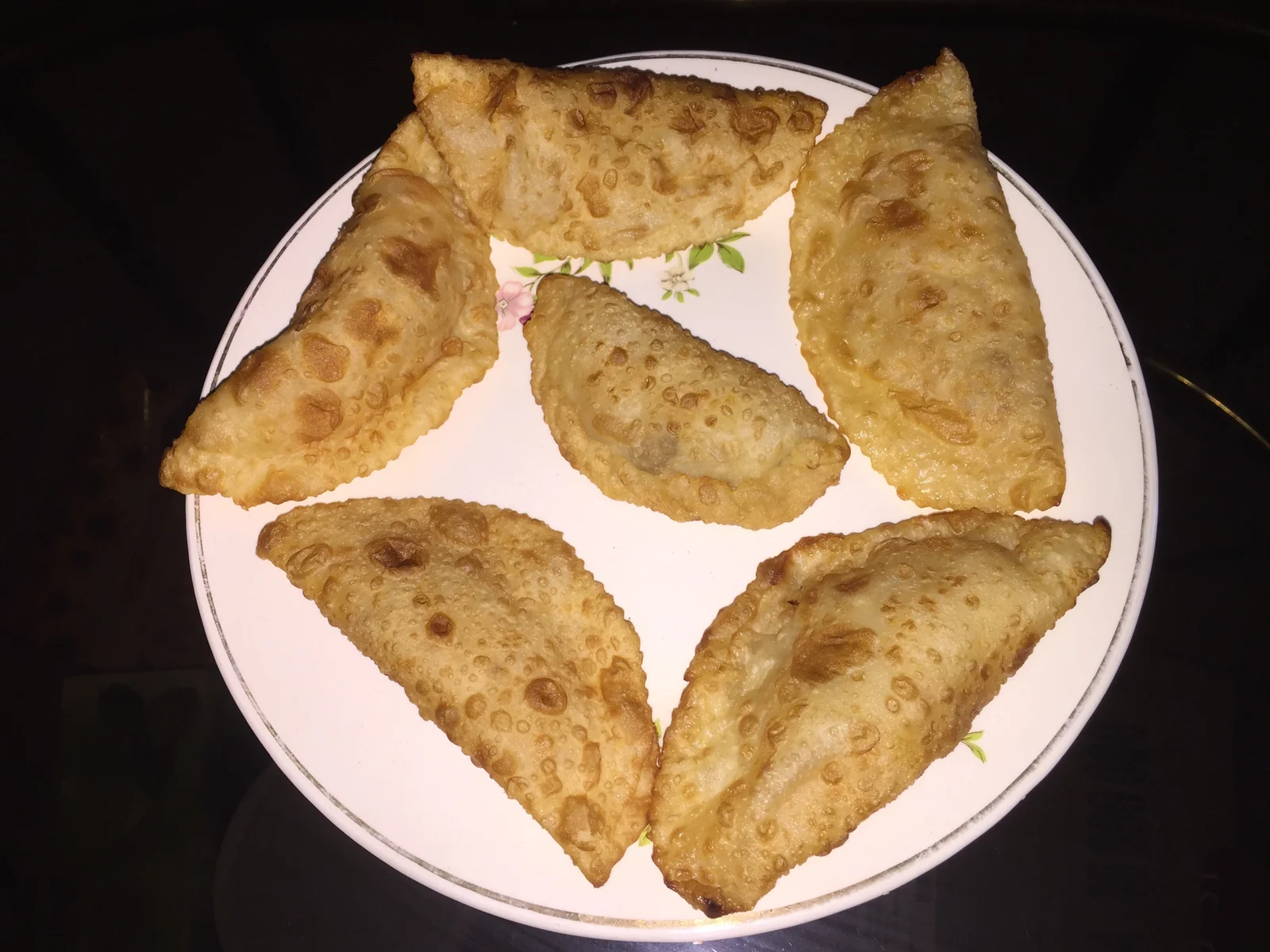
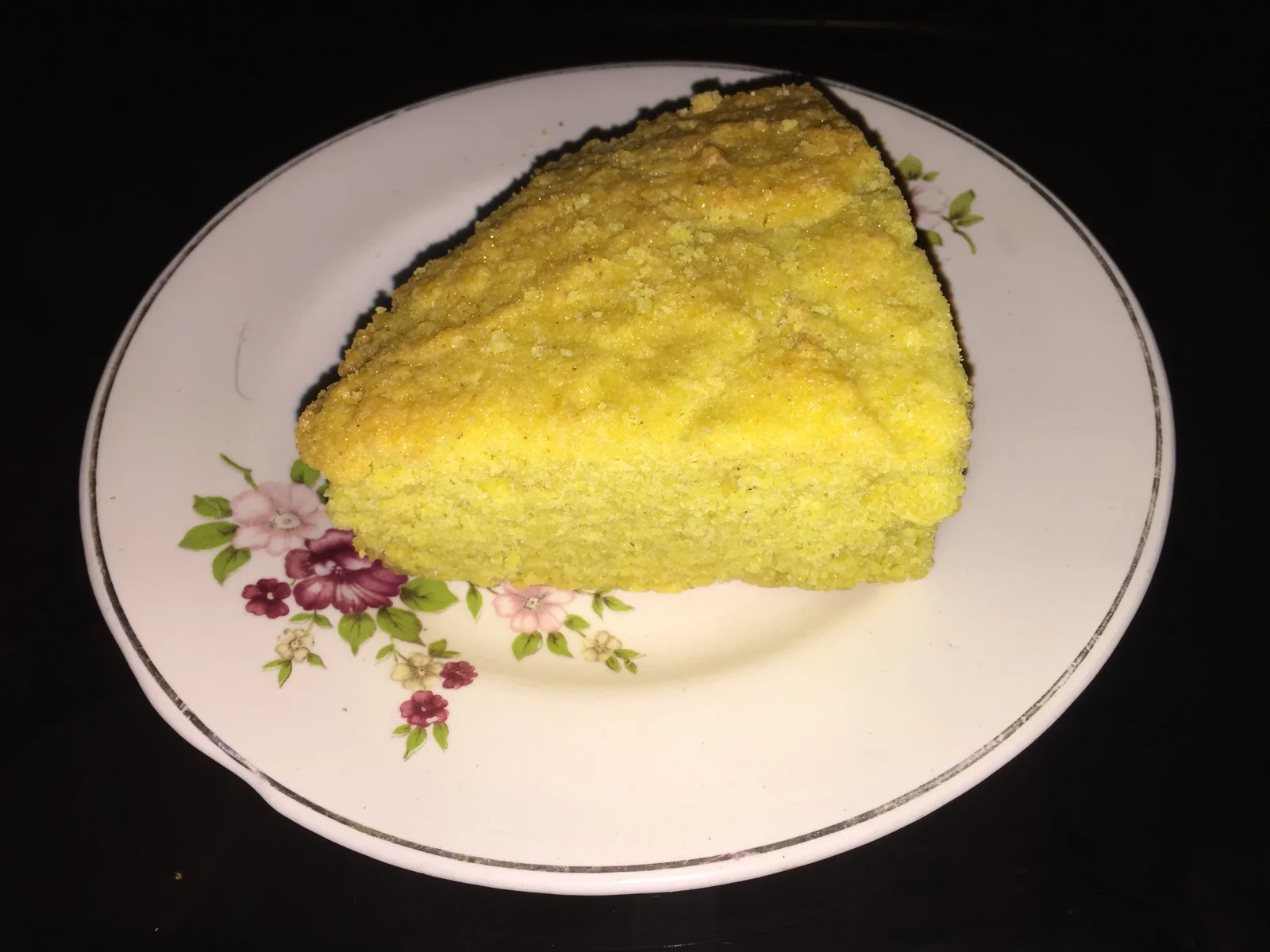
Rosita Fernandes, who grew up in the Mahim area of Mumbai, recalls that neighboring households prepared the dough the night before, borrowed the bakery’s trays the next morning to roll it, and had it all baked together in the bakery’s oven. Eight to ten neighboring families divided up the sweets they made for Christmas, and on the day of the Bolinhas they brought their dough around 5 a.m. and came back together to collect them two or three hours after the baking began. The work consisted of preparing the dough at home, bringing it to one place, and fitting it to the hours when the oven could be used. A 2024 Goan local newspaper features a person in Margao who makes and sells Christmas sweets, including Bolinhas. There are examples of home-made dough being baked at a shop, and also of finished items being bought and assembled into an assortment. Gracias also notes that some households did not make egg-based baked sweets because eggs and butter were expensive. Depending on who prepares the sweets and where they are baked, the route to holding the single piece placed on the tray differs. When served with everyday tea, you can pick up that single piece and taste the coconut fibers and the baked edge together.
Glossary
- Rava
- A name for coarsely ground flour used in South Asian cooking. Here it means semolina, the coarsely ground endosperm of wheat.
- Ghee
- A fat made by heating butter to remove water and milk solids. It is used in formulas in which the dough is cooked in a pot.
- Kuswar
- Sweets and snacks assembled and shared at Christmas in Catholic households in Goa and Mangaluru.
- Batica (also baath)
- A Goan cake made with semolina and coconut. The batter is baked as a single cake and portioned.


