


SweetloreEncyclopedia of World Sweets (834)

Majarete
Majarete
A Caribbean sweet thickened with young corn or rice flour
Desserts / Dominican Republic, Venezuela

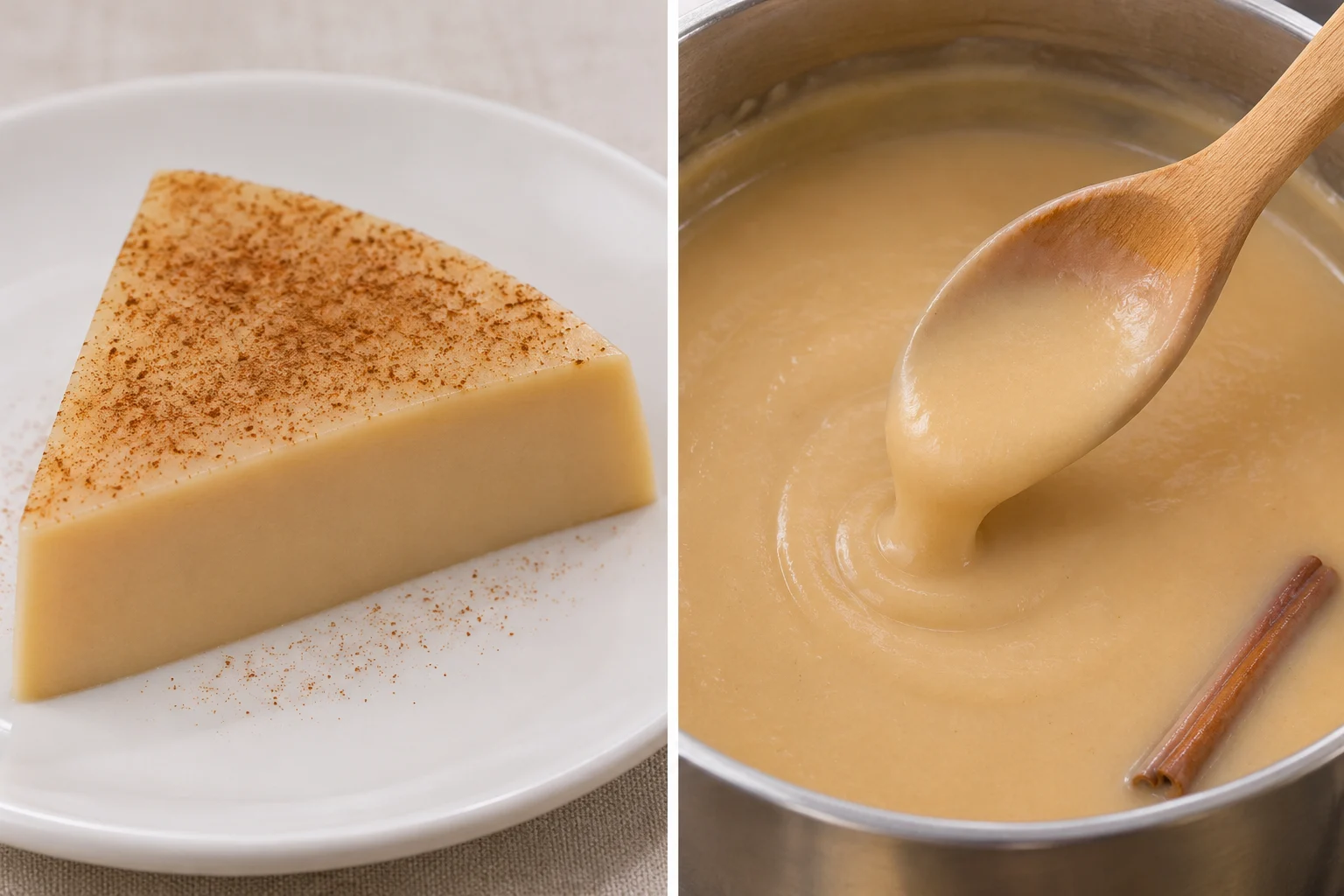
Draw a spoon through the pot just after cooking, and the body that the grain gives the dessert is consistent from the surface to the center. Majarete is a Caribbean sweet made by simmering corn or rice in milk or coconut milk and then cooling it. When young kernels are grated and the liquid is strained, no pieces touch the tongue, yet the taste of the grain remains. In some places dried flour is dissolved and cooked instead, and versions also differ in whether the dessert is chilled until it can be unmolded or spooned from its dish.
Taking the Flavor from Young Corn Without Leaving the Kernels
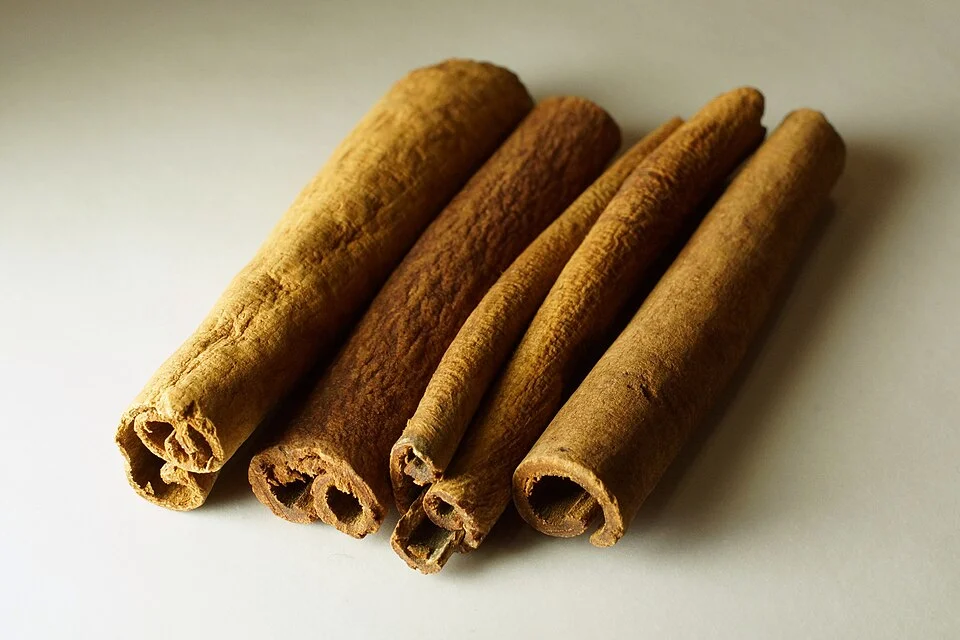
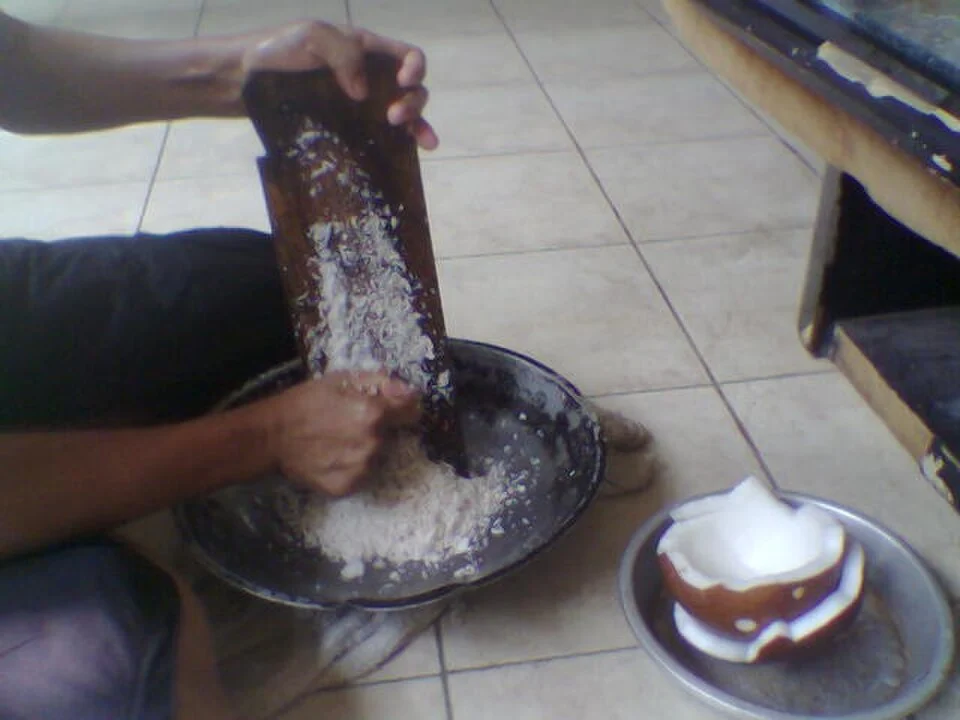
In the Dominican food guide Guía Gastronómica Dominicana, majarete for eight people calls for 12 ears of corn. The kernels are first grated off the cob, then blended with milk. After the mixture is passed through a fine strainer, sugar, a cinnamon stick, citrus peel and a little salt are added.
What goes into the pot is not a liquid with pieces of cob or kernel left in it. Because the strained liquid is what is heated, no kernel shapes meet the mouth, and each spoonful holds corn and milk together.
The food organization Sabores Dominicanos describes cutting the kernels off the cob by running the knife in to about three-quarters of their depth. They may also be grated; after blending with milk, sugar and salt, the solids left behind are strained out. Here the liquid is moved to a deep pot with a cinnamon stick and citrus peel, and cooked over medium heat, stirring, for about 15 minutes.
The recipe in Guía Gastronómica Dominicana calls for low heat and a wooden spoon kept constantly moving. The descriptions of heat differ, but in both the procedure is to keep stirring until the liquid in the pot visibly thickens.
The citrus peel and cinnamon stick are ingredients that scent the strained liquid once it has been moved to the pot. By contrast, what the Guía Gastronómica Dominicana sprinkles on after the dessert is poured into the dish is ground cinnamon. The aroma transferred to the milk in the pot and the aroma that reaches the nose just before eating are layered as two forms of the same spice.
A Puerto Rican example that teaches majarete made with rice flour also uses ground cinnamon for finishing, separate from the spices that are cooked in the pot. Although the grain is different, sprinkling cinnamon over the surface of the dish is very similar.
Dissolving Flour in Coconut Milk and Cooking It Until It Can Be Poured into a Mold
A cooking publication issued by the nutrition center CANIA in Caracas gives an example using 210 grams of chopped coconut flesh, 80 grams of corn flour and 190 grams of grated papelón. The flesh is first removed from the shell and chopped fine, then blended while lukewarm water is added little by little, and strained to obtain coconut milk.
The flour is dissolved in that milk, and the papelón, a cinnamon stick and a pinch of salt are added and cooked for 20 minutes. It differs from the Dominican example, in which the cooking liquid is taken from young corn, in what is blended and then strained.
In the recipe from the Venezuelan corporate foundation Fundación Empresas Polar, the milk is taken from two dried coconuts, and two cups of cow’s milk are added separately. Once the papelón in the pot has dissolved completely, precooked white corn flour is sprinkled in a little at a time. The constant stirring with a wooden spatula is to prevent lumps of flour from forming.
Grated coconut and lemon or orange peel are added later, so fine pieces of coconut flesh remain in the mixture, unlike in the CANIA example, where only the cooking liquid is strained and set.
In the foundation’s recipe, the mixture is stirred continuously over low heat, and when bubbles appear and the edges begin to pull away from the sides of the pot, it is poured into a deep dish or similar container. It is turned out once completely cool, and cinnamon is sprinkled on the surface. CANIA goes as far as portioning it into small dishes to cool.
Whether the dessert is cooled until it holds its shape when the dish is turned over, or spooned straight from the dish it was poured into, changes where the cooking ends in the kitchen and what form it takes at the table. Even when majarete is said to "set," there are versions that are unmolded and versions that are left to settle in the dish.
José Marcano Rosas’s Testimonios Margariteños, a record of life on Margarita Island, includes a majarete in which cooked corn is ground and the dough is dissolved in coconut milk and cooked. It is sweetened with papelón or sugar, flavored with cinnamon, and, the book says, sets as it cools.
In that book of island terms, the entry for mazamorra lists young corn and the entry for tequiche lists toasted corn flour. All three deal with coconut milk and grain, but whether the grain is used young, cooked or as toasted flour is a clue for telling the names apart.
The same record also mentions that the hard shell of a fruit called taparo was cut to make small oval, slightly concave spoons. The spoons were used to scoop up semiliquid or pasty dishes such as majarete, mazamorra and sweet rice with coconut.
The words used to describe majarete are tied not only to the procedure of cooking grain in palm milk but also to tools found in the home. While there are versions that are cooled and removed from the dish, the Margarita Island record of the spoons conveys a scene of taking the dessert from its dish one mouthful at a time.
An Island Kitchen That Uses Rice Flour
The recipe presented by Yadira Pacheco, who teaches at the Mayagüez campus of the Pontifical Catholic University of Puerto Rico, is made with one can of coconut milk, one cup of milk or evaporated milk, and one cup of rice flour. Cloves and cinnamon are boiled in water, and the strained liquid is added to the milk, salt, vanilla, rice flour and other ingredients combined separately.
There is no step of cooking rice to keep the grains whole; the flour is mixed into the milk and then set over medium heat. A wooden spoon is kept moving, and once the mixture has thickened it is poured into one mold or several small ones. Building the aroma of the pot from cinnamon and cloves is common to the corn versions.
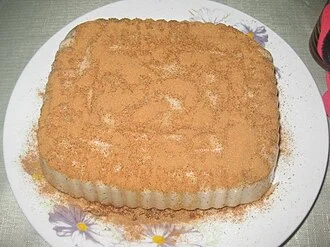
In Pacheco’s version, the mixture is poured into the mold, sprinkled with ground cinnamon, cooled to room temperature and then refrigerated. The cue for taking it off the heat is that the liquid has thickened, and it waits in the refrigerator so that it can finish setting in the mold.
In the university article, Pacheco says she featured this sweet on a program out of concern that making it at home is declining and it will not be passed on to the next generation. What can be conveyed when teaching the dish is, besides the choice of rice flour as the ingredient, the procedure: where to stop the heat and how far to let it cool before moving to the next step.
The rice flour version shows that there is a range of methods behind the Puerto Rican usage listed in the dictionary of the Spanish-language academies. The dictionary’s first sense records it as a sweet of Panama, the Dominican Republic, Puerto Rico and Venezuela, made by cooking corn flour and coconut milk and chilling it until set. Setting a definition tied to country names beside the recipe of a single cook shows that one cannot say the same flour goes into every pot on the island. Rather than deciding the ingredients by country name alone, it helps to tell whether a version uses young kernels, precooked flour or rice flour, and the way the liquid in the pot is prepared then becomes easier to follow.
An Old Dictionary Entry, and a Sweet Shared During Holy Week
The third edition (1862) of Esteban Pichardo’s dictionary of Cuban vocabulary lists two forms side by side as headwords, majarete and manjarete. It is described as young corn that is grated, combined with milk and sugar, thickened over the fire and set after cooling. The author calls it a kind of atole and also notes that in Vuelta Arriba on the island it is called mazamorra.
From the dictionary’s explanation, we can see that in nineteenth-century Cuba as well, the name was tied to a sweet in which grain is cooked to thicken it and then eaten cooled.
A study that examined a Cuban dictionary manuscript of 1831 reports that the name of this sweet appears in that manuscript and was also included in Pichardo’s 1836 dictionary and in Vicente Salvá’s 1846 dictionary. What nineteenth-century dictionaries recorded were the names known at the time and the characteristics of the cooking.
A researcher who conducted interviews in the Dominican Republic refers to records of Indigenous people making a corn soup from grated ears, but the date when the sweet originated and the date of the name’s origin have not been established. The antiquity of the technique of grating ears and the records of a sweet with milk and sugar added are each traced through their own sources.
A modern dictionary of American Spanish gives, as the Cuban majarete, a sense of corn starch thickened by cooking with milk and sugar. Whereas Pichardo’s dictionary cites a liquid from grated young kernels, in this definition what goes into the pot is starch.
Setting the descriptions from the two periods side by side, the Cuban name continued to be recorded, while the form of the ingredient shown by the dictionaries differs. The Dominican recipe made from a strained liquid of young kernels is close to Pichardo’s record in terms of the form of the ingredient, but this alone does not allow us to conclude that the method passed from one island to the other.
The relationship with mazamorra also varies depending on the region the sources describe. Pichardo wrote that in some areas the same sweet is called mazamorra.
In the Margarita Island record, majarete and mazamorra are adjacent entries. The latter dissolves ground young corn in coconut milk, adds papelón and cooks it, stirring so that it does not scorch. Because the name mazamorra appears in both sources, transplanting the naming distinction of one region directly to another leaves it unclear whether young kernels or cooked kernels are meant.
The Venezuelan regional newspaper Ciudad Valencia counts the coconut and corn majarete among the local sweets that are made and shared during Holy Week. The same article also mentions the custom of preparing various sweets made with fruit and papelón.
A cookbook published by the Dominican Republic’s Ministry of Foreign Affairs also presents majarete as something eaten during Lent. By contrast, the Dominican Sabores Dominicanos says it is made at home throughout the year. Sources on the season convey both that the sweet appears on festive menus and that the pot is also set on the stove in ordinary homes.
A Dominican cookbook also includes an example by the chef Hanoy Vásquez in which corn majarete is used as one component of a layered dessert. Gelatin and chopped chocolate are melted into hot majarete, and once it has cooled it is combined with whipped cream.
Because it is chilled on top of layered casabe, thin cassava flatbread, the dessert has more layers to meet the spoon than a majarete poured into a cup. Looking at what kind of thickness is served in what kind of dish, from the home pot in which young kernels are strained to the university demonstration in which rice flour is cooked and poured into molds, shows how the sweets handed down under the same name differ.
Glossary
- Majarete
- The name of a sweet used around the Caribbean. There are versions made with corn or rice.
- Papelón
- A sugar used in Venezuela, made by boiling down sugarcane juice and letting it solidify.
- Atol
- A thick drink or food made by cooking corn or similar grain. Pichardo used this word to explain majarete.
- Mazamorra
- A name used for dishes of cooked grain and similar ingredients. In a nineteenth-century Cuban dictionary it is another name for majarete. In the Margarita Island source it is a separate entry using young corn.
- Taparo
- A fruit with a hard shell. The Margarita Island record gives an example of the shell being worked into small spoons and similar items.
- Casabe
- A food made by baking cassava into thin flatbreads. In the contemporary Dominican version discussed in this article, it is used for the layers of the dessert.
- Vueltarriba
- A Cuban name that Pichardo’s dictionary gives for the region where the alternative name mazamorra is used.


