


SweetloreEncyclopedia of World Sweets (834)

Wajik
Wajik
Syrup-Soaked Glutinous Rice, Shaped into Gifts and Ceremony
Desserts / Indonesia

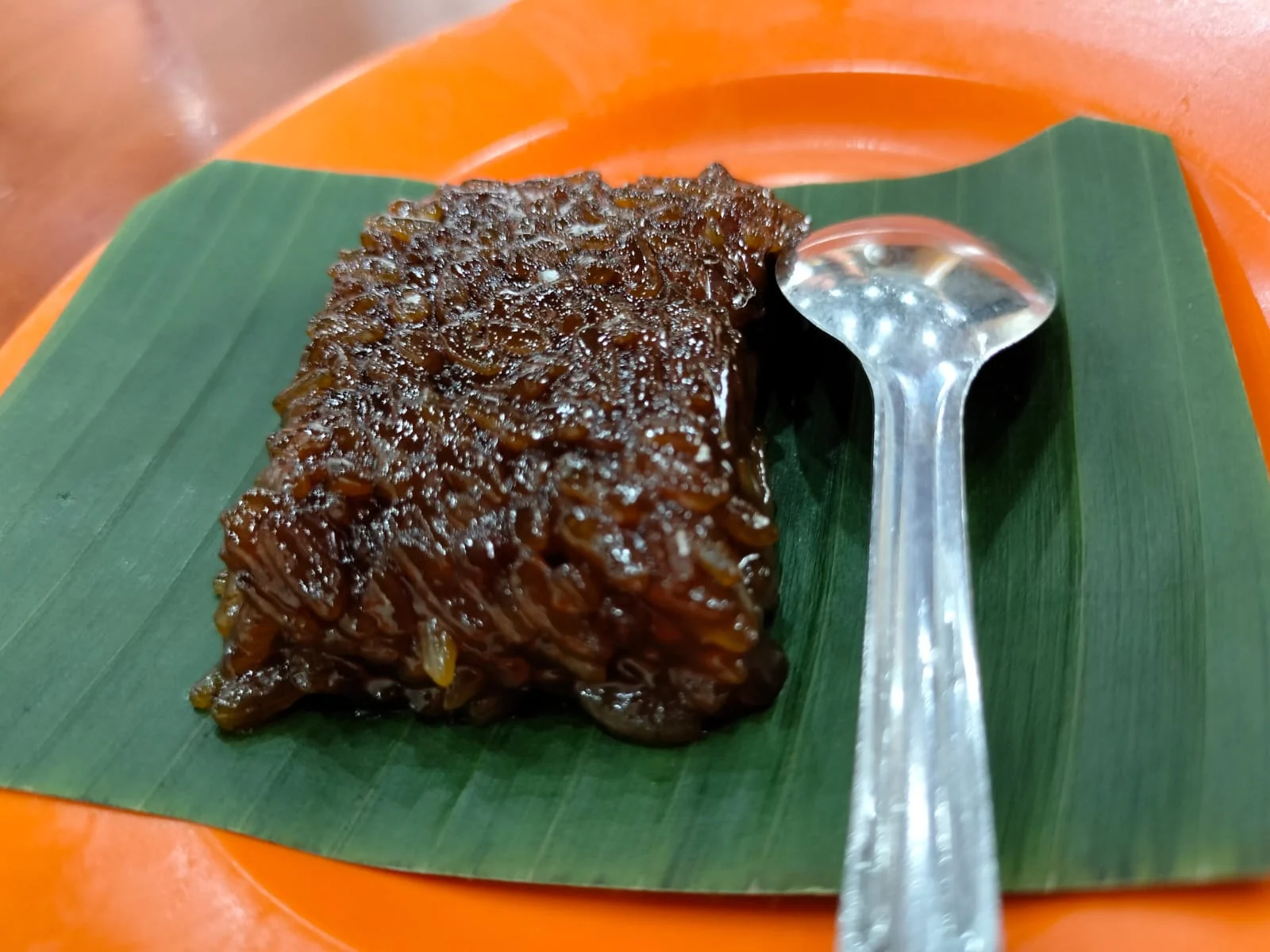
When a spoon goes into the square sweet on a leaf, glossy grains of rice can be seen lined up all the way to the sides. Wajik is a Javanese sweet made by cooking steamed glutinous rice in palm sugar and coconut milk, then cooling and cutting it. After the sweet coating around the rice dissolves, the shape of the grains remains on the tongue as you chew. At Javanese weddings it is carried to the occasion where the two families meet, and at the Yogyakarta Palace, baskets full of wajik form the base of the ceremonial offerings. In both, the clinging quality of glutinous rice grains is put to use.
Steam the Glutinous Rice First, Melt the Palm Sugar in a Separate Pot
In wajik ketan, ketan means glutinous rice. In the home-style example in the Kamus Ekowisata, 400 grams of white glutinous rice is washed, drained, and put in a steamer. After 15 minutes of steaming, the lid is lifted and 25 milliliters of boiling water is sprinkled over the rice, which is then steamed for another 15 minutes. So far, the work belongs to the rice and water. The procedure in the 2024 wajik study, on the other hand, soaks the glutinous rice for 2–4 hours, drains it, and steams it for about 30 minutes. In one case hot water is added partway through steaming, and in the other the rice is thoroughly soaked beforehand; either way, the rice is cooked with heat before it is added to the sugar syrup.
The home-style example dissolves 250 grams of grated palm sugar in 250 milliliters of thick milk from one coconut, adding three pandan leaves and half a teaspoon of salt. When the liquid in the pot begins to bubble, the heat is turned off, the steamed glutinous rice is mixed in, and the pot is returned to low heat. Dissolving the sugar first lets the brown liquid reach each grain when the steamed rice is added. The green aroma of the pandan leaves and the aroma of brown sugar work their way between the rice grains together with the fat of the coconut milk. Whether the sugar comes from the aren palm or the coconut palm also reflects differences in place and method. The guide to Wlingi District, Blitar Regency, names the latter, coconut sugar (gula kelapa), for the local sweet.
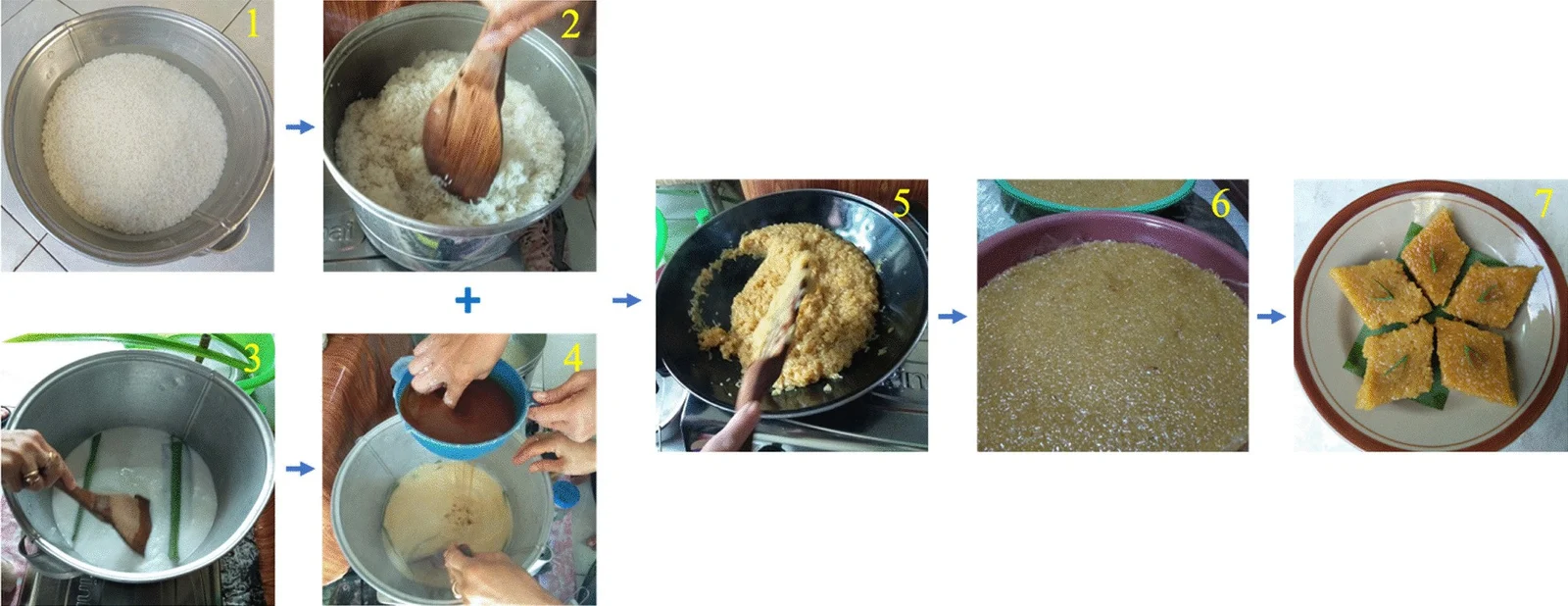
In the procedure given in the study, palm sugar and other ingredients are dissolved in coconut milk and brought to a boil, then strained before being combined with the rice. After fine impurities in the sugar have been removed, the glutinous rice is added and the pot is stirred continuously over low heat with a large wooden paddle. The study gives an example in which this takes 3–4 hours, until the mass turns brown and glossy and oil appears on the surface. The home-style example, by contrast, does not fix how many minutes to cook after the rice is added, using the point at which the liquid is gone as a guide. Whether liquid pools when the paddle pushes the contents of the pot together, and whether the syrup has soaked into the surface of the grains, determines whether it is time to move on to cooling.
One batch in the same study uses 5 kilograms of glutinous rice, 5 liters of coconut milk, 2 kilograms of palm sugar, 300 grams of sugar, and 20 grams of pandan leaves. The ratio of rice to sugar also differs from that in the home-style example. Rather than applying the same cooking time to a pot with less rice, it helps to consider the quantity cooked at one time together with the gloss that appears during the low-heat stirring; this shows why the cooking is so long. The study also describes cases in which, when large quantities are made for celebrations, several people handle a large pot. Continuing to turn the rice at the bottom of the pot, even as rice clings to the paddle, is the work that produces the stickiness that lets the sweet be cut into pieces.
Pack into a Mold, Cut, and Look at the Grains
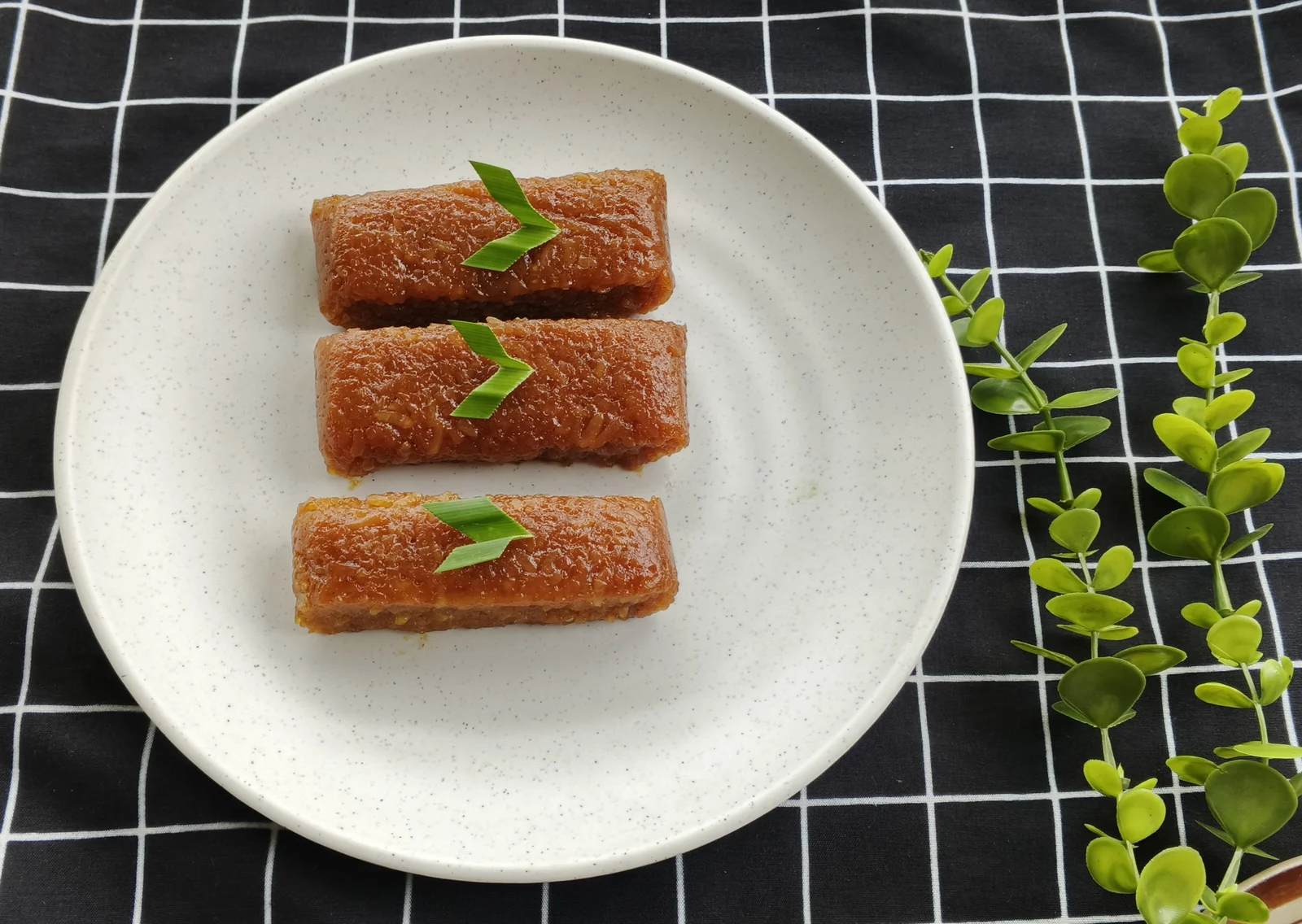
In the Kamus Ekowisata, a mold 20 centimeters on a side and 4 centimeters deep is lined with banana leaf, and the cooked rice is transferred into it. If the rice is spread to the corners of the mold while still hot, then once it has cooled and been cut with a knife, the pieces have faces in which the grains are densely packed. Repeated diagonal cuts yield parallelograms, and cuts parallel to the sides of the mold yield squares or rectangles. In Javanese and Indonesian dictionaries, wajik has two senses: a sweet made by cooking glutinous rice with sugar and the like, and a parallelogram. The sweets called wajik take other forms besides the diagonally cut piece: square pieces set side by side, a single piece wrapped in corn husk, and the cylinders turned out at the palace.
In the study’s process photographs, white rice sits in the steamer, and in the next pot the sticky mass struck by the paddle takes on color. The diamond-shaped piece taken out after cooling keeps the relief of the grains even though it is colored. The photographs also preserve the order in which the brown sugar, prepared in a separate step, and the pandan-flavored coconut milk are combined in the same pot. It is a record that shows not only the shape but also the point at which the white rice takes on the color of the sweet.
Grains can be seen in rows on the cut surface because the glutinous rice is never ground into flour. Comparing wajik with sweets such as jenang, which sometimes use the same glutinous rice, the study names the direct use of steamed grains as a characteristic of wajik. The color of the sugar seen from outside and the outline of the rice left when chewed overlap in a single piece. Grains that were once separate keep their shape even in the boiling syrup, and when the sweet cools they stick to one another and resist coming apart. That several pieces can be cut from one mold is also because the rice beyond each knife cut keeps the same form.
A Wedding Gift Carried to the House
Javanese wedding custom includes srah-srahan, in which the groom’s side visits the bride’s side and hands over gifts. The wajik study gives examples in which jadah and jenang are carried together with wajik. When jadah, made of steamed glutinous rice pounded and pressed together, is set beside wajik that has absorbed sweet syrup while keeping its grains, the gift sweets show different work done with the same rice. When the vessels or wrappings are opened and a cut piece is picked up, one sees at once what keeps the outlines of its grains and what can be chewed as a pounded mass.
The study explains how grains that were originally separate become sticky when steamed and join into one, and links this to the hope that the bond between husband and wife and between the two families will continue. Cooking a large quantity of wajik together takes time, and the study also links the same hope to the way the makers help one another in the work. A sweet given on a visit to a home can be shared piece by piece by those who receive it. Rice grains that do not separate even when eaten put the wish that was spoken in words on the plate as well.
At the Yogyakarta Palace, Turning a Large Basket Out onto a Wooden Platform
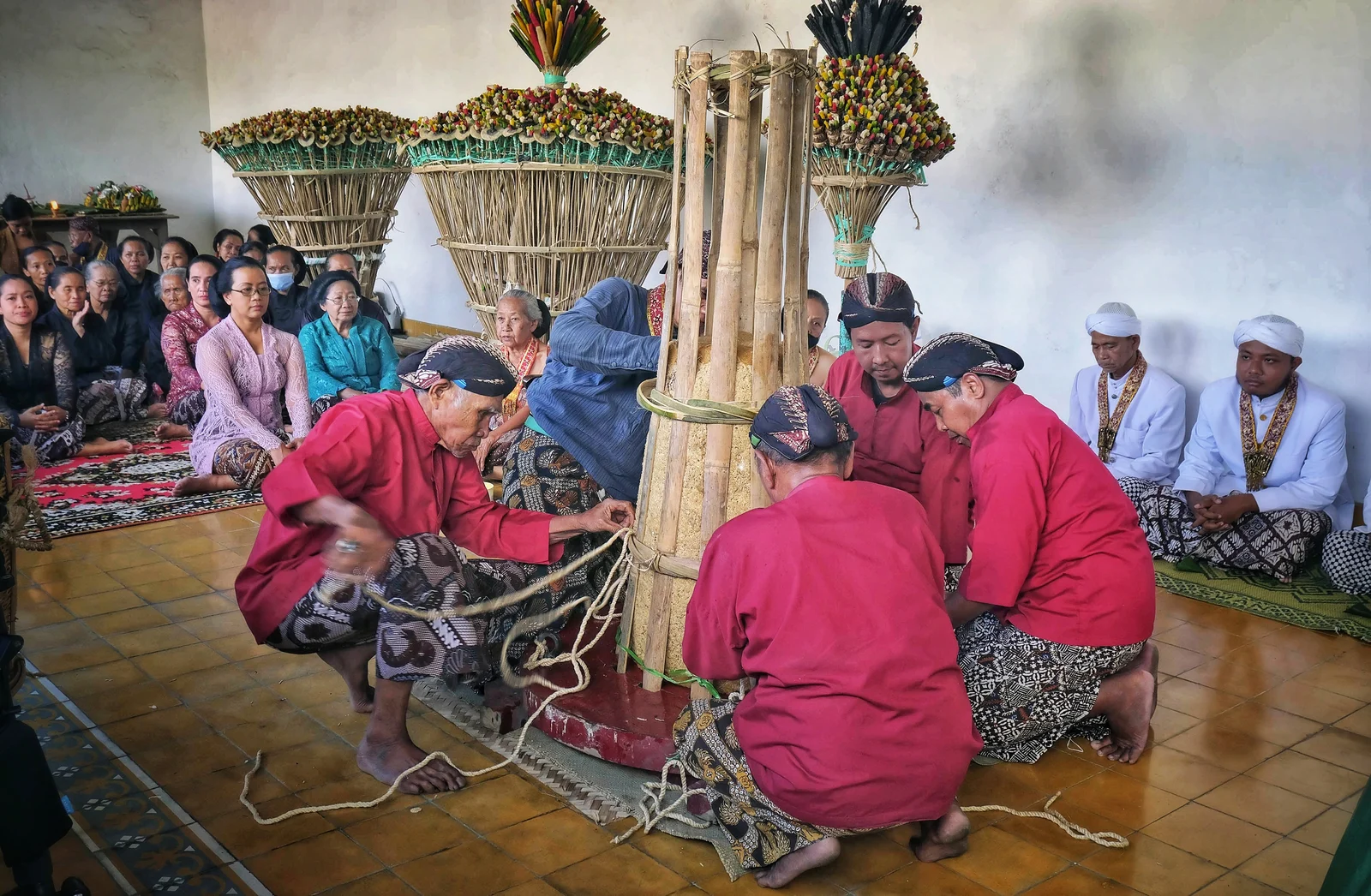
The Yogyakarta Palace holds Garebeg on three occasions: the day commemorating the birth of the Prophet Muhammad, the end of the fast, and the Feast of Sacrifice. Numplak Wajik is the start of assembling the gunungan, which are carried in procession and distributed to the people. Inside the Gunungan Estri, the one representing the female, the wajik is layered with tiwul, made from pounded dried cassava. Wooden sticks are inserted into this base, and bamboo skewers pierced with small glutinous-rice sweets are tied to the sticks to support the decoration above. A food made of rice and cassava becomes a structural member that supports the ceremonial decoration.
According to the palace’s record of 4 June 2025, a wooden carrying platform called a jodhang is greased, and a large basket containing wajik is turned out onto it. When the basket is lifted, a mass about as high as an adult’s waist appears, and a bamboo frame is fitted around its foot and tightened. When the decorating begins, the crowning ornament is set on top and cloth is draped over it. The same record says that singgul, made by mixing turmeric, rice flour, and other ingredients, was smeared on the foot of the wajik bound by the frame and was also shared with the people who had gathered. At home, when steamed rice is put into a leaf-lined mold, it is cut after cooling, but at the palace it is set down as one large mass, and its foot and top are then finished.
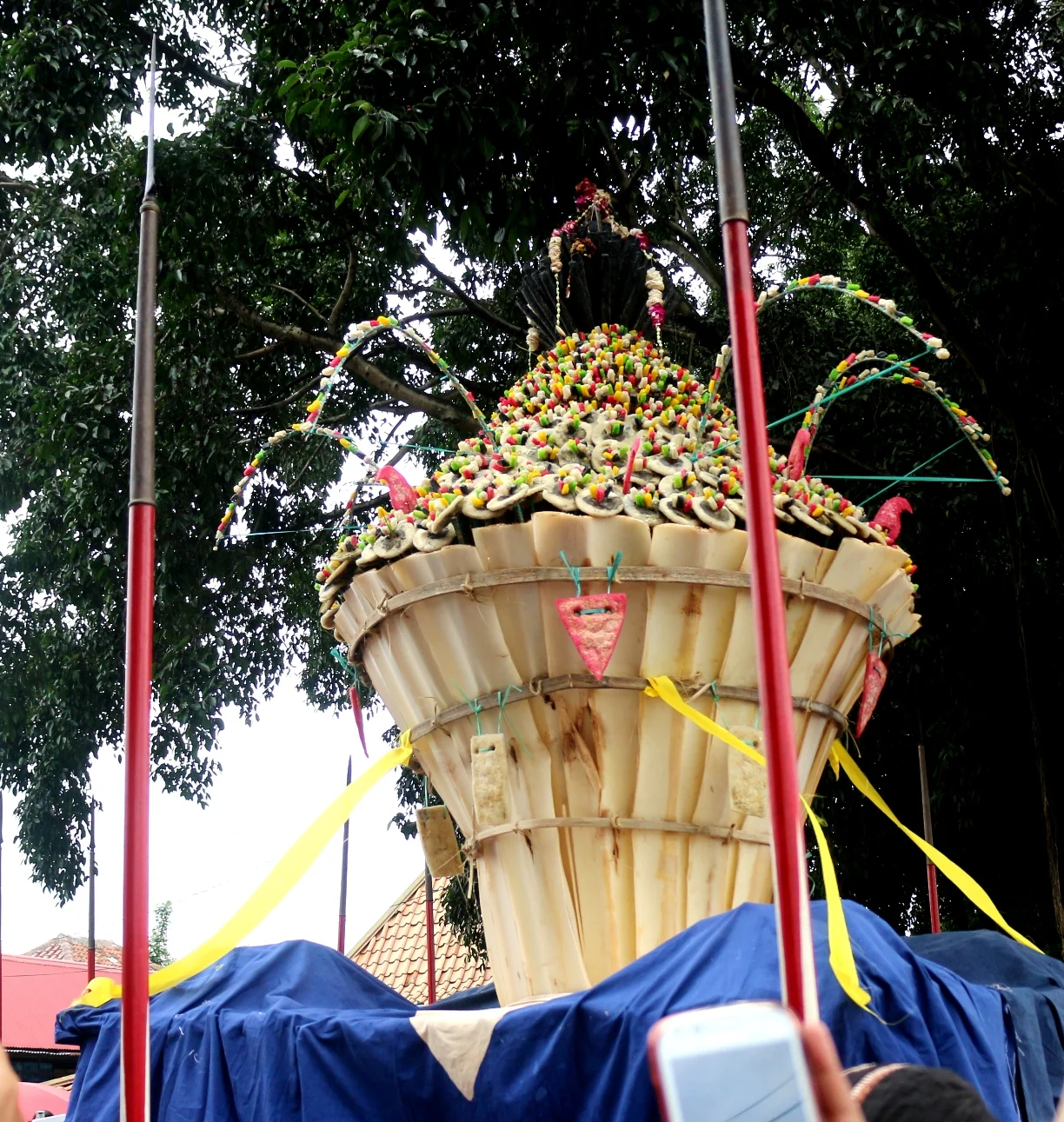
Before the basket is turned out there is prayer, and the sound of gejog lesung rings out. It is a performance in which several people strike a large wooden mortar with pestles. According to the palace’s explanation, this preparation takes place three days before Garebeg, after the afternoon prayer. The tiwul layered on the wajik and the upper decoration supported by bamboo skewers are assembled, and on the day of the ceremony they are carried outside. Even though the rice grains are hard to see from outside the finished mountain shape, the process of turning out the basket and building the interior shows where the glutinous-rice sweet provides support.
A Name at Old Feasts, and Wajik Wrapped and Given Today
In chapter 8 of the old Javanese prose work Nawaruci, edited by Prijohoetomo in 1934, there is a feast in which Dharmasunu welcomes Wrekodara. Drinks and dishes are brought, and the row of sweets includes dodol, wajik, and parasi. Instruments and performances are then described. In another Javanese poem, the Arjunawijaya, Mpu Tantular describes the visit of the king and queen to the Narmada River. A University of Indonesia thesis reproduces canto 31, verse 11, of S. Supomo’s edition, and there fruits such as pinang (areca nut), mango, and durian, seafood, dodol, wajik, and glutinous rice are laid out. In both scenes, wajik, together with dodol, is written as an item in a setting where guests are received and food is served.
The two stories tell whom was welcomed and what was set out. One is a welcome feast, the other hospitality on a riverbank. As the poem lists glutinous rice separately from wajik, the names of the items are preserved there one by one. The quantities in which steamed rice is cooked with coconut milk, and the shapes in which it is cut, can be traced only in other sources that record methods. The wishes sought at modern weddings and the procedure used as a base at the palace can likewise be read from their respective records.
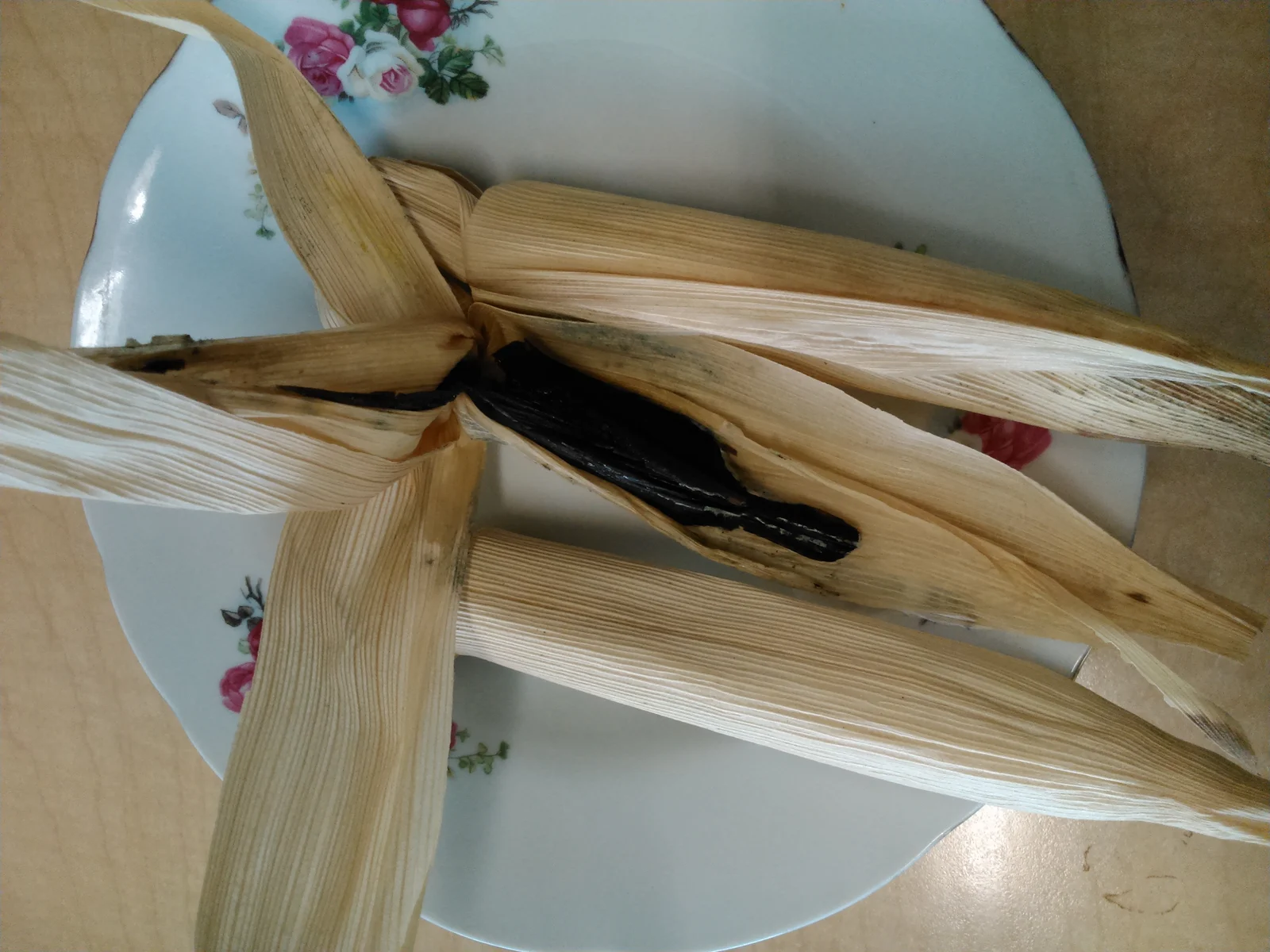
Wajik Kletik of Blitar, East Java, is served at celebrations and also makes a souvenir. The Wlingi District guide says it is made with coconut sugar and glutinous rice, retains a texture of grains when chewed, and is wrapped in dried corn husk. Prajitno’s shop, introduced by the City of Blitar, is a concrete example, having sold this sweet since 1963. Home-style wajik, made in a mold lined with banana leaf, can be cut and then served on another dish. Wrapped in dry corn husk, a sweet is carried by the guest as a single packet and opened when it is eaten.
In one example from an East Java cookbook, 500 grams of white glutinous rice is cooked halfway. The liquid combined with it is 200 grams of brown sugar and 200 milliliters each of coconut milk and water. Compared with the home-style ketan, the proportions of sugar and coconut milk to rice also differ. Water and sugar are boiled in a separate pot to dissolve, coconut milk and pandan are added, and when oil becomes visible, the rice is put in. The cooked rice is shaped and set on a bamboo tray lined with banana leaf, then dried in the sun for a day, turned along the way, and cut once cooled. It is then wrapped in dried corn husk. Unlike wajik just turned out of a mold, it has a drying step before the packet is closed. In the feel of the grains when the leaf is opened, both the cooking that lets the rice absorb sweet syrup and the later work of drying both sides remain.
Glossary
- Wajik ketan
- Wajik made with glutinous rice. Ketan means glutinous rice.
- Pandan
- A leaf used in Southeast Asia to flavor rice dishes, sweets, and other foods.
- Coconut sugar (gula kelapa)
- A sugar made by boiling down sap collected from the flower stalk of the coconut palm.
- Srah-srahan
- The occasion at a Javanese wedding when the groom’s side hands gifts to the bride’s side.
- Jadah
- A Javanese sweet in which steamed glutinous rice is pounded and pressed together.
- Jenang
- A general name for foods made by cooking rice or other ingredients until thick and sticky; some are sweet.
- Numplak Wajik
- At the Yogyakarta Palace, the ceremonial preparation in which wajik for the festival is turned out of a large basket onto a wooden platform.
- Garebeg
- A ceremony held by the Yogyakarta Palace to coincide with Islamic holy days.
- Gunungan Estri
- Among the mountain-shaped offerings used in palace ceremonies, the one that represents the female.
- Tiwul
- A food made from processed dried cassava.
- Jodhang
- The wooden platform used when wajik is turned out of the basket at the ceremony.
- Gejog lesung
- A performance that produces sound with pestles and a wooden mortar.
- Dodol
- A sticky sweet made by kneading sugar, coconut milk, glutinous rice flour, and other ingredients.
- Wajik Kletik
- Wajik made in Blitar and wrapped in dried corn husk.


