


SweetloreEncyclopedia of World Sweets (834)

Black Cake
Caribbean black cake
A Caribbean festive cake built on rum-soaked fruit and burnt sugar
Cakes / Caribbean islands, Trinidad and others

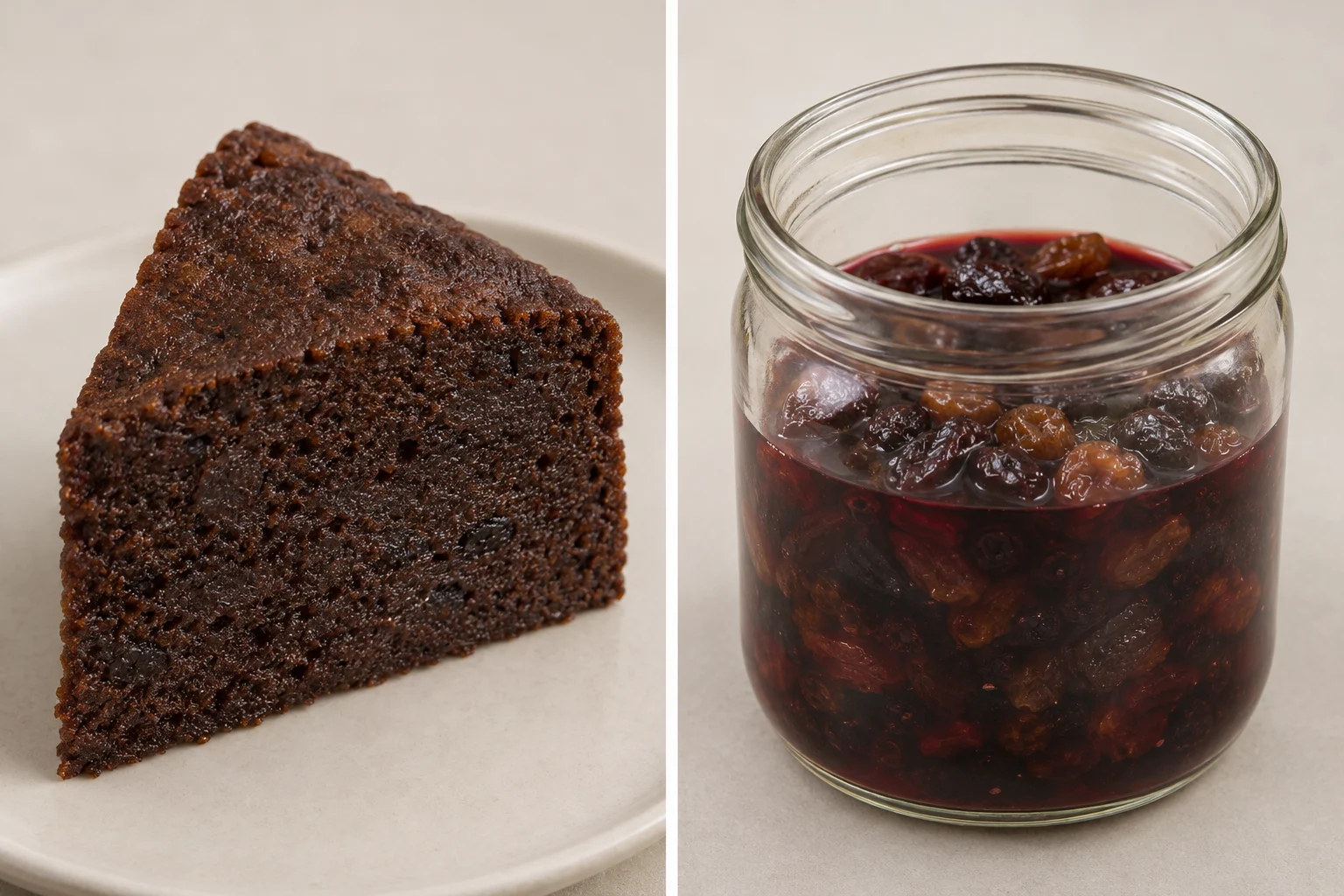
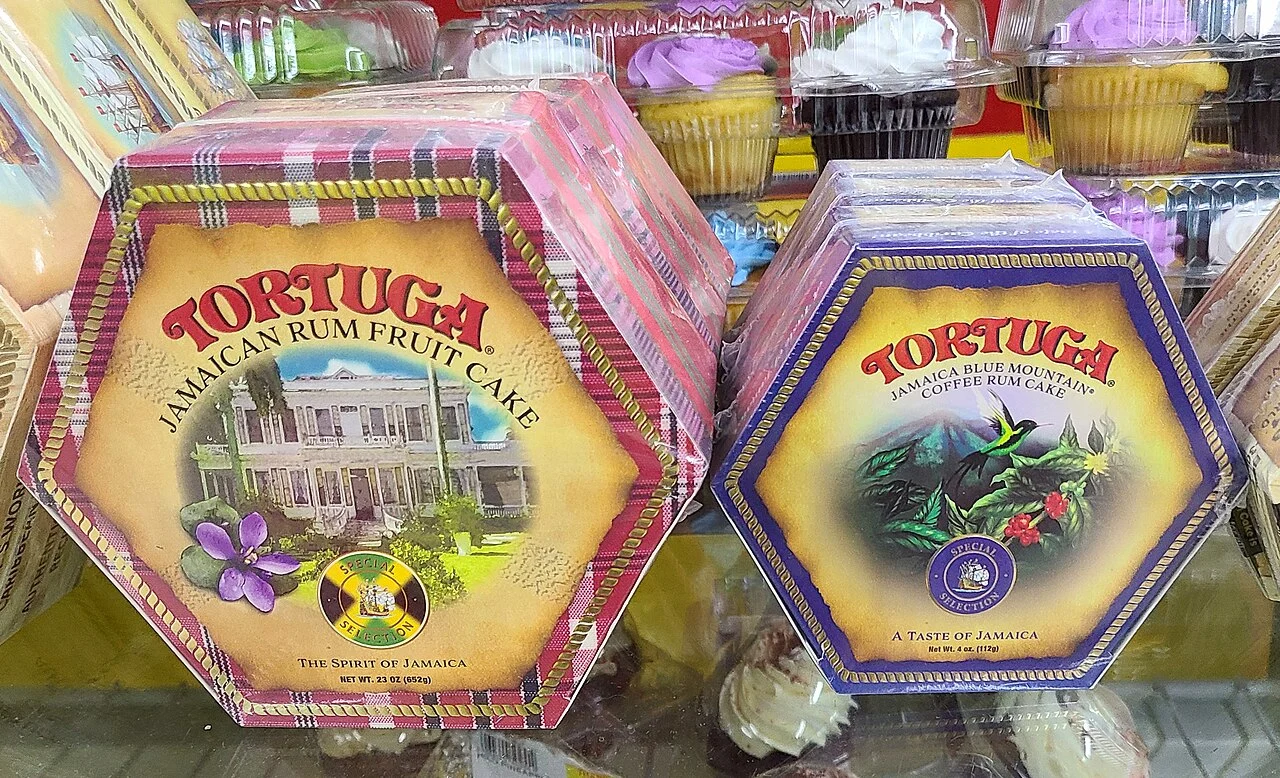
Black cake is a Caribbean cake in which dried fruit soaked in rum or other liquor is mixed into the batter, which is colored with a dark liquid of burnt sugar and similar ingredients. When a slice is cut, the moist, dark brown color continues beneath the surface. In versions where the soaked fruit is coarsely mashed, small bits of fruit remain within the dense crumb. Home cooks in Trinidad and Tobago and Jamaica are recorded as serving it at Christmas and weddings.
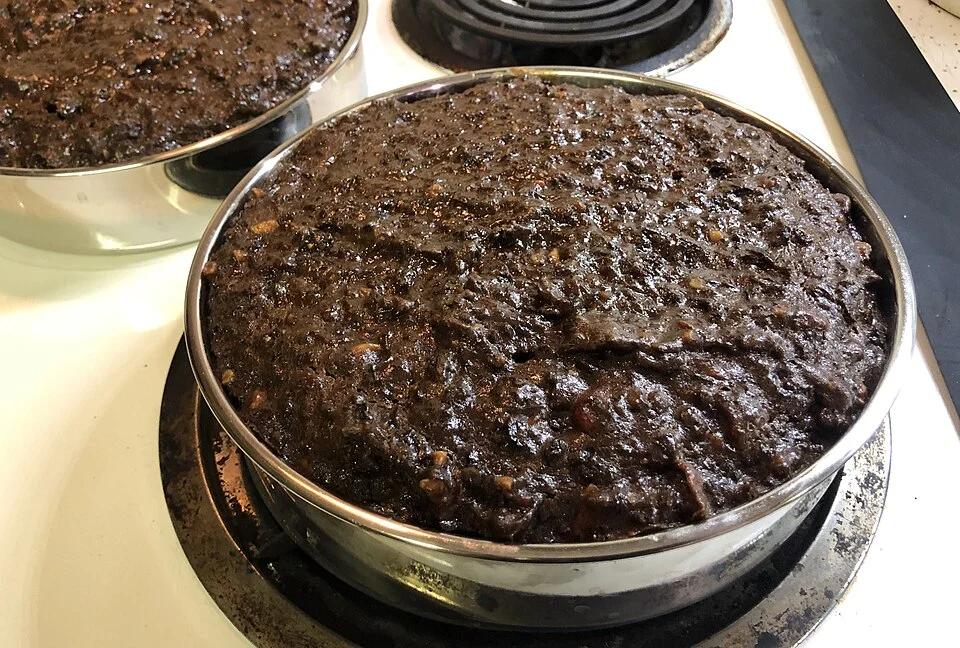
The batter darkens before it goes into the oven, when the soaked fruit and the burnt-sugar liquid are added. Besides baking in an oven pan, some cooks remember steaming the cake. In versions where rum is brushed on after baking, liquor is used twice in separate forms: when the fruit first begins to soak, and again between the cake’s coming out of the oven and its being cooled and wrapped.
The Dark Brown Color Runs Through the Cut Interior
The burnt-sugar liquid is called browning. Sugar is heated in a pan until it turns a deep color, then made into a liquid and mixed into the batter. The interior stays dark even when the baked surface is peeled away, because the color has been mixed into the batter itself.
In the home method that Philip describes, flour is added until the batter is stiff enough to hold a spoon upright, and only then is the burnt-sugar liquid mixed in. After the color deepens, a little more flour is added to bring the batter back close to its original firmness. Adding the liquid changes not only the color of the batter but also how it flows, so the cook judges by the deepening color and also by how the batter feels the next time it is stirred with the spoon.
Browning and the liquor in which the dried fruit has steeped are both deeply colored ingredients, but they do different work in the method. The fruit soaks in liquor before baking, whereas browning is added at the stage of mixing the batter. The color of prunes and currants also forms part of the cross-section, but in Philip’s method it is the addition of burnt-sugar liquid that darkens the whole batter.
As the batter is mixed, the clumps of fruit loosen and the dark burnt-sugar liquid spreads throughout. This produces a dark brown that the baked surface color alone cannot give, and in the cut face the color of the batter appears together with bits of fruit.
For Philip, the liquid made at home by heating sugar did a different job from simply mixing in molasses. She writes that she remembers, within the sweetness of the cake, the bitterness of a liquid made by cooking sugar over the fire until it turned black and foamed.
The adaptation from the school cookbook, on the other hand, also offers the option of using thick molasses or cane syrup in place of burnt sugar. Philip also mentions that commercial browning became available. Batters may look similar in color, but the preparation work and the construction of flavor differ depending on whether the cook colors the sugar in a pan or adds a different liquid.
Chopping First or Soaking First: The Order of Rum Soaking
The fruit in black cake includes raisins, currants, prunes, cherries and citrus peel. Even among cakes containing fruit, this differs in its use of time from methods in which the dried fruit is taken out and folded in just before the cake goes into the oven.
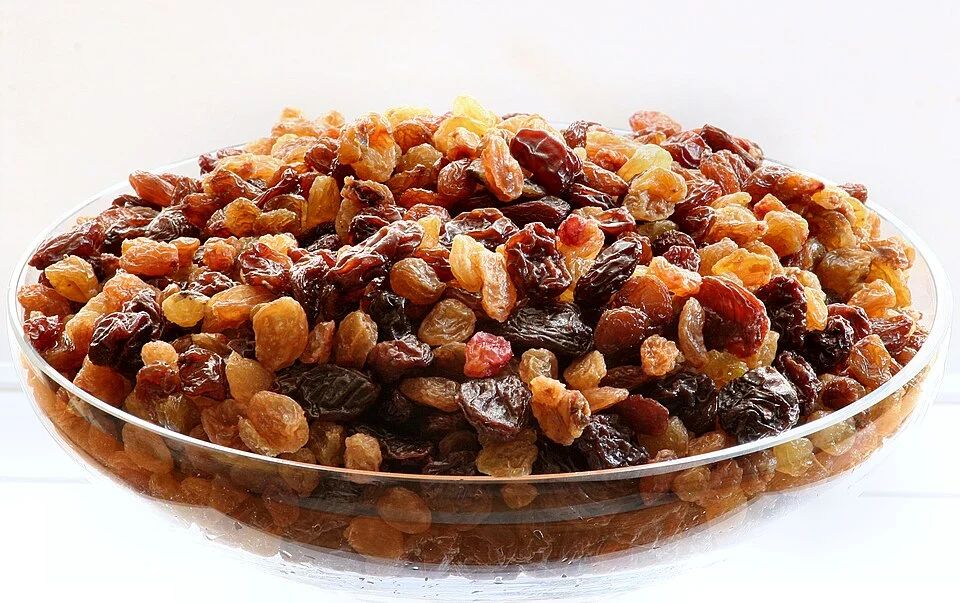
In the adaptation based on a Trinidad and Tobago school cookbook, the fruit is first soaked in rum and cherry brandy. In another household, dry fruit is left to take up the liquor over several months, ready for the end of the year. There are short and long versions, and in each the fruit is given time in contact with the liquor before the batter is mixed.
The Trinidad-born writer M. NourbeSe Philip recalls that for the cakes made at home, dried fruit was soaked in rum weeks, sometimes months, ahead. What came first was preparing the dried fruit to be soaked, before measuring the flour or taking out the pans. During the soaking, the liquid works its way through the fruit, so what is mixed in on the day of preparation is no longer in the same state as the original dried fruit. Preparation for baking begins only once the container is opened, so looking only at the baking day does not show how much time went into this cake.
In the adaptation from the Naparima Girls’ High School cookbook, the liquor-soaked fruit is put through a machine together with almonds. The machine is stopped when a coarse paste forms, leaving some small pieces of fruit. The paste mixes with the flour and eggs to form moist areas, and the coarsely left pieces show up in the cut face.
The use of butter, sugar, eggs and flour gives the cake the structure of a baked sweet, into which a great deal of fruit is added. The adaptation says the batter rises so little that the pan can be filled almost to the top, because this example has a different formula from a sponge that rises high. The color of the fruit and the moisture from the liquor run through every part of the batter.
The point at which the fruit is cut up can also vary. A home recipe included in Philip’s writing says to chop the dried fruit in a blender and then soak it in rum or wine for one week to one month. The adaptation from the school cookbook soaks the fruit in liquor for at least two days and chops it finely before baking.
Chopping first means the cut surfaces are exposed to the liquor as the fruit soaks. In the method of soaking first, the liquor-soaked fruit stays in pieces until the stage at which it is mashed. Both methods make the fruit part of the batter, but the handling before mixing differs.
Baking, Steaming, and Brushing with Rum Until the Cake Cools
Baking times also differ from one cook to another. In the adaptation from the school cookbook, the cake is first baked for 1 hour at 250°F (about 121°C), then the oven temperature is lowered to 225°F (about 107°C) and it bakes for another 2 to 3 hours, with doneness judged by the state of a tool inserted into the center. The home method that Philip records includes a version baked at 350°F (about 177°C) for about 1 hour, or until done.
Just as the soaking period for the ingredients differs, there is no single way of cooking it. Apart from the height of the cake, the pan and the formula, the temperature of one method cannot serve as a guideline for black cake in general.
In the adaptation from the school cookbook, rum is brushed on the surface right after the cake comes out of the oven and repeated while it cools. The liquor that touched the dried fruit in the container at the preparation stage now touches the outside of the baked cake.
The first thing the liquor touches is the dried fruit, and the last is the baked, set surface. Depending on whether the cake is made with soaked fruit alone or liquor is used again after baking, there are versions in which even a cake sliced and served in the same way takes on the aroma of the liquor used at finishing.
The adaptation from the school cookbook directs that rum be brushed on repeatedly while the cake cools, and that the cake be removed from the pan only after it has cooled completely. For storage, it is wrapped in paper and aluminum foil.
The writer Charmaine Wilkerson, whose mother grew up in Jamaica, says her mother’s black cake was a steamed, very moist one. Her mother called it plum pudding, while she herself calls it rum pudding. Preparing the fruit first and making a dark batter is similar to baked cake, but a final step of steaming is added.
The steaming method was remembered by the family of Wilkerson’s mother, who lived in Jamaica. Read alongside the Trinidadian adaptation, which specifies oven temperatures and pans, it shows how the finishing methods that each cook learned at home or at school differ.
In one version of the Puerto Rican rum cake, bizcocho de ron, honey, eggs, water and flavored rum are added directly to creamed butter and brown sugar, and flour is then combined before baking. Confectioners’ sugar is dusted over the cooled surface.
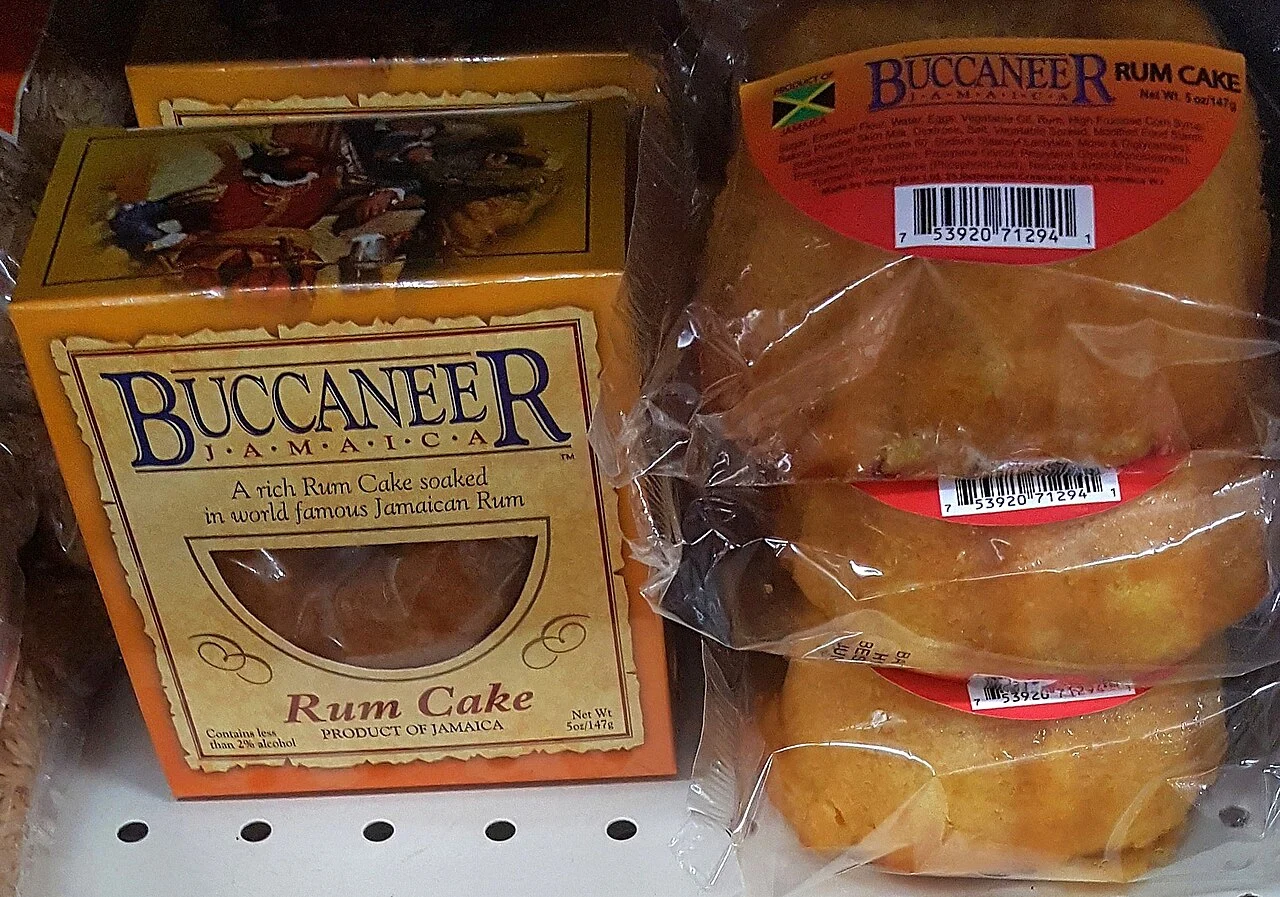
This version has neither the step of soaking the dried fruit in liquor beforehand nor the step of making burnt sugar into a liquid to darken the batter. Although the use of rum is similar, the cakes differ in which ingredient is soaked with liquor, whether a sugar is prepared for color, and what is added after baking. Allowing for the possibility that other formulas exist on the same island, this is a comparison of individual recipes.
An Empty Bottle from Home Economics Class, a Wedding Cake and a Letter
Another cook from Jamaica says she learned it at 16 in a home economics class at a school in Kingston. In a class where electric mixers were not available, she says, butter and sugar were mixed with an empty bottle.
For the same cake, some people learned to steam it at home, while others learned in a school kitchen, starting from making the batter with one particular tool. These two accounts show that both the family kitchen and the school classroom were places where a Christmas sweet was passed down.
Wilkerson’s mother also made wedding cakes. In her memory, it was a home sweet made in several batches around Christmastime, and it was also tied to weddings.
A letter that her mother sent in 1990 from New York to her in Los Angeles set out how to make this cake alongside family news and errands. Later, when a young relative asked how it was made, she says she remembered the letter she had kept. Unlike cases in which only the name of a sweet remains in a local place, a home recipe can travel to a distant place by letter.
From British Fruit Cakes to Caribbean Homes
Some see British fruitcake and plum pudding as clues to how black cake came about. An explanation from the Folger Shakespeare Library links the sweet cakes made in Britain during a period of expanding sugar supply with black cake in the Caribbean.
Colonial sugar production has a history of people forced to labor on plantations. There were British sweet dishes made with that sugar, and in the Caribbean they were combined with the work of soaking fruit in rum and using sugar or molasses darkened to a deep color.
What the Folger explanation shows is how British fruit cakes and the history of Caribbean sugar and rum overlapped. The methods preserved in the writings of Philip and Wilkerson convey that burnt sugar, liquor-soaked fruit, and the choice between steaming and baking also varied from one household to another among those who later handed the cake down.
A name that recalls British pudding survives in Wilkerson’s mother’s household, where the steaming method was passed down. Oven-baked versions, on the other hand, include ones that specify the cake pan and temperature. The work of liquor and sugar can be read in either form, but neither the steaming method nor the name survives uniformly. Taken together, the lands where the ingredients originated and the records of the households that kept making the cake explain why an old name and the form of today’s baked cake sit side by side.
Christmas in Brooklyn and a Mother’s Recipe
In Brooklyn, New York, where people who moved from the Caribbean live, black cake has also been made at Christmas. A Trinidadian-owned shop that spoke to public radio called it a Christmas item since its opening in 1974, with the family handling production.
Bryan Cumberbatch, grandson of the shop’s founder, remembers eating a warm slice that his grandmother had made. At the time of the interview, the makers were her sisters. This one shop’s record includes both the slice at home and the work of baking and selling cakes in quantity at the same season.
The same interview also features Susan James, who grew up watching her mother’s methods in Grenada. After her mother could no longer make it, the family bought it from a shop for several years, and later James began baking it using her mother’s method and an old Grenadian cookbook as guides.
Whether to make it at home or buy it from a shop is not a fixed habit either way. Although it is a sweet that takes a long time to prepare, there were people who made it themselves again after years of buying it. Handwritten letters, cookbooks, school classes and a shop’s baking kitchen were separate places that became channels for passing on this holiday sweet.
Together with the long soaking in the method from Philip’s household, we can see both the work of taking time before cooking and the work, after baking, of waiting for the cake to cool and putting it into a form that can be given to others. When thinking about when a shop or household bakes, the day the cake reaches the table does not coincide with the day preparation begins.
Glossary
- Browning
- Sugar heated until dark and added to the batter as a liquid. It colors the cake through to the cross-section.
- Currants
- Small dried grapes used in sweets. In black cake, there are examples in which they are soaked in liquor together with other fruit.
- Bizcocho de ron
- A rum cake. In the Puerto Rican version discussed in the text, rum is added to the batter and confectioners’ sugar is dusted on after baking.
- Plum pudding
- A dried-fruit pudding associated with British festivities. It is also the name that Charmaine Wilkerson’s mother used for her own cake.
- M. NourbeSe Philip
- A Trinidad-born writer. She recorded her memories and methods of making her family’s black cake.
- Charmaine Wilkerson
- Author of the novel Black Cake. She spoke of her Jamaican-born mother’s steaming method and of her memory of a letter.
- Naparima Girls’ High School
- A school in Trinidad and Tobago. Its published cookbook’s black cake method is the source of the adaptation discussed in the text.
- Bryan Cumberbatch
- Grandson of the founder of a Trinidadian-owned eatery in Brooklyn. He spoke of the time when the cake was made at home and of Christmas production at the shop.
- Susan James
- A cook who began making black cake at home, using her mother’s method and a Grenadian cookbook as guides.


