


SweetloreEncyclopedia of World Sweets (834)

Toto
Toto Jamaican cake
A small Jamaican baked sweet scented with grated coconut
Cakes / Jamaica

Toto is a Jamaican sweet baked from wheat flour, grated coconut and brown sugar. When the teeth break through the browned surface, fibers of coconut that were mixed into the flour batter linger in the mouth. When a whole cake is baked and then cut, an end piece has more baked surface than a middle piece, so the texture differs even among pieces taken from the same pan.
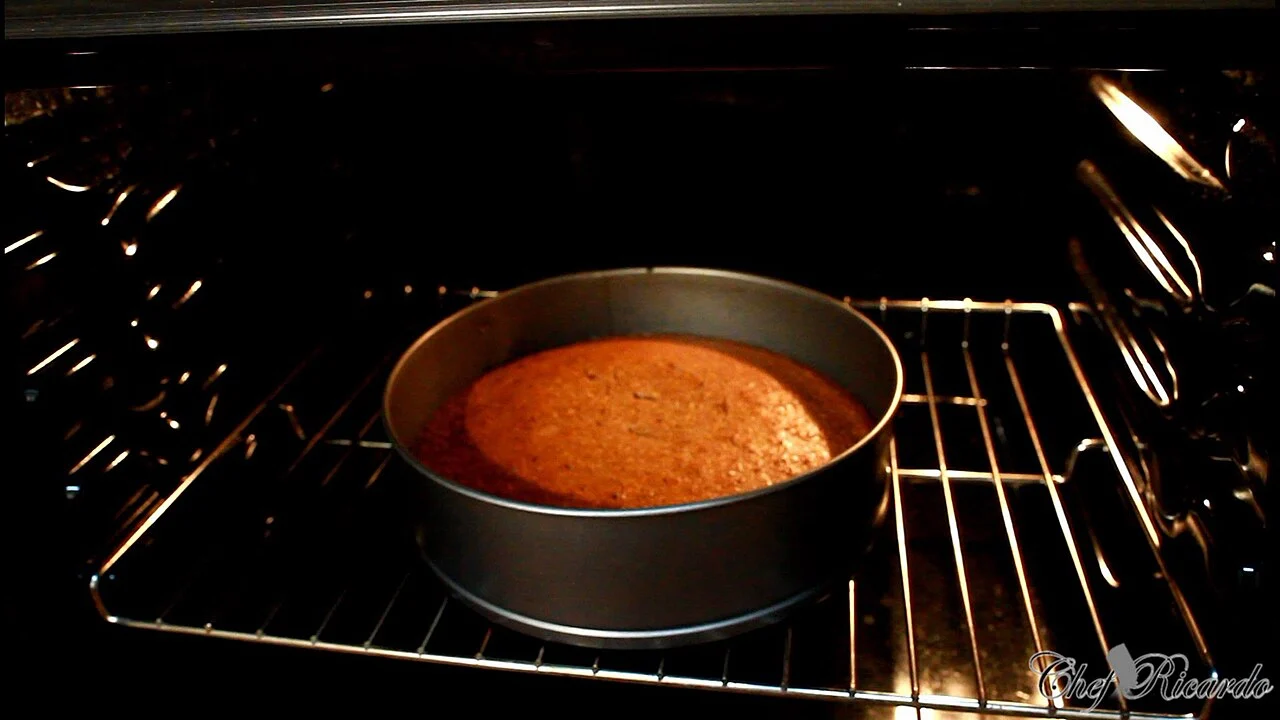
Besides methods that use a rectangular pan, there are also confectioners who recall buying small totos at school, made by dropping the batter one portion at a time. The recipe of the Jamaica Cultural Development Commission uses milk, while the version by Linda Burrell, who interviewed Caribbean families, uses coconut milk. Even though grated flesh is common to them, the shape of a piece and the liquid that moistens the flour vary.
The Edge and Center of a Loaf, and the Small Individual Piece
When a whole batch of batter is put into a loaf pan and baked, a continuous baked surface forms on the outside. When the loaf is cut, a middle slice shows two soft cut faces, while an end slice keeps a baked side on one face. In a form where the batter is divided into equally small portions before it is cooked, the bites in which the teeth meet browned areas differ.
In 2015, The Gleaner spoke with Shirley, who bakes and sells sweets in Cheesefield, while she waited for freshly baked toto. She recalls that when she went to school she did not buy toto sold in slices; she bought a single toto made by dropping the batter like a fritter.
The description of dropping conveys that the batter of the time was portioned out one piece at a time. It does not, by itself, tell us whether the pieces were fried or what heat source was used. The stage at which one portion is made differs from the procedure of baking a large loaf and then cutting it.
The historian B. W. Higman described twentieth-century Jamaican toto as a sweet about 7 cm in diameter, some of it square. He gives the names toto, tuoto and To-To Bulla, and mentions wheat flour, brown sugar, grated coconut, two kinds of leavening agent and coconut milk.
This is a description of a size close to Shirley’s recollection of a small single piece, but it is not a figure measured from what she bought at school. Small rounds, squares and sliced loaves each appear in the sources.
Scattering Grated Flesh into the Flour, Then Adding Milk or Coconut Milk
In the toto formula in the Jamaica Cultural Development Commission’s culinary handbook, 8 ounces of grated coconut go in for 12 ounces of flour. Baking powder and baking soda are sifted together with the flour.
Beaten eggs, brown sugar, molasses, mixed spice, grated coconut and melted margarine are added, then milk, and everything is mixed together. Because the amount of flesh is large relative to the flour, and fine shreds of it are scattered through all the batter that goes into the pan, the texture of coconut remains even after the toto is baked and cut into pieces.
The same handbook instructs the cook not to overmix after combining with the milk. The batter goes into a greased loaf pan and is baked at 180 degrees for about 45 minutes as a guide. The recipe yields 10 to 12 pieces from one loaf.
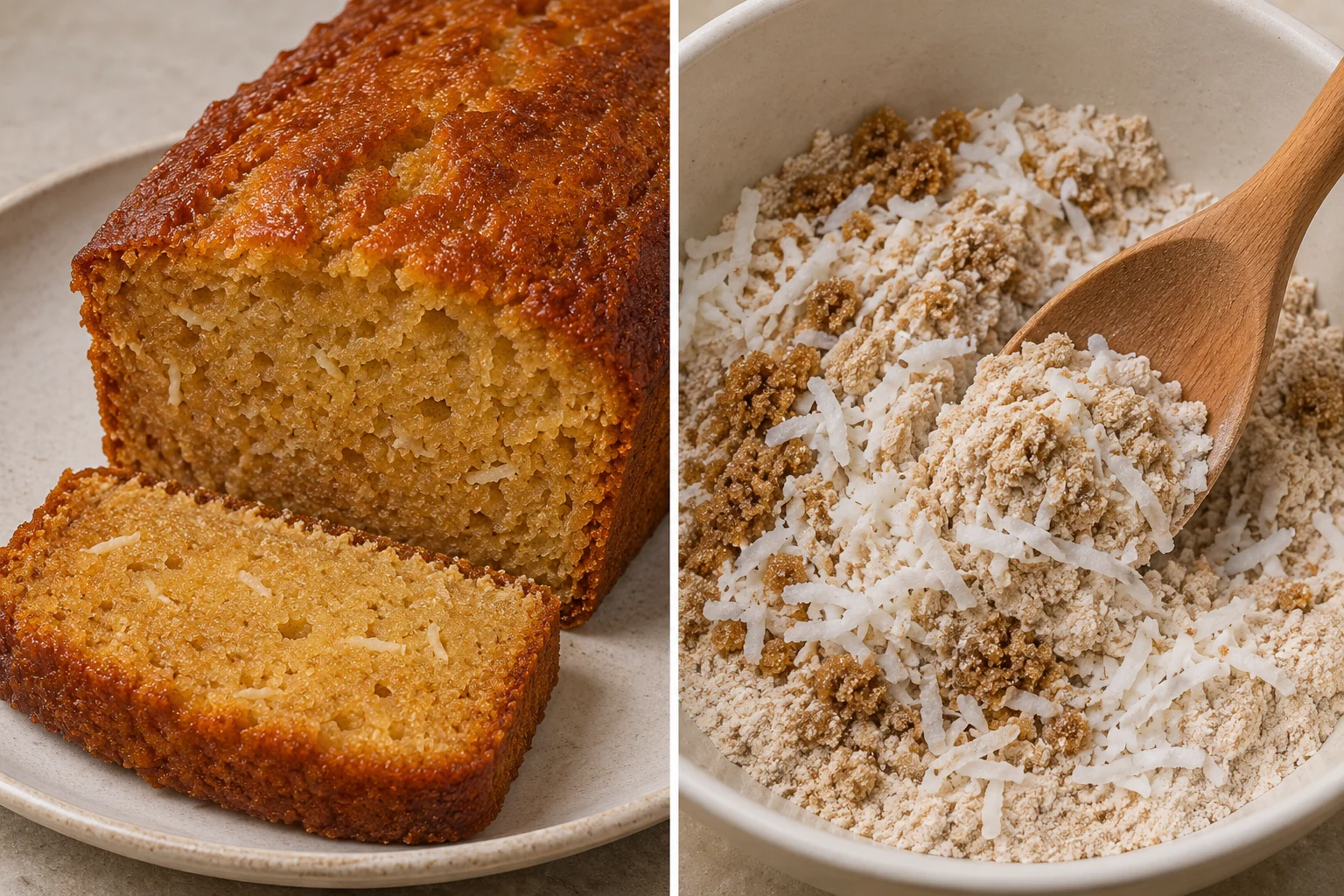
The household formula that Linda Burrell publishes through Museumand’s activities calls for 4 cups of flour to 2 cups of grated coconut. Nutmeg and grated ginger go in along with the brown sugar and mixed spice. The flesh goes to the flour side, and the coconut milk to the liquid side. Coconut is used both for the fiber you notice in chewing and for the liquid that moistens the batter.
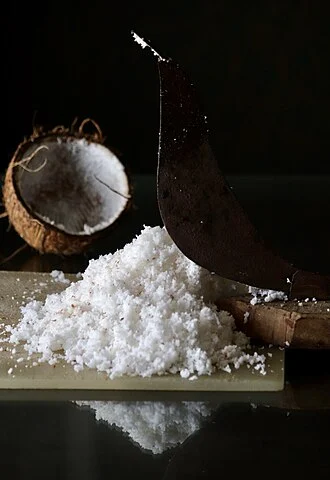
On the liquid side, melted margarine and vanilla go in along with the coconut milk. The batter is made by combining the separately prepared liquid with the flesh that was mixed into the flour beforehand.
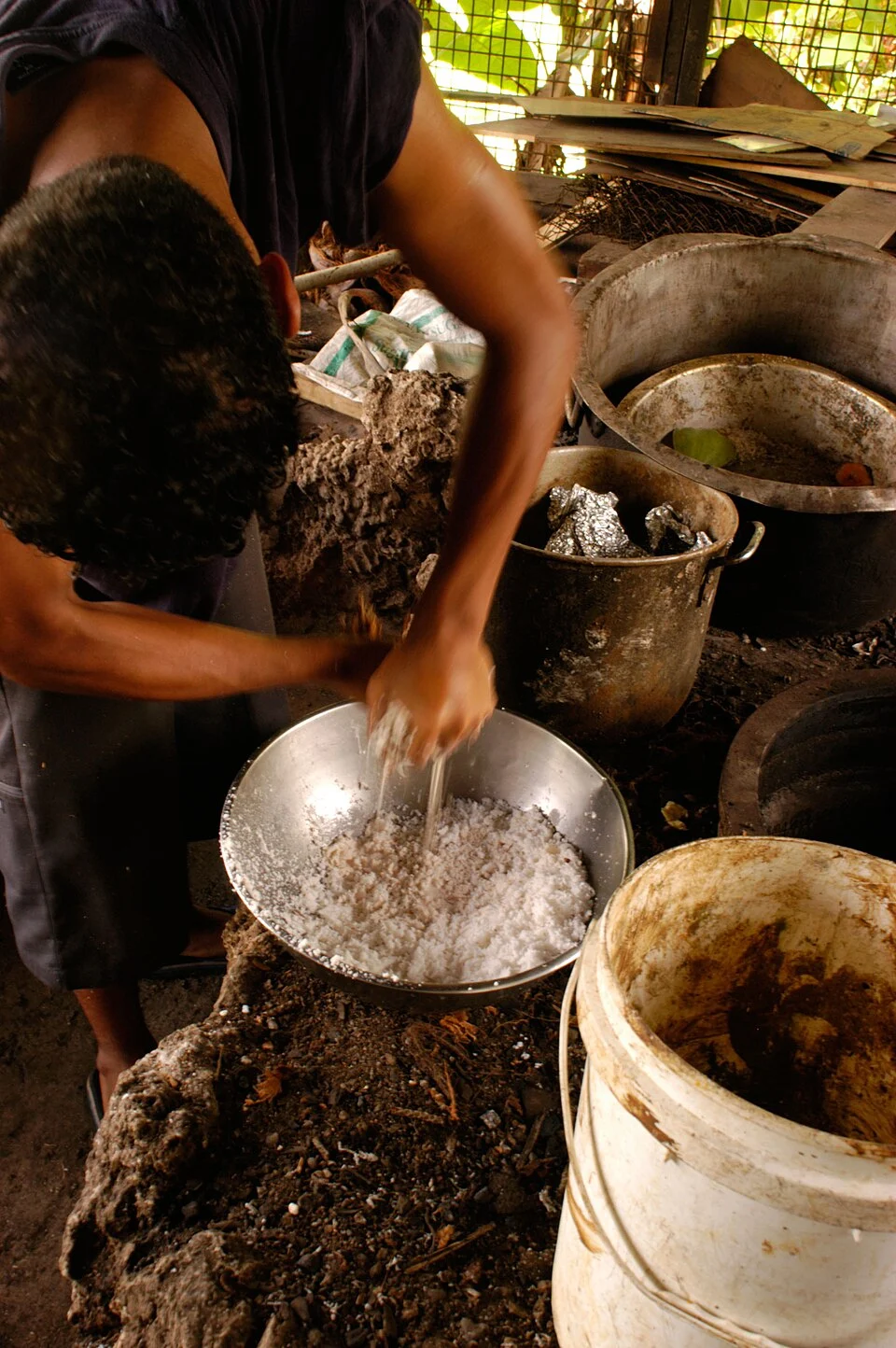
In Burrell’s formula, whether to add eggs, raisins, red wine or white rum is optional. The liquid ingredients and the flour ingredients are prepared separately and lightly combined, then baked at 350°F for about 30 minutes as a guide. Doneness is checked by the state of a blade inserted in the center and by the browning of the surface, and the toto is cooled and cut.
The Commission lists eggs and milk among the ingredients and includes the taste of molasses. In Burrell’s version, the coconut liquid is added, along with the aroma of liquor if it is used, and if raisins are chosen, soft grains distinct from the flesh remain in the cut face.
In the formula Grace Reynolds published in 2006, butter and sugar are creamed together, and eggs and vanilla are added. Sifted flour and grated flesh are added alternately with evaporated milk.
The Commission’s formula combines melted margarine with the other ingredients and adds milk afterward. Evaporated milk is milk that has been concentrated; in Reynolds’s version it is added alternately with the flour, so both the procedure for mixing the batter and the richness of the dairy change.
Reynolds spreads the batter evenly in a shallow pan of about 20 cm by 30 cm and bakes it at 400°F for about 30 minutes. Because the batter is spread in a flatter pan than in the loaf versions, the ratio of top surface to interior changes even when it is cut into pieces in the same way. The temperatures given by the handbook and by Burrell, and the temperature given by Reynolds, are each instructions tied to that version’s own pan and formula. If a version in which the batter is spread thinly were moved to a deep pan, the center would not necessarily bake through in the same time.
Bulla, and How It Differs from Sugar Sweets Set in a Pot
Frederic Cassidy, who studied the Jamaican language, says in Jamaica Talk that toto is similar to bulla, that it contains grated coconut, and that it is smaller and finer-grained than bulla. The first edition dates from 1961.
The glossary of the Commission describes bulla as a flat, round sweet made with flour, molasses and baking soda. Even where formulas overlap in using flour and molasses, if grated flesh goes into the batter, the fibers visible in the cut face and the aroma when chewed differ.
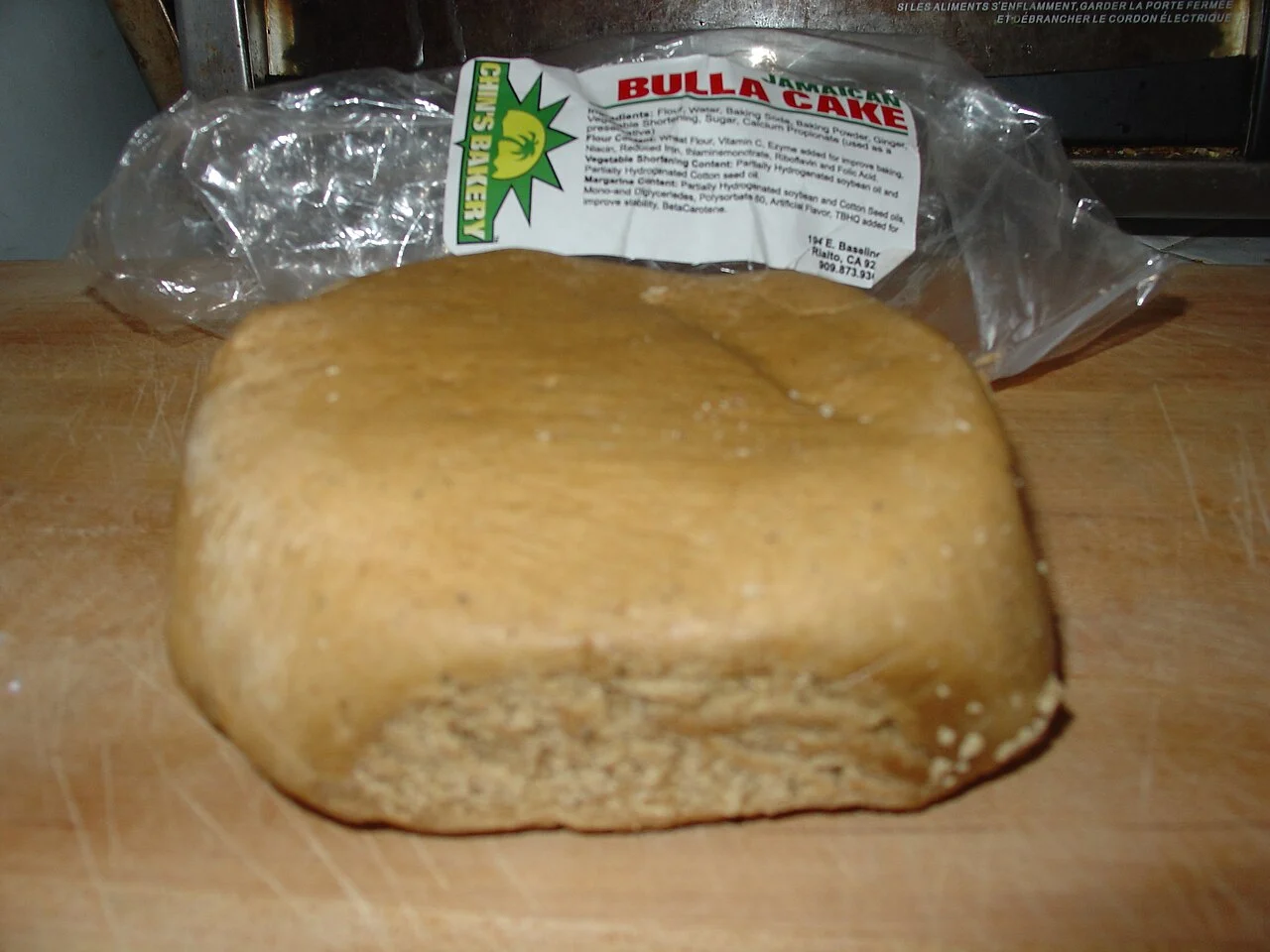
Cassidy also touches on sugar sweets whose form differs according to whether the coconut is cut finely or grated. Among those called coconut drops, there are examples in which angular pieces of flesh are boiled with sugar and dropped by the spoonful. For grater cake, there are examples that use grated flesh, spread it in a flat container and cut it into rectangles.
Toto, in which a flour batter is poured into a pan and baked, has its flesh surrounded by baked batter, even though the grating and the cutting into pieces are similar. It differs from a sweet thickened with sugar in a pot in the place where the teeth first go in.
Higman states that the shapes of bulla became more varied in the latter half of the twentieth century and that in the 1990s it was increasingly confused with toto. Among the sources he consulted is a version of small toto that uses both baking powder and baking soda.
The Commission’s current materials include a loaf that uses the same two agents, while Burrell’s formula lists only one kind, baking powder. Which leavening agent is used and which shape is made are not decided in the same way by every maker.
From School Purchases to Home Orders and Carrying Toto Back
Besides toto, Shirley also makes coconut drops, grater cake, peanut sweets and potato pudding. In the interview, she says she obtains dried coconuts from neighbors and from the market in Linstead. Depending on the item, grated flesh or the milk extracted from it is used.
For someone who sells several sweets together in a basket, coconut is an ingredient that figures in many kinds of preparation. Among them, toto differs from sweets in which flesh and sugar are set in a pot: the flesh goes into a flour batter and is baked.
According to the same interview, she takes orders and also sells by walking around the neighborhood on Mondays and Fridays. People who have come back from abroad sometimes take toto and other sweets back with them.
The story of buying toto one piece at a time at school and the story of selling it at the time of the interview put the eater and the maker in different positions. In both scenes it is a sweet that one person can carry, but the interview article does not say that the item sold at school and her present sweets share the same formula or shape.
Burrell recalls that her maternal and paternal grandmothers came from St Kitts and Jamaica, and that they cooked without using measuring tools much. Her version gives amounts in cups and teaspoons and makes the eggs and liquor optional. It can be read as a formula written so that it can be reproduced in another kitchen while learning techniques handed down in the family.
There is no basis for treating this as a formula common to households in St Kitts. Specifying even which spices go in and which liquid is poured is one method that Burrell introduced.
The writer Paul Mendez, in an interview about a scene in his novel, talks about a character who remembers learning from his mother in Jamaica how to make toto. In the setting, toto was baked in a house with children, and the sweet calls up memories of the mother’s kitchen.
The novel and the author’s explanation are one example of how readers at the time of publication encounter toto as a family food. The nature of the source differs from a shopping recollection such as Shirley’s interview, but in both, toto appears as food passed from person to person in everyday life.
Burrell also mentions eating toto as it is, or serving it with ice cream or fruit purée. When a baked piece mixed with grated coconut is eaten as it is, the texture of the batter and the flesh comes through unchanged.
When a cold dairy sweet or fruit is served alongside, the amount mixed into each bite can be varied. In the basic preparation of toto, the step of mixing the flesh into the flour and the step of adding another sweetness after the toto is plated are separate, and versions without an accompaniment also remain in culinary sources.
The Story of Coals Above and Below, and the Name as It Survives in Print
An article The Gleaner published in 2015 relates the story that enslaved people, to stave off hunger, combined coconut, molasses and flour and baked it with fire below and coals placed on top as well. Burrell also tells a similar tradition at Museumand and writes that the method of applying heat from above and below was used for sweet potato pudding and other dishes too.
The method of placing heat on the lid and under the pot conveys a way of applying heat different from present-day oven recipes. The sources that wrote down the tradition are all later ones, and their time of composition differs from that of the pages on which the name toto or a formula was recorded at the time.
Higman states that toto seems to have emerged in the twentieth century. That judgment and the makers’ tradition that it was baked from the era of slavery differ in the evidence they rest on and in their content.
What can be confirmed in Cassidy’s work, first published in 1961, is that the name of a sweet containing grated coconut is recorded and that it was compared with bulla. The names and the characteristics of the sweet treated there can be verified, but where the first household pot or pan stood cannot be decided from the sources that can be confirmed at present.
Regarding the origin of the word, Cassidy also cites a comparison with a Fante word said to refer to something baked. This is a theory put forward by an author who studied the language.
That similar-sounding words exist, that coconut sweets are called by this name in Jamaica, and when the ingredients and the baking method came together each require separate sources. Higman’s spellings also include tuoto, and in present-day culinary sources and newspapers, actual versions can be confirmed under the spelling toto.
Glossary
- Toto (toto, tuoto)
- A Jamaican sweet baked with grated coconut in the batter.
- Bulla (bulla)
- A flat sweet made with flour, molasses and baking soda. It is compared with toto in older sources on the language.
- Molasses (molasses)
- The thick sugar syrup left over from the sugar-making process. In this article, it flavors the batter.
- Coconut milk (coconut milk)
- The liquid extracted from coconut flesh. Burrell’s version in this article uses it together with grated flesh.


